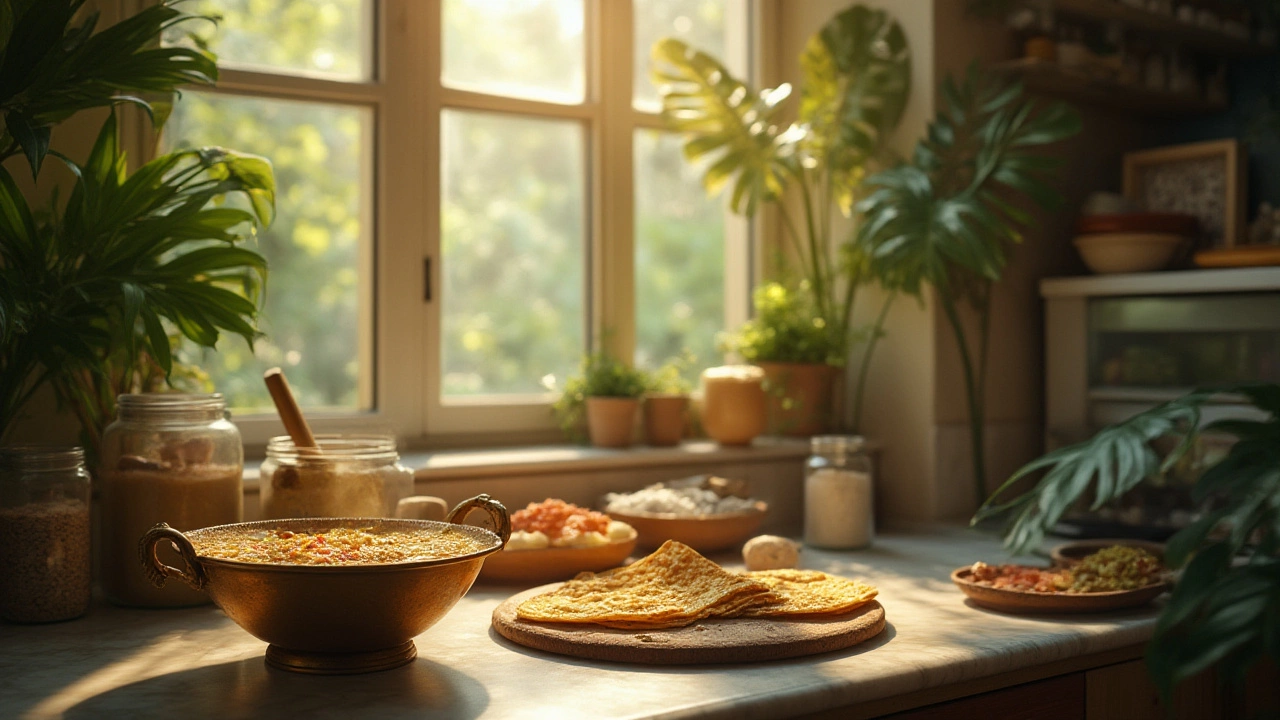
How Long Does Homemade Dosa Batter Last in the Fridge: Freshness, Spoilage, and Storage Tips
Unsure how long homemade dosa batter lasts? Discover fridge shelf life, easy spoilage signs, smart storage tricks, and what makes batter turn bad.
When you make dosa batter, a fermented mixture of rice and urad dal used to make crispy South Indian pancakes. It's not just a recipe—it's a living culture that needs the right conditions to thrive. The shelf life of dosa batter isn’t fixed. It depends on temperature, ingredients, and how you store it. Left at room temperature in a warm kitchen, it can go sour in 12 hours—or turn slimy and unsafe. But if you refrigerate it right, it can stay usable for up to a week.
What makes dosa batter last longer isn’t just the fridge—it’s the urad dal, a protein-rich lentil that ferments easily and gives dosa its fluff. The fermentation process feeds on natural sugars, producing gas that makes the batter rise. But once the food source runs low, bad bacteria move in. That’s why old batter smells sour, not tangy, and feels sticky instead of bubbly. If you see mold, green or gray spots, or a sharp alcohol smell, throw it out. No amount of stirring will fix it.
Storing dosa batter right is simple. Always use a clean, non-metal container—glass or food-grade plastic works best. Cover it loosely with a lid or cloth to let air in but keep dust out. Refrigeration slows fermentation, so your batter stays active but safe. Don’t freeze it—ice crystals break the delicate microbial structure, and you’ll lose texture. If you make batter in bulk, portion it into smaller jars. That way, you only take out what you need, and the rest stays protected.
Some people swear by adding a pinch of fenugreek seeds or a teaspoon of cooked rice to the batter before soaking. It helps fermentation start faster and keeps the batter stable longer. It’s not magic—it’s science. The extra starch gives good bacteria a head start, and the fenugreek has natural antimicrobial properties that keep the bad ones at bay.
Temperature matters more than you think. In winter, when kitchens are cold, batter might take 12–18 hours to ferment. In summer, it could be ready in 6. That’s why the same recipe behaves differently in Delhi versus Bangalore. If your batter doesn’t rise, don’t panic. Move it to a warm spot—near the stove, in an oven with the light on, or wrapped in a towel. Patience beats additives.
And here’s something most guides miss: refrigerated dosa batter, fermented batter stored at 4°C or below doesn’t go bad the moment the clock hits 7 days. It just gets less active. You can still use it after a week—just stir it well, add a splash of water, and let it sit at room temperature for an hour before cooking. It won’t puff like fresh batter, but it’ll still make tasty, crisp dosas.
Don’t treat batter like milk that expires on a label. It’s alive. It talks to you—if you know how to listen. The bubbles, the smell, the rise—they’re all clues. Learn them, and you’ll never waste batter again.
Below, you’ll find real, tested tips from people who make dosa batter every day—how to fix over-fermented batter, why some batches don’t rise, and what to do when you’ve made too much. No fluff. Just what works.
Unsure how long homemade dosa batter lasts? Discover fridge shelf life, easy spoilage signs, smart storage tricks, and what makes batter turn bad.