Dosa Batter: How to Get It Right Every Time
When you think of a perfect dosa batter, a fermented rice and urad dal mixture used to make thin, crispy Indian crepes. Also known as dosa batter mix, it’s not just a recipe—it’s a living process that changes with temperature, time, and technique. Get it wrong, and your dosa turns rubbery or flat. Get it right, and it crisps up at the edges, puffs slightly in the center, and soaks up chutney like magic.
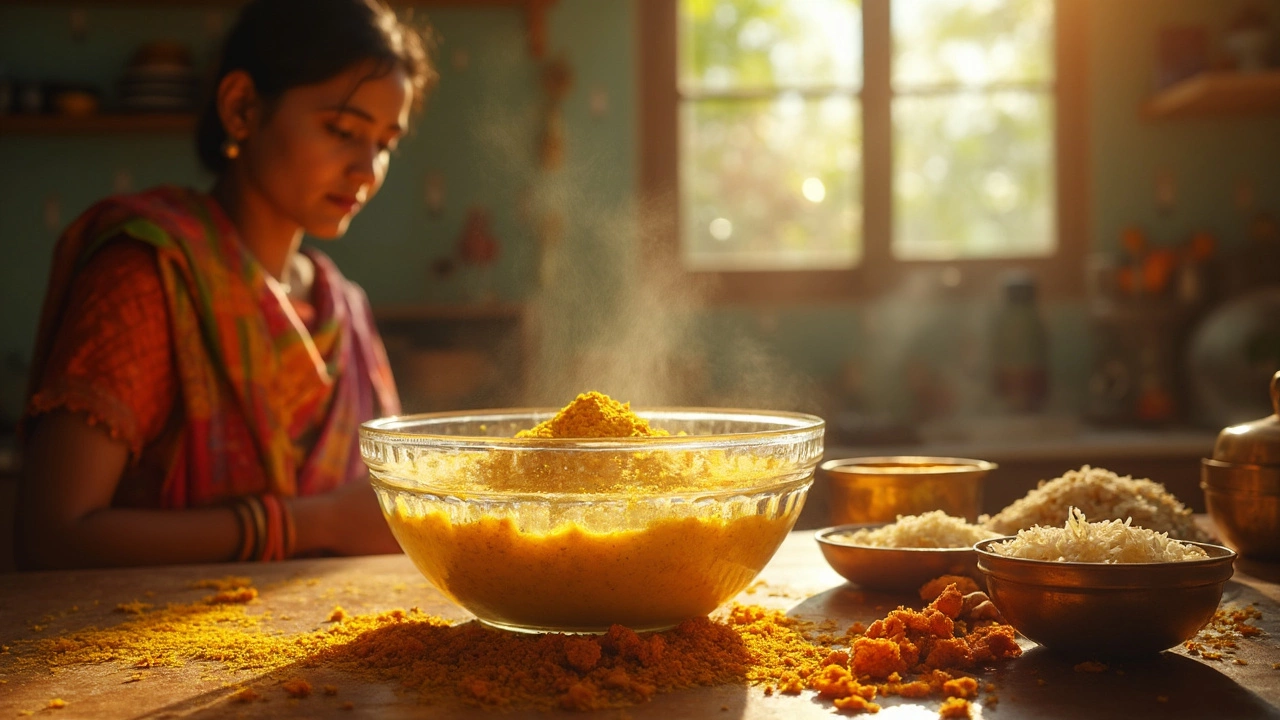
The secret starts with urad dal, black gram lentils that ferment easily and give dosa batter its airy texture. You can’t substitute it with any other dal. It needs to be soaked for 6 to 8 hours—no less, no more. Too short, and the batter won’t rise. Too long, and it turns slimy. Then comes rice, usually idli rice or parboiled rice, ground fine but not paste-like. The ratio? Roughly 1 part urad dal to 3 parts rice. Mix them, let them sit overnight, and the magic happens: bacteria do the work, turning starch into gas, making the batter light and bubbly.
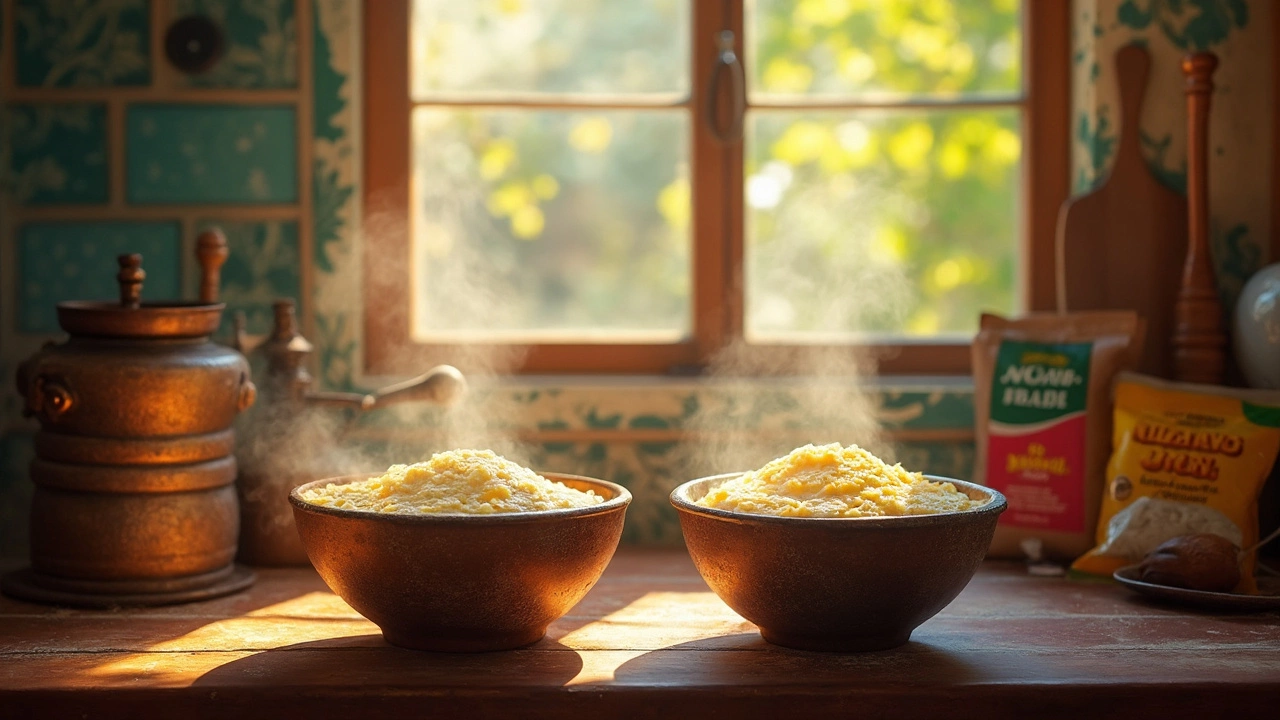
Temperature matters more than you think. In winter, wrap the batter in a towel and keep it near a warm stove. In summer, a kitchen counter is enough. Humidity? It helps. Dry air? It kills fermentation. That’s why many South Indian households use clay pots—they breathe, they regulate moisture, and they keep the batter alive. And don’t stir it after fermentation. Gently fold it. Overmixing collapses the bubbles you worked so hard to grow.
People think dosa batter is just about ingredients. It’s not. It’s about rhythm. The rhythm of soaking, grinding, waiting, and tasting. It’s why restaurant dosas taste different—they ferment in controlled batches, often for 12 to 18 hours. Home cooks rush it. That’s why their dosas stick or stay soft.
You’ll find posts here that break down exactly how long to soak urad dal, what water temperature affects fermentation, and how to fix sour or flat batter. You’ll also see how this batter connects to idli, appam, and even fermented rice snacks across India. It’s not just a breakfast base—it’s the foundation of a whole culinary tradition. And if you’ve ever stared at a bowl of batter wondering why it didn’t rise, you’re not alone. The answers are here, no fluff, no theory—just what works.