Dal Nutrition: Protein, Fiber, and Health Benefits of Indian Lentils
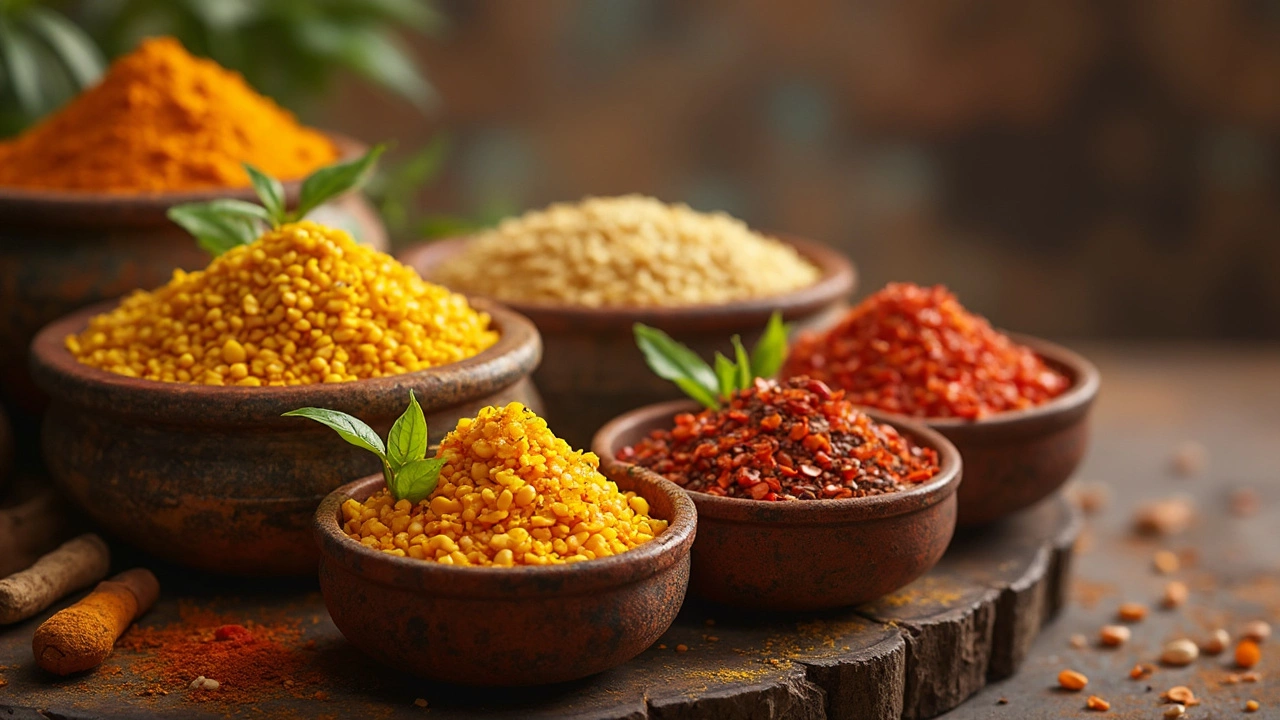
When you think of dal, a staple legume in Indian cuisine made from dried, split pulses like lentils, chickpeas, or mung beans. Also known as lentils, it's one of the most consistent sources of plant-based protein across India. Millions eat dal every day—not because it’s traditional, but because it works. It fills you up, keeps blood sugar steady, and gives you energy without the crash. Unlike processed snacks or even white rice, dal delivers real nutrition you can feel.
What makes dal so powerful? It’s the combo: high protein, a key building block for muscles, enzymes, and immune function, found in abundance in all types of Indian dals, plus fiber, the indigestible plant material that slows digestion, feeds good gut bacteria, and helps control cholesterol. A single cup of cooked toor dal has about 12 grams of protein and 15 grams of fiber. That’s more than a serving of chicken breast, without the fat or cholesterol. And it’s not just protein and fiber—dal is loaded with iron, magnesium, folate, and B vitamins. These aren’t just numbers on a label. They’re what keep women from anemia, help kids grow, and let farmers and factory workers power through long days.
There’s a reason dals like urad, chana, and masoor show up in nearly every Indian home. They’re cheap, shelf-stable, and cook fast—even without fancy equipment. You don’t need supplements when you’re eating dal with rice or roti. The combo gives you complete protein, something most plant foods lack on their own. And unlike protein powders, dal comes with fiber, antioxidants, and phytonutrients that science is still catching up to. It’s not a trend. It’s a system that’s lasted thousands of years because it actually keeps people healthy.
What you’ll find below aren’t just recipes or tips—they’re real, practical insights from people who live with dal every day. From how soaking affects digestibility to why some dals make better batter than others, these posts cut through the noise. You’ll learn exactly how to get the most nutrition out of your dal, avoid common mistakes, and understand why it’s not just food—it’s medicine in a bowl.