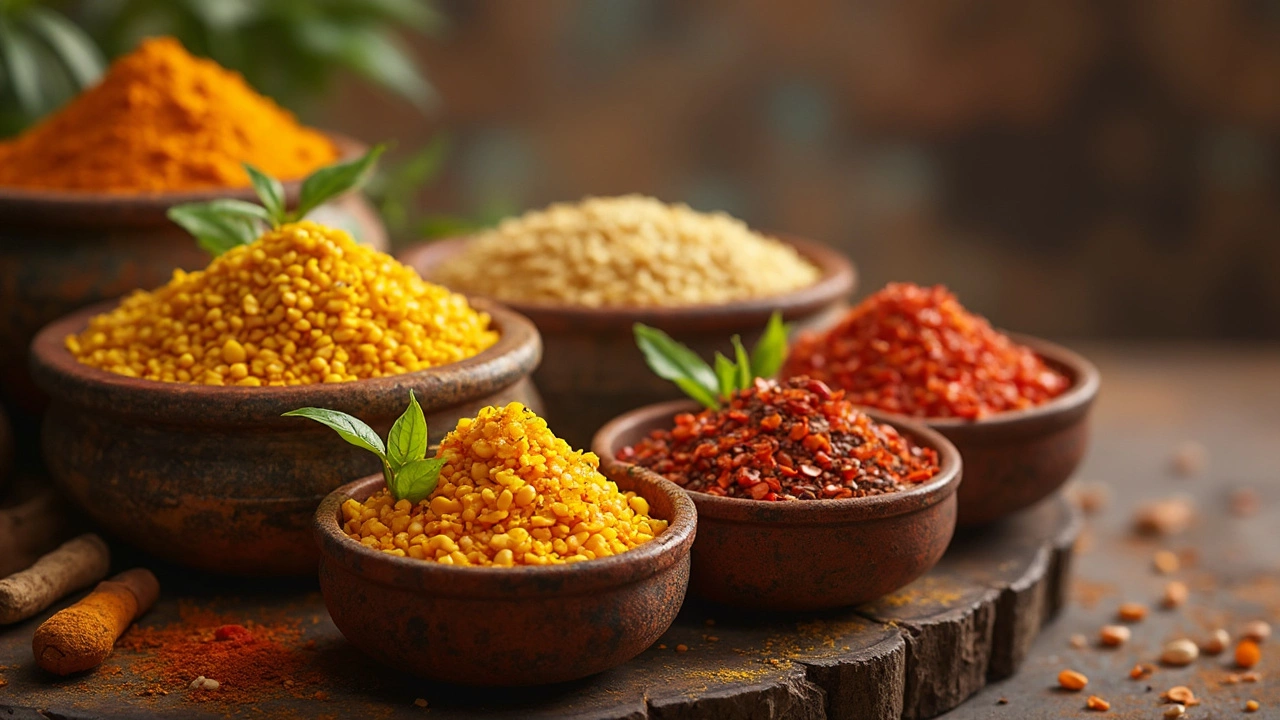
Dal Health Benefits: Why Lentils Are a Powerhouse for Indian Diets
When you think of dal, a staple legume in Indian cooking made from split pulses like urad, chana, or masoor. Also known as lentils, it's not just comfort food—it's medicine in a bowl. Every region in India relies on dal for daily nutrition, and science backs it up: these humble legumes are packed with plant-based protein, fiber, iron, and B vitamins that keep energy levels steady and digestion smooth. Unlike processed snacks or refined carbs, dal digests slowly, helping control blood sugar spikes—something millions of Indian households depend on, especially with rising diabetes rates.
Not all dal is the same. urad dal, the black lentil used in dosa and idli batter, is rich in magnesium and folate, helping with nerve function and red blood cell production. chana dal, the split chickpea often turned into savory snacks or curries, delivers slow-burning carbs and zinc, which supports immunity and skin health. And masoor dal, the red lentil that cooks fast and turns creamy, is one of the easiest to digest, making it ideal for kids, elders, and anyone with sensitive stomachs. These aren’t just ingredients—they’re functional foods that work differently in your body based on their type.
So why do Indian families eat dal every single day? It’s not tradition alone. The combination of dal and rice or roti creates a complete protein profile, something even many vegans struggle to get from single sources. Add a pinch of turmeric or cumin during cooking, and you’re boosting anti-inflammatory effects. No supplements needed. No fancy superfoods. Just simple, affordable, and deeply rooted practices that science now confirms are among the smartest dietary choices you can make.
If you’ve ever wondered why your grandmother insisted on soaking urad dal overnight or why restaurant curries never skip the dal base, it’s because the benefits go deeper than flavor. You’ll find posts here that break down exactly how much dal you need to make paneer, why soaking matters for digestion, how different dals affect fermentation, and what real nutrition looks like when you skip the processed stuff. This isn’t about trends. It’s about what works—day after day, across kitchens from Mumbai to Patna.