Curry Spices: The Real Ingredients Behind India's Most Beloved Flavors
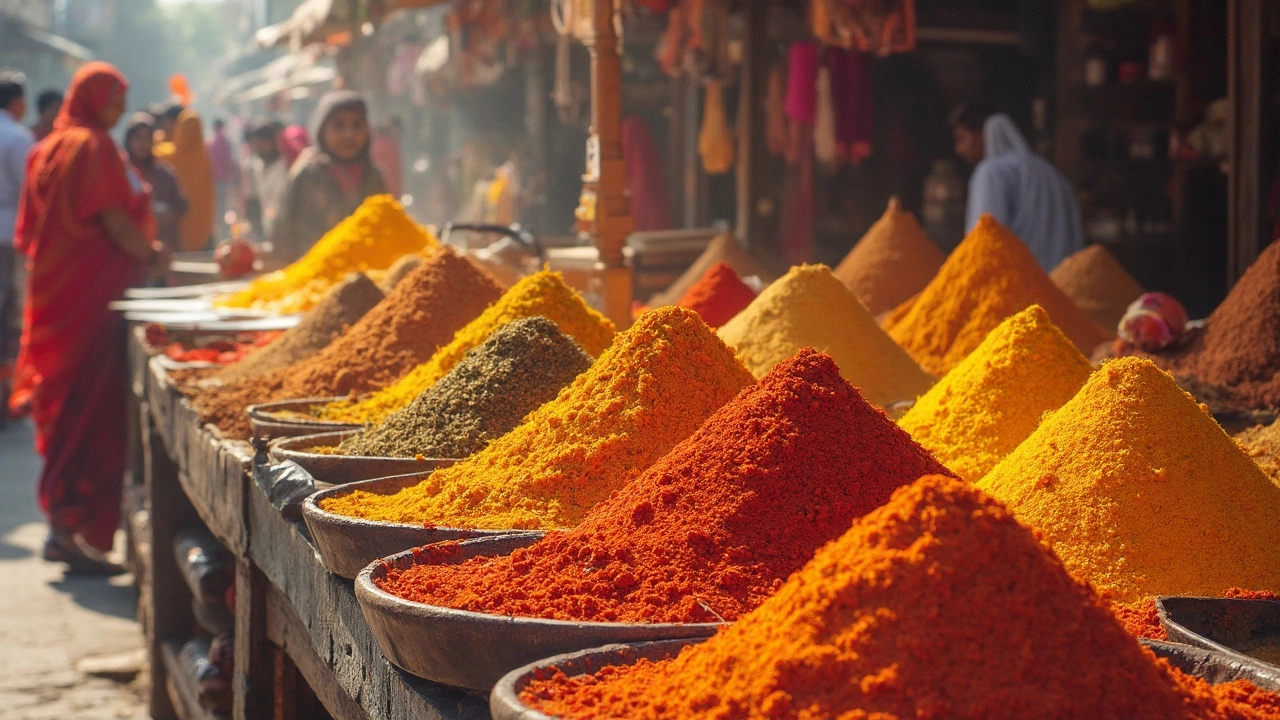
When you think of curry spices, a dynamic mix of ground seeds, roots, and pods used to build deep, layered flavor in Indian cooking. Also known as masala, it’s not a single spice but a living tradition passed down through generations of home cooks and restaurant chefs. This isn’t just about heat—it’s about balance. The right blend of cumin, coriander, turmeric, and chili can turn plain chicken or lentils into something that lingers on your tongue long after the meal is over.
What most people don’t realize is that curry spices, are often toasted, ground fresh, and added at specific times during cooking to unlock their full potential. A pinch of mustard seed sizzled in hot oil releases a nutty aroma. Ground fenugreek adds bitterness that balances sweetness. Asafoetida, though pungent raw, melts into the background and deepens the whole dish. These aren’t random additions—they’re deliberate moves in a culinary dance that’s been choreographed for centuries.
And it’s not just about the spices themselves. curry base, the slow-cooked foundation of onions, tomatoes, and garlic (or ginger, when garlic is avoided). Also known as masala paste, it’s what gives restaurant-style curries their thickness and richness without cream or flour. That’s why the same spice mix can taste completely different in two kitchens—it’s not the powder, it’s how it’s treated. Time, heat, and technique matter more than the label on the jar.
Some of the most powerful Indian spices, like black cardamom, kalonji, and tej patta. Also known as whole spices, are rarely ground—they’re fried in oil first to release oils and aromas that ground versions can’t match. You’ll find them in biryanis, dals, and meat curries across North India. In the South, you’ll see more dried red chilies, curry leaves, and coconut. The map of Indian spice use is as varied as its languages.
There’s a reason you can’t replicate a good curry with pre-mixed packets. Store-bought blends lose their punch fast. Freshly ground spices smell like earth after rain—bright, sharp, alive. That’s why home cooks in India still use manual grinders. It’s not nostalgia—it’s science. The oils in spices evaporate when exposed to air. Once ground, they start fading within days. That’s why the best curries are made with spices ground just before cooking.
And then there’s the heat. Not all chili is the same. Kashmiri chilies give color without fire. Green chilies bring sharpness. Bird’s eye chilies? They’ll make you sweat. The real trick isn’t adding more chili—it’s layering different kinds to build complexity. That’s what separates a spicy curry from a memorable one.
Below, you’ll find real guides from people who cook this way every day. No theory. No fluff. Just how to make thick curry, why soaking paneer matters, what actually goes into biryani masala, and why some curries don’t use garlic at all. These aren’t recipes you’ll find on Instagram—they’re the ones passed down in kitchens across India, tested by time, not trends.