Curry Recipe: How Indian Kitchens Make Thick, Flavorful Curries
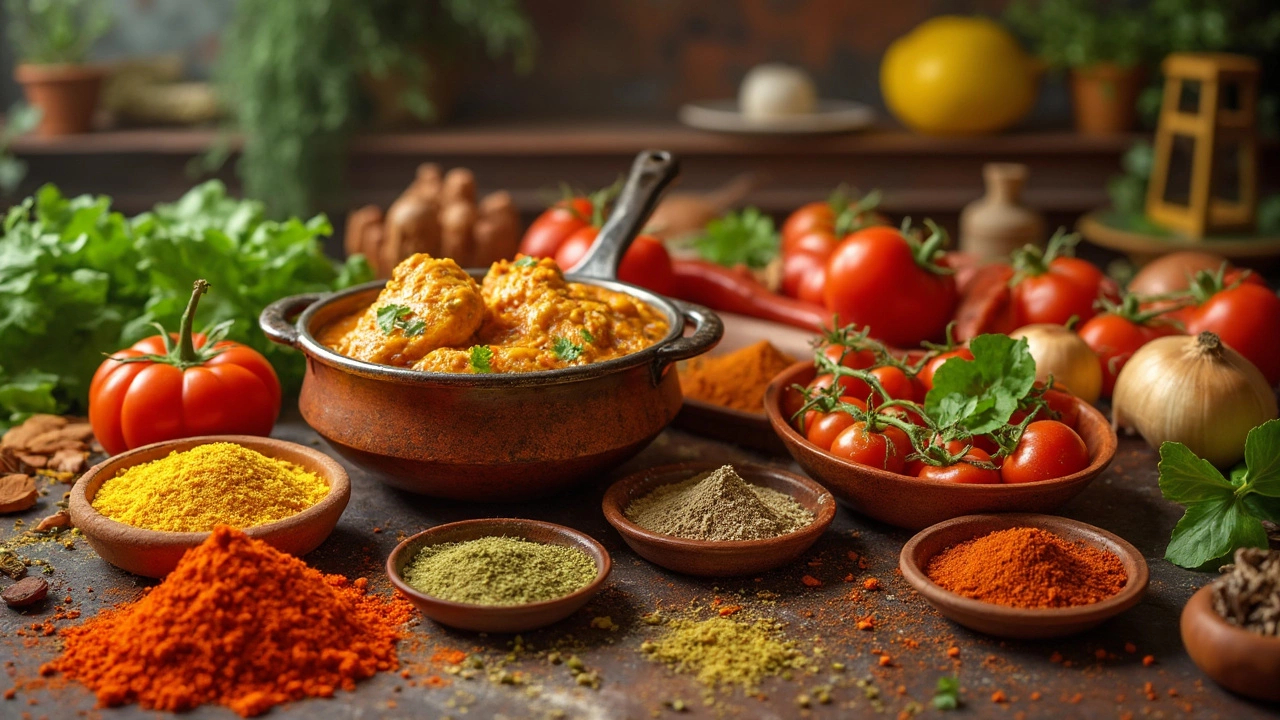
When you think of a curry recipe, a spiced, simmered dish with meat, vegetables, or legumes in a thick sauce, often associated with Indian and South Asian cooking. Also known as curry dish, it's not just about tossing spices into a pot—it's about building layers over time. A true curry recipe doesn’t rely on cream, flour, or cornstarch to thicken. Instead, it uses slow-cooked onions, tomatoes, and spices that break down into a rich, velvety base. This isn’t magic—it’s technique. And it’s the same method used in homes and restaurants across India, from Mumbai street stalls to family kitchens in Kerala.
What makes a curry recipe stand out isn’t just heat—it’s depth. The curry spices, a blend of ground seeds, roots, and pods like cumin, coriander, turmeric, and chili, often toasted and ground fresh are added at different stages to release their oils and aromas. Then comes the curry thickening, the process of reducing liquid through long simmering, blending cooked ingredients into a paste, and letting the sauce cling to the solids. This is why restaurant curries feel so heavy and satisfying—they’ve been cooking for over an hour, not five minutes. No shortcuts. No tricks. Just patience and heat.
And it’s not just about texture. The best curry recipes balance spice, acidity, and sweetness. A squeeze of lemon, a pinch of jaggery, or a dash of tamarind can turn a flat dish into something alive. You’ll find these details in the posts below—how onions are caramelized to perfection, why blending the base matters more than adding cream, and how the same curry can taste completely different in Punjab versus Tamil Nadu.
What you’ll find here aren’t just recipes. You’ll see the science behind the sizzle, the why behind the simmer, and the real secrets that make Indian curries stick to your memory—and your spoon.