Curry Ingredients: What Makes Indian Curries Taste Like Home
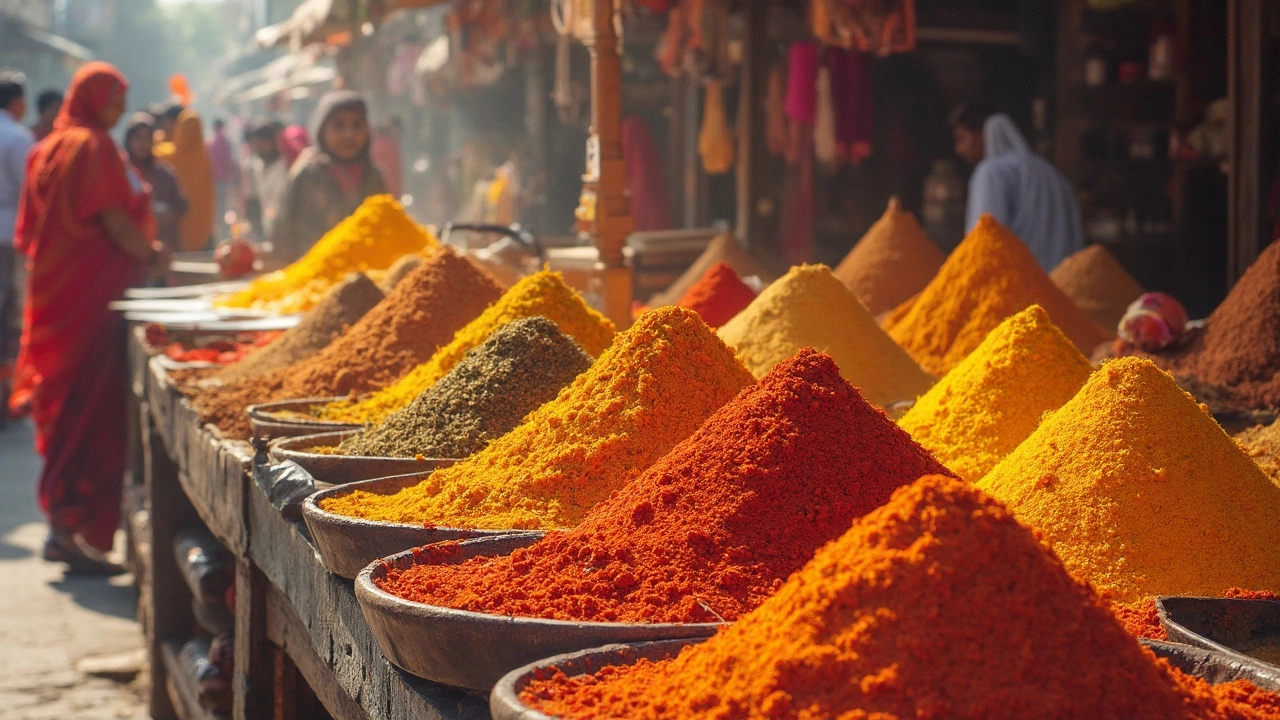
When you think of curry ingredients, the blend of spices, aromatics, and base ingredients that define Indian curries. Also known as curry spice mix, it isn't one single powder—it's a living system of flavors built layer by layer in every kitchen across India. This isn’t magic. It’s technique. Every curry starts with something basic: onions, garlic, ginger, tomatoes. But what turns that into something unforgettable? It’s the turmeric, a bright yellow spice with earthy warmth and anti-inflammatory properties, foundational to almost every Indian curry. Then there’s cumin, a seed that toasts into smoky depth, used whole or ground, and often the first thing added to hot oil. These aren’t just seasonings—they’re the backbone.
Curry ingredients don’t stop at spices. The base matters just as much. Indian restaurants make thick curries not by adding flour or cream, but by slowly cooking onions until they melt into a jam, then blending them with tomatoes and spices. That’s the real secret. The heat comes from dried red chilies or fresh green ones, not just powdered chili. And then there’s asafoetida, a pungent resin used in tiny amounts to replace garlic and onion in many home kitchens, especially in Jain and Vaishnav communities. It smells strong raw, but cooks into something deeply savory. You’ll find it in the same spice rack as coriander powder, a citrusy, earthy spice made from ground seeds, used to balance heat and add body. These ingredients work together—not as a list, but as a conversation.
Some people think curry is just spicy. It’s not. It’s about balance. Sweetness from caramelized onions, acidity from tomatoes or tamarind, bitterness from fenugreek leaves, and warmth from cardamom or cinnamon. Even the oil matters—mustard oil in Bengal, coconut oil in Kerala. Every region has its own version, but the core principles stay the same: toast the spices, build the base, simmer slow. That’s why you can’t rush a good curry. And that’s why the same ingredients, used differently, can make a dish that’s comforting, fiery, or complex—all in one pot.
What you’ll find below are real, practical guides from Indian kitchens—how to make curry thick without cream, which spices actually make a difference, how to fix bland curry, and why soaking paneer before adding it to sauce matters. No fluff. Just the ingredients, the methods, and the why behind them.