Curry Essentials: Spice Blends, Techniques, and Secrets Behind Authentic Indian Curries
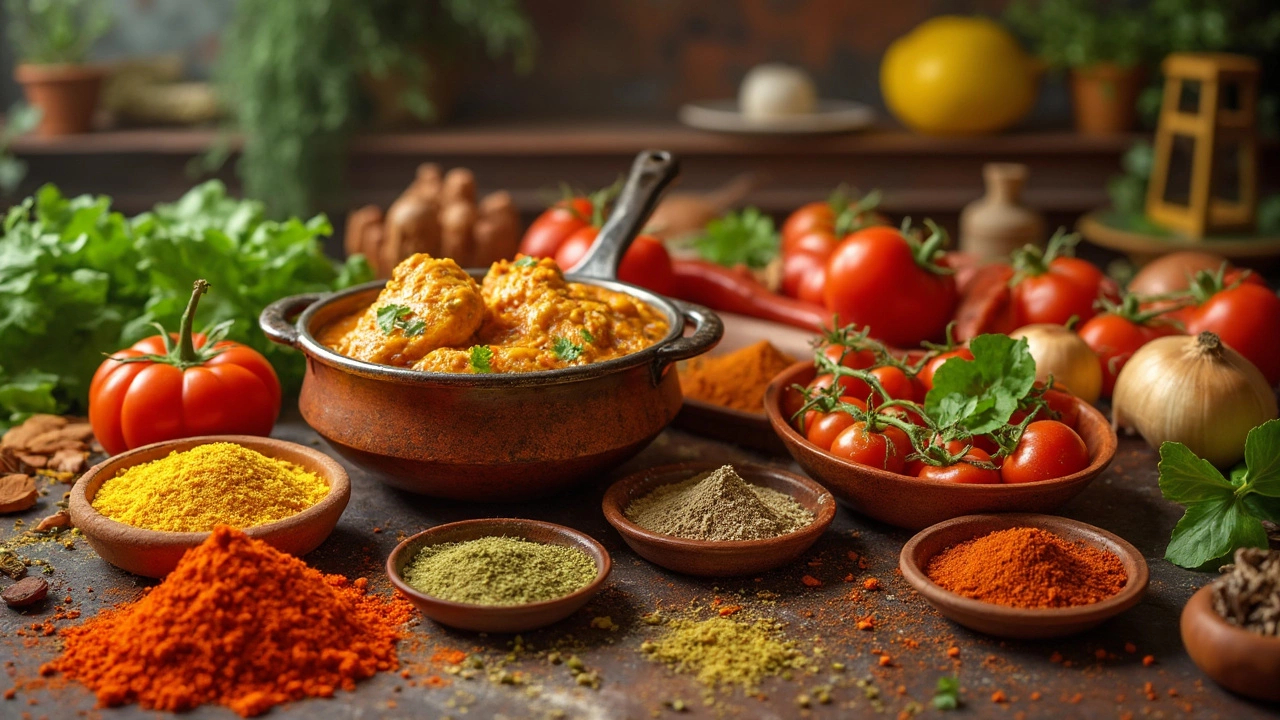
When you think of curry essentials, the core spices, techniques, and ingredients that define authentic Indian curries. Also known as curry base, it's not just a mix of powders—it's the foundation of flavor in millions of Indian kitchens every day. Most people assume curry is a single spice, but it’s really a system: toasted cumin, ground coriander, turmeric, chili, and fenugreek, layered with onions, garlic, and tomatoes, slow-cooked until they melt into a thick, aromatic paste. This isn’t magic—it’s method. And it’s what separates restaurant-style curries from the watery versions you might make at home.
What makes a curry rich isn’t cream or coconut milk—it’s time. Indian restaurants don’t add thickeners. They simmer onions for 45 minutes until they turn into a dark, sweet jam. Then they add tomatoes and spices, letting the mixture reduce until it clings to the spoon. That’s the curry base, the concentrated flavor core used in almost every North Indian dish. It’s the same base used in butter chicken, rogan josh, and chana masala. Then there’s the curry spices, the specific blends that vary by region, family, and even caste. In Tamil Nadu, they use mustard seeds and curry leaves. In Punjab, garam masala hits the pot at the end. In Kerala, coconut oil and dried red chilies dominate. These aren’t random choices—they’re traditions passed down for generations.
And then there’s the trick no one talks about: curry thickening, how texture is built through evaporation, not additives. You don’t need flour or cornstarch. You need patience. Let the water boil off. Let the oil separate. That’s when you know it’s ready. That’s when the spices bloom and the sauce clings to the meat or vegetables. It’s the same technique used in biryani gravies and dal makhani. If your curry looks thin, it’s not under-spiced—it’s under-simmered.
You’ll find all this in the posts below—how to build a curry from scratch, why soaking onions matters, which spices to toast first, and how to fix a bland or watery curry without reaching for cream. No fluff. No shortcuts. Just the real, tested methods used in homes and restaurants across India. Whether you’re making chicken curry, paneer masala, or a simple dal, these are the essentials that make it taste like it should.