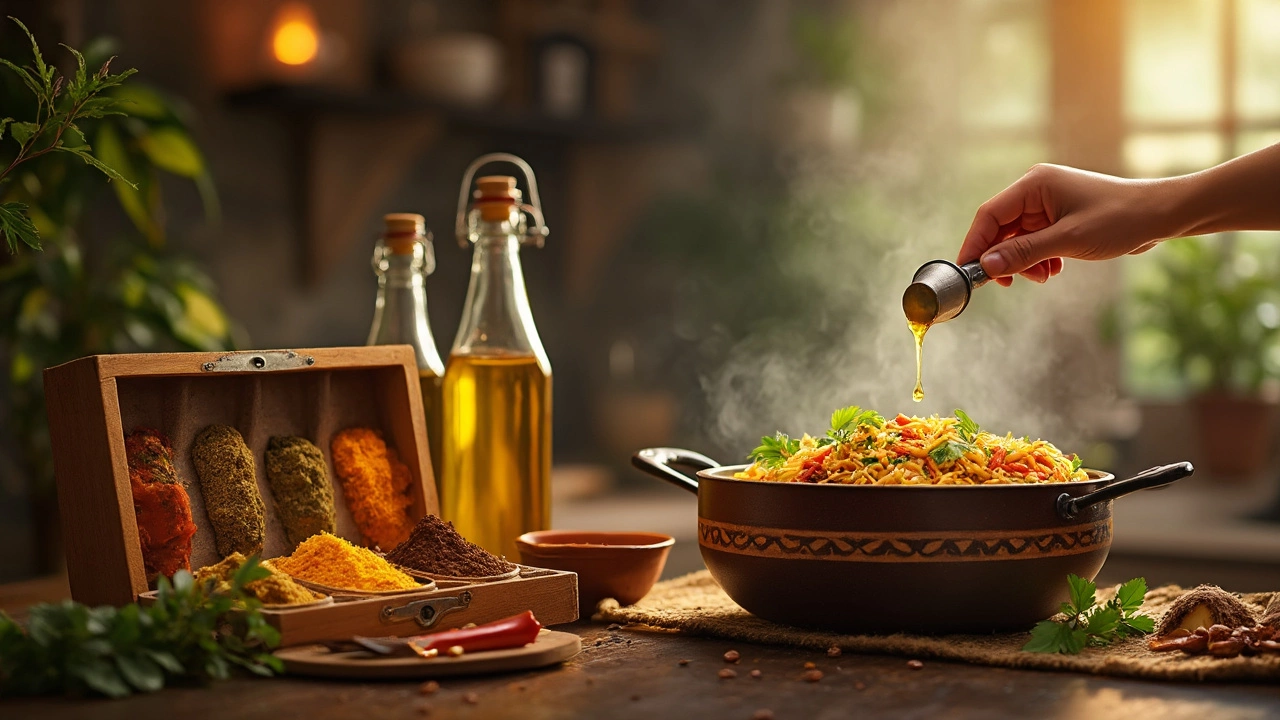
Cooking Tips for Authentic Indian Food: Proven Techniques from the Kitchen
When it comes to cooking tips, practical, tested methods used in Indian homes and restaurants to improve flavor, texture, and consistency. Also known as Indian kitchen hacks, these aren’t guesswork—they’re the result of generations of trial, error, and patience. You won’t find these in fancy cookbooks. You’ll find them in the back of a Mumbai street vendor’s cart, in a Punjabi mother’s morning routine, or in the steam rising off a simmering pot of biryani.
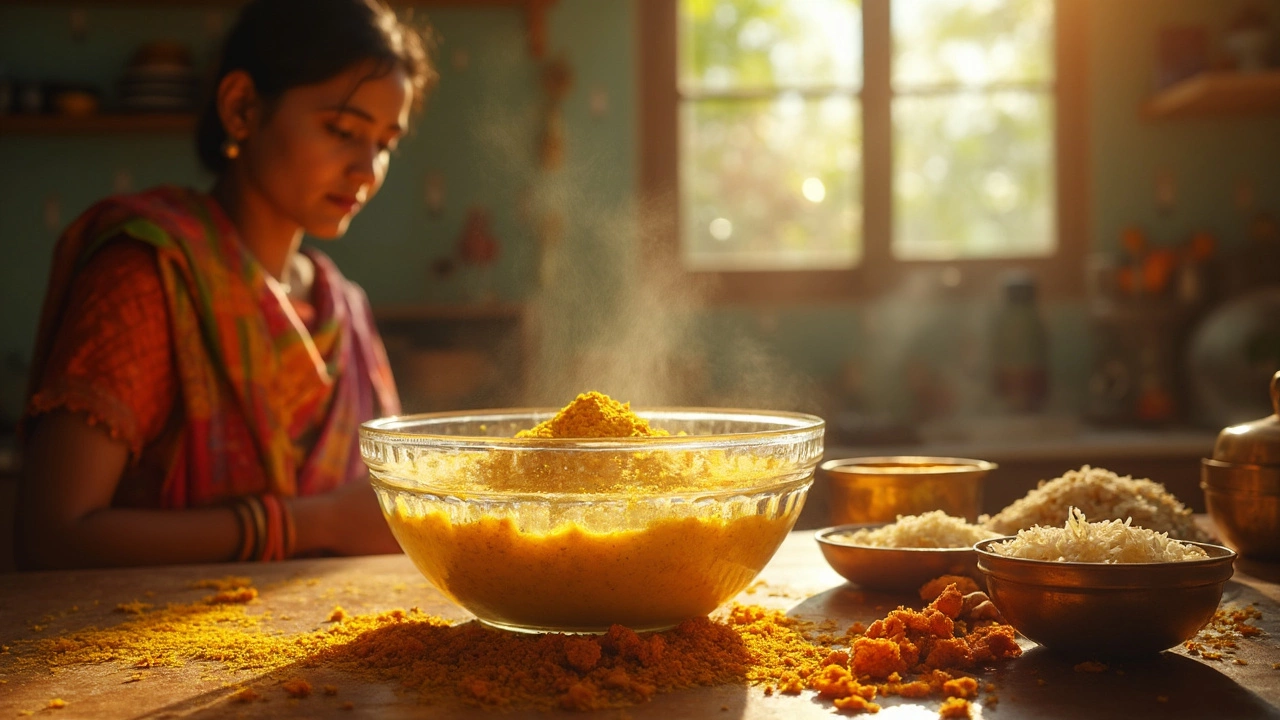
Take paneer preparation, the process of making and treating Indian cottage cheese for cooking. Most people ruin it by skipping the soak. Soaking paneer in warm water for 10 minutes isn’t optional—it’s the difference between rubbery cubes and melt-in-your-mouth bites. Same with dosa batter, the fermented mixture made from urad dal and rice used to make crispy South Indian pancakes. Soak the dal too short? The batter won’t rise. Too long? It turns slimy. Six to eight hours is the sweet spot. And if you think roti needs baking powder, you’re missing the point. Real roti puffs because of steam and heat, not chemicals.
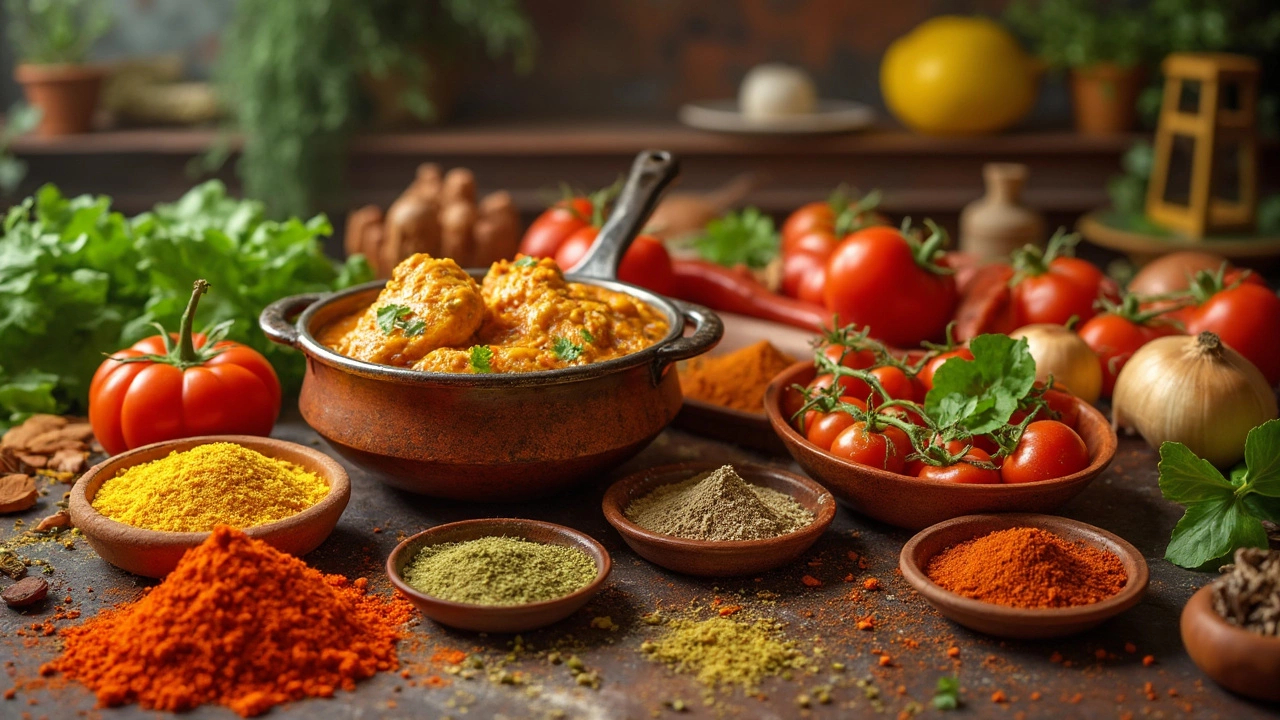
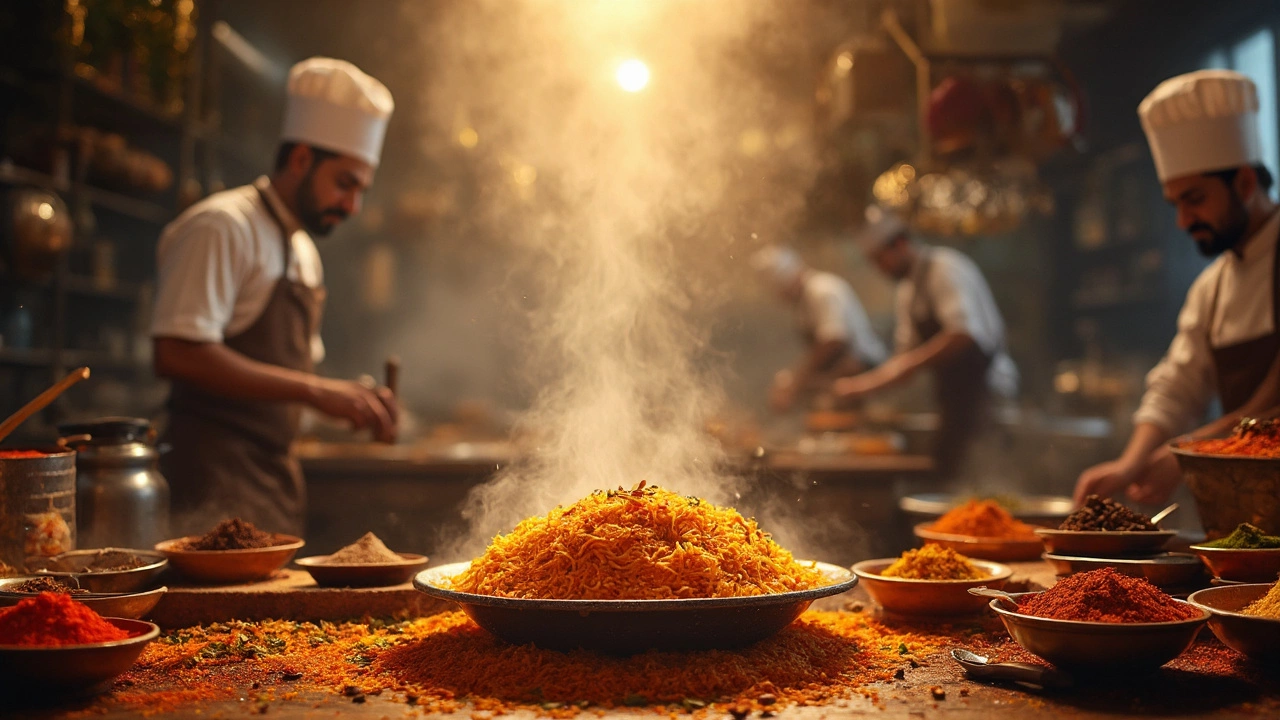
Then there’s curry thickening, how Indian restaurants create rich, dense sauces without flour or cream. It’s not magic. It’s slow-cooked onions, tomatoes, and spices blended into a paste and simmered for over an hour. No shortcuts. And if you’re making biryani, the secret isn’t just spices—it’s layering, sealing the pot, and letting steam do the work. These aren’t tricks. They’re fundamentals.
You’ll find all of this—plus how to fix rubbery paneer, why garlic isn’t always used in Indian curries, how much milk you actually need to make cheese at home, and why soaking urad dal matters more than you think—in the posts below. No theory. No fluff. Just what works, day after day, in real Indian kitchens.