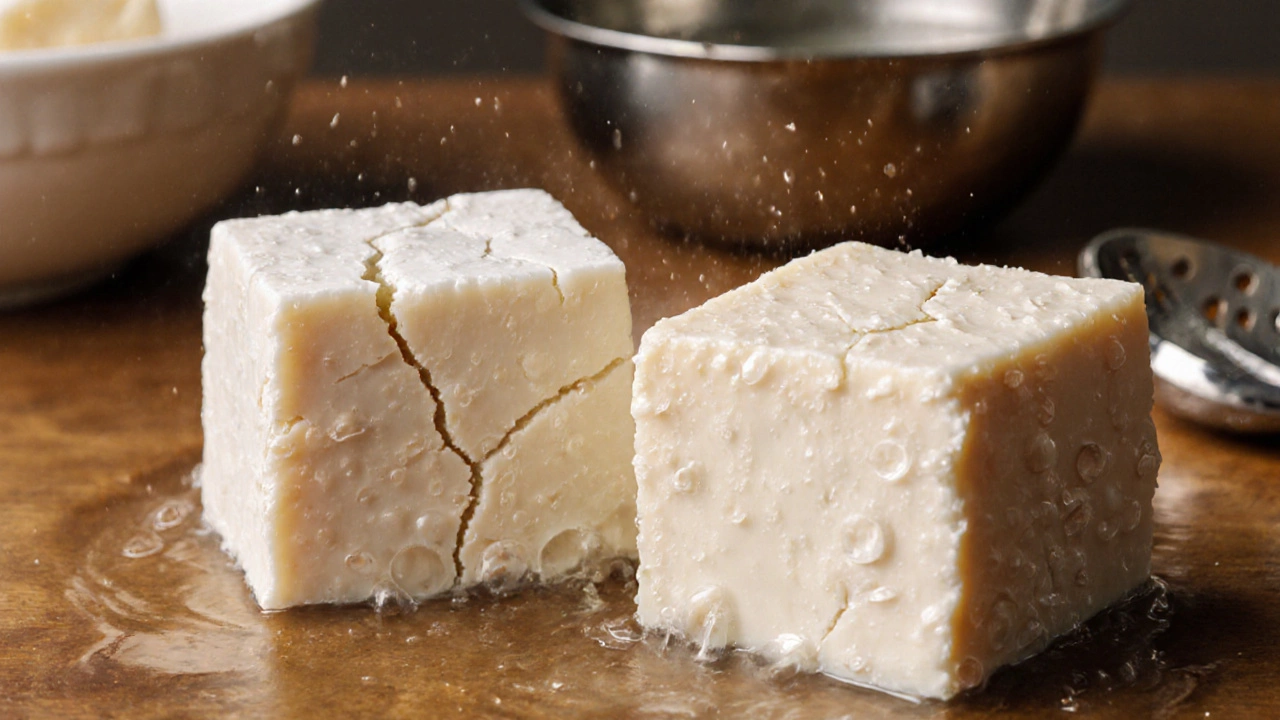
Why Do You Soak Paneer Before Cooking? The Simple Trick for Perfect Texture
Soaking paneer before cooking transforms it from rubbery to soft and flavorful. Learn why this simple step makes all the difference in curries, tikkas, and homemade dishes.
When you think of cooking paneer, a soft, fresh Indian cheese made by curdling milk with acid. Also known as Indian cottage cheese, it’s the backbone of dozens of home-cooked meals—from creamy paneer butter masala to spicy grilled street snacks. Unlike aged cheeses, paneer doesn’t melt. That’s why it holds its shape in curries, grills, and stir-fries. It’s not just a protein source—it’s a texture anchor in Indian cooking.
Most people buy paneer at the store, but making it at home takes less than 30 minutes and costs half as much. All you need is whole milk and something acidic—lemon juice, vinegar, or even yogurt. The key is heating the milk just right: too cold and it won’t curdle; too hot and the curds turn rubbery. Once the curds form, you drain them in a cloth and press them under weight for an hour. That’s it—your own fresh paneer, ready to cook.
But here’s where most go wrong: they fry paneer straight from the fridge. Cold paneer soaks up oil like a sponge and turns greasy. Always bring it to room temperature first. Then, lightly pan-fry or grill it until golden—this gives it a crisp edge and locks in moisture. Don’t boil it in sauce either. Add it in the last 5 minutes. Overcooking turns it chalky and tough. If your paneer is crumbling, you probably used low-fat milk or skipped the pressing step. Full-fat milk and proper weight = firm, sliceable cheese.
Paneer isn’t just for curries. Try it in kebabs with bell peppers, crumbled over chaat, or stuffed into parathas. It pairs with everything from cumin and garam masala to garlic-free asafoetida blends. And if you’re watching your calories, grilled paneer with herbs is a protein-packed snack that beats processed snacks any day.
Behind every great paneer dish is a simple truth: it’s not the spice that matters most—it’s the texture. That’s why the best Indian restaurants don’t just add paneer to their recipes—they treat it like a star ingredient. You’ll find posts here that show you exactly how to make it from scratch, fix the common mistakes that ruin it, and use it in 10+ authentic dishes. Whether you’re new to Indian cooking or just tired of dry, rubbery paneer, this collection gives you the real, no-fluff techniques that work in home kitchens across India.
Soaking paneer before cooking transforms it from rubbery to soft and flavorful. Learn why this simple step makes all the difference in curries, tikkas, and homemade dishes.