Code 5 Plastic: What It Is, Where It's Used, and Why It Matters in Food Manufacturing
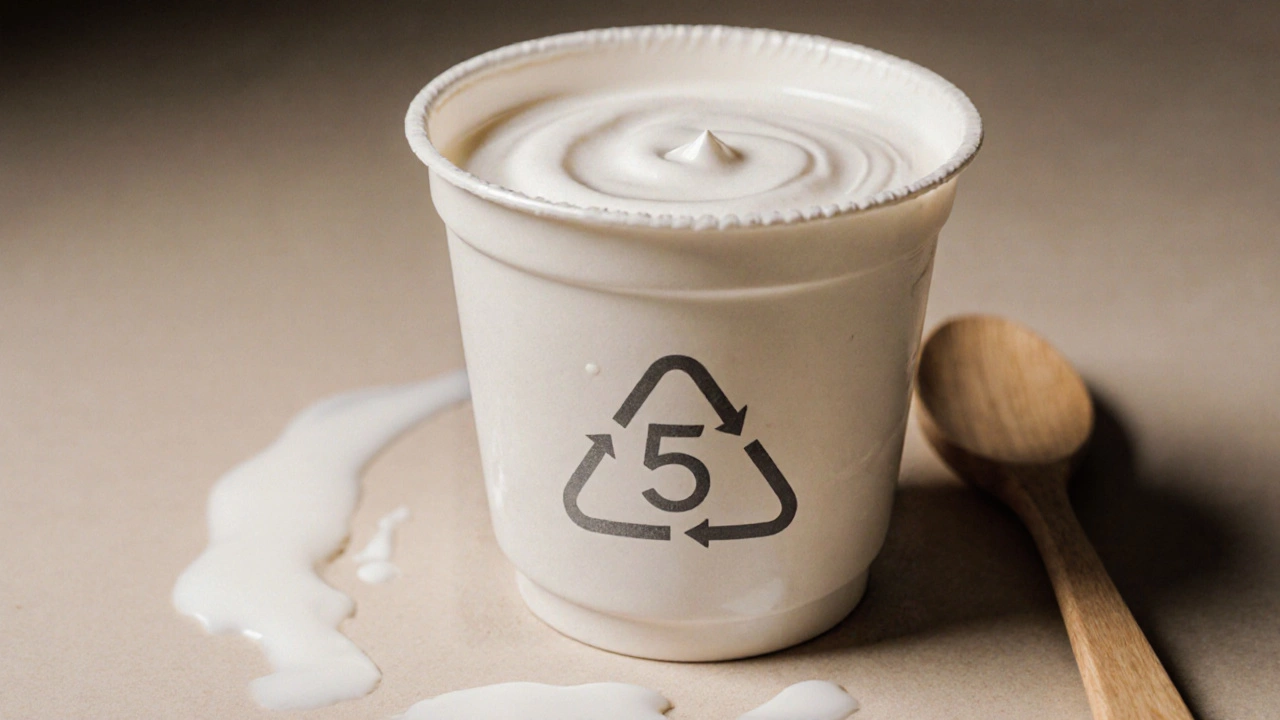
When you see the number 5 inside a recycling triangle on a food container, you're looking at code 5 plastic, a type of polypropylene known for its heat resistance and food safety. Also known as PP plastic, it's the go-to material for yogurt tubs, medicine bottles, and the lids on Indian pickle jars because it doesn't leach chemicals, even when heated. Unlike code 1 or code 7 plastics, code 5 doesn't break down easily under hot water or sunlight, making it ideal for repeated use in kitchens and food factories across India.
Food manufacturers in India rely on polypropylene, a durable, lightweight thermoplastic for packaging everything from paneer blocks to ready-to-eat snacks. It’s stable, easy to mold into tight seals, and won’t react with acidic foods like tamarind or tomato-based curries. This is why you’ll find it in the containers used by street vendors selling chaat and in the bulk packaging of masalas shipped to supermarkets. Its ability to withstand autoclaving — the high-heat sterilization process used in food plants — makes it a top pick for hygiene-critical applications.
Code 5 plastic also stands out because it’s one of the few plastics that can be safely reused at home. Many Indian households wash and repurpose these containers for storing spices, pickles, or even as lunch boxes. Unlike code 3 or code 6, which can release toxins when scratched or heated, code 5 holds up under washing, microwaving, and freezing. That’s why brands like Amcor and local Indian packaging firms prioritize it for their food-grade lines.
It’s not just about safety — code 5 plastic plays a role in sustainability too. While recycling rates in India are still low, code 5 is among the most recyclable plastics because it’s easy to sort and reprocess. Factories in Gujarat and Tamil Nadu are already turning cleaned code 5 containers into new food trays, bottle caps, and even textile fibers. The shift toward reusable and recyclable packaging is pushing more manufacturers to switch from mixed plastics to pure code 5, especially as consumer demand grows for eco-friendly food storage.
If you’ve ever wondered why your homemade paneer comes in a firm white tub, or why your mom’s pickle jar lid never warps in the sun, it’s because of code 5 plastic. It’s the quiet backbone of India’s food packaging system — practical, safe, and surprisingly smart. Below, you’ll find real examples from Indian food production that show how this material shapes what you eat, how it’s stored, and why it’s becoming harder to avoid in everyday kitchens.