Clean Lentils: How to Prepare, Use, and Why They Matter in Indian Cooking
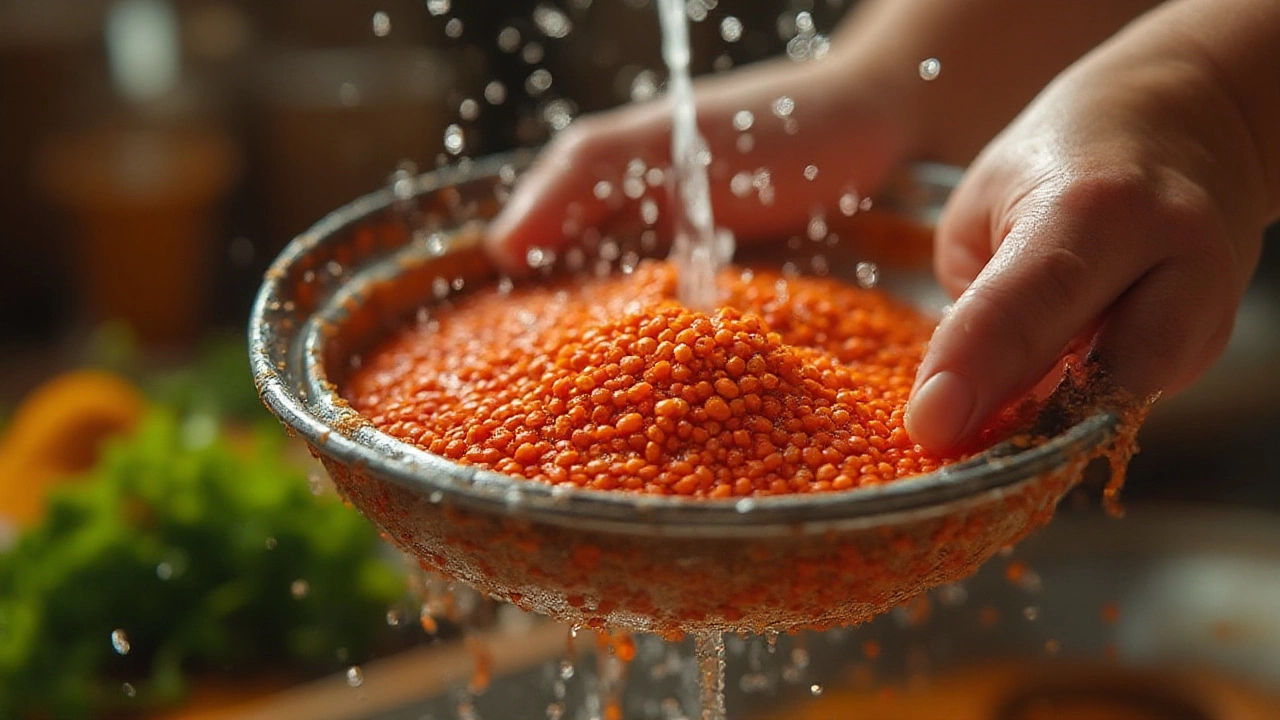
When you buy clean lentils, lentils that have been washed, sorted, and freed from debris, stones, and dust before cooking. Also known as washed dal, they’re the starting point for nearly every Indian household’s daily meal. Skipping this step might seem harmless, but dirty lentils can ruin texture, introduce grit, and even cause digestive discomfort. In Indian kitchens, clean lentils aren’t a luxury—they’re a requirement.
What makes urad dal, a key ingredient in dosa and idli batter, known for its creamy texture when fermented so different from other lentils? It’s not just the soaking time—it’s how well it’s cleaned first. If stones or husk remain, your batter won’t ferment right, and your dosas will turn out flat or gritty. Same goes for masoor dal, a red lentil that cooks fast and turns silky, often used in quick weeknight dals. A quick rinse under running water removes surface dust, but true cleaning means picking through each handful. No shortcuts. This is how grandmothers did it, and it’s still the best way.
Why does this matter beyond taste? Clean lentils digest easier. The human body struggles with undigested particles—especially when they’re mixed with starches and proteins like in lentils. Clean them well, and you reduce bloating. Clean them well, and your spices stick better. Clean them well, and your dal tastes richer, not muddy. It’s not magic—it’s physics and biology working together.
You’ll find this theme repeated across Indian cooking: preparation is everything. Whether you’re making paneer from scratch, soaking urad dal for dosa, or thickening a curry the restaurant way, the quality of your base ingredient decides the outcome. Clean lentils are the silent hero in every pot. They don’t shout, but without them, nothing else works right.
Below, you’ll find real, tested guides on how to handle lentils—from the right soak times for urad dal to why soaking paneer before cooking changes everything. No theory. No fluff. Just what works in Indian kitchens today.