Why Is My Chicken Still Pink After Cooking? Causes & Fixes
Find out why chicken can stay pink after long cooking, how to test safety with temperature, and practical tips to avoid the pink surprise.
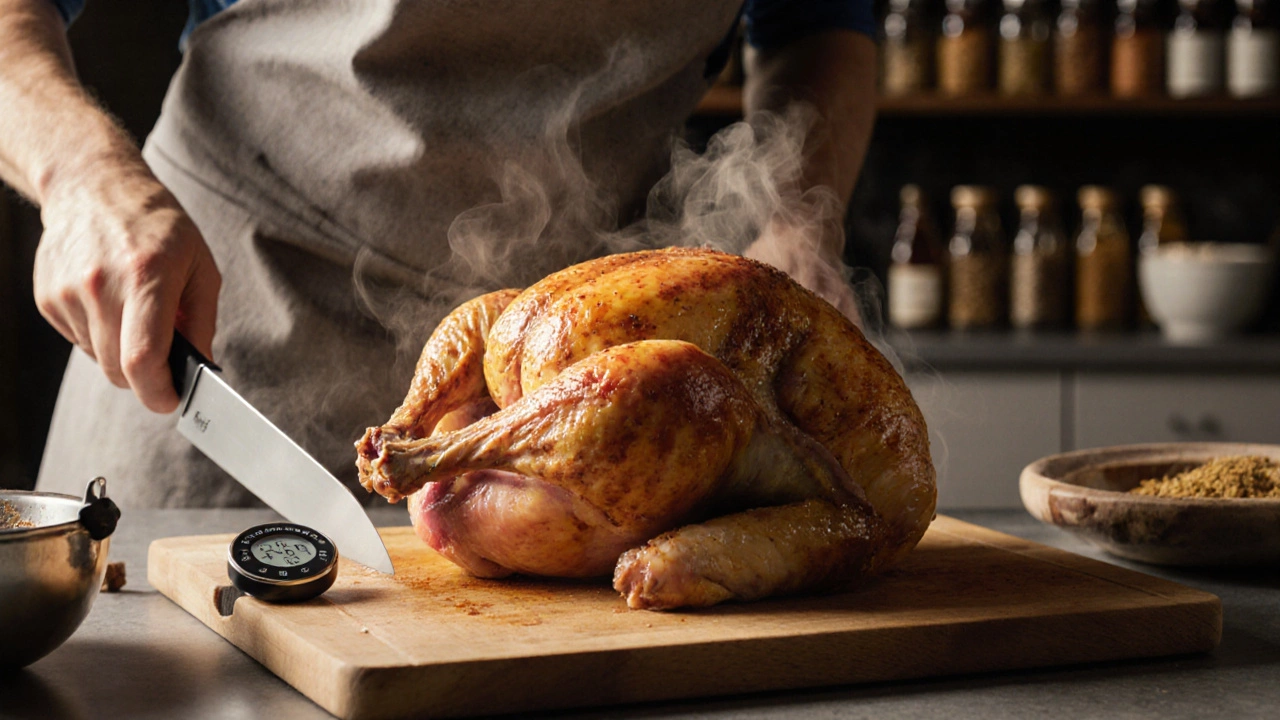
When you cut into a piece of chicken pink after cooking, a common concern among home cooks is whether the meat is safe to eat. Also known as pink chicken, this color doesn't always mean undercooked or unsafe—especially in India, where poultry is often cooked in spice-heavy curries or grilled over open flames. The truth? It’s not about the color. It’s about the temperature.
The food safety, a critical part of Indian food manufacturing and home kitchens alike standards say chicken is safe at 165°F (74°C), no matter the color. Even if the meat looks pink near the bone or in the thickest part, it’s fine if it hit that temperature. Why? Myoglobin, the protein that gives meat its color, can stay pink even after full cooking—especially in younger birds, or when cooked with nitrites from spices, marinades, or even smoked wood. This isn’t a flaw. It’s chemistry.
Many people in India worry because they’ve seen pink chicken at street stalls or in home-cooked meals and heard old warnings. But if you’re using a thermometer—something every serious home cook should have—you’ll stop guessing. A digital probe costs less than a bag of spices and saves you from throwing out perfectly good food… or worse, eating something dangerous. You don’t need to see white meat. You need to know the internal temp.
What about undercooked chicken, a real risk when cooking times are rushed or heat is uneven? That’s different. Undercooked chicken has a jelly-like texture, feels cold inside, and may bleed pink juice. Safe chicken is firm, springs back when pressed, and has clear juices. If you’re making chicken curry, tikkas, or grilled pieces, the key is consistent heat—not how red it looks.
Indian kitchens often use clay ovens, tandoors, or slow-simmered pots—methods that can leave chicken looking pink even when fully cooked. That’s normal. What’s not normal? Skipping the thermometer because you ‘know how it should look.’ You don’t. Not anymore. The rules changed. The science is clear.
And if you’re worried about your chicken curry turning pink after reheating? That’s often from the spices—especially turmeric or paprika—reacting with the meat’s natural compounds. It’s not bacteria. It’s color chemistry. Same with smoked or grilled chicken. The smoke ring? That’s a sign of good technique, not undercooking.
Bottom line: Stop judging chicken by its color. Start judging it by its temperature. If you’re cooking for your family, for your restaurant, or even for a small food business in India, this one step cuts risk, waste, and worry. The posts below will show you how to test chicken properly, what tools to use, how to avoid common mistakes in Indian kitchens, and why some of the tastiest chicken dishes you’ve ever had might’ve looked pink—and were still perfectly safe.
Find out why chicken can stay pink after long cooking, how to test safety with temperature, and practical tips to avoid the pink surprise.