Chicken Curry: The Ultimate Guide to Flavor, Technique, and Indian Kitchen Secrets
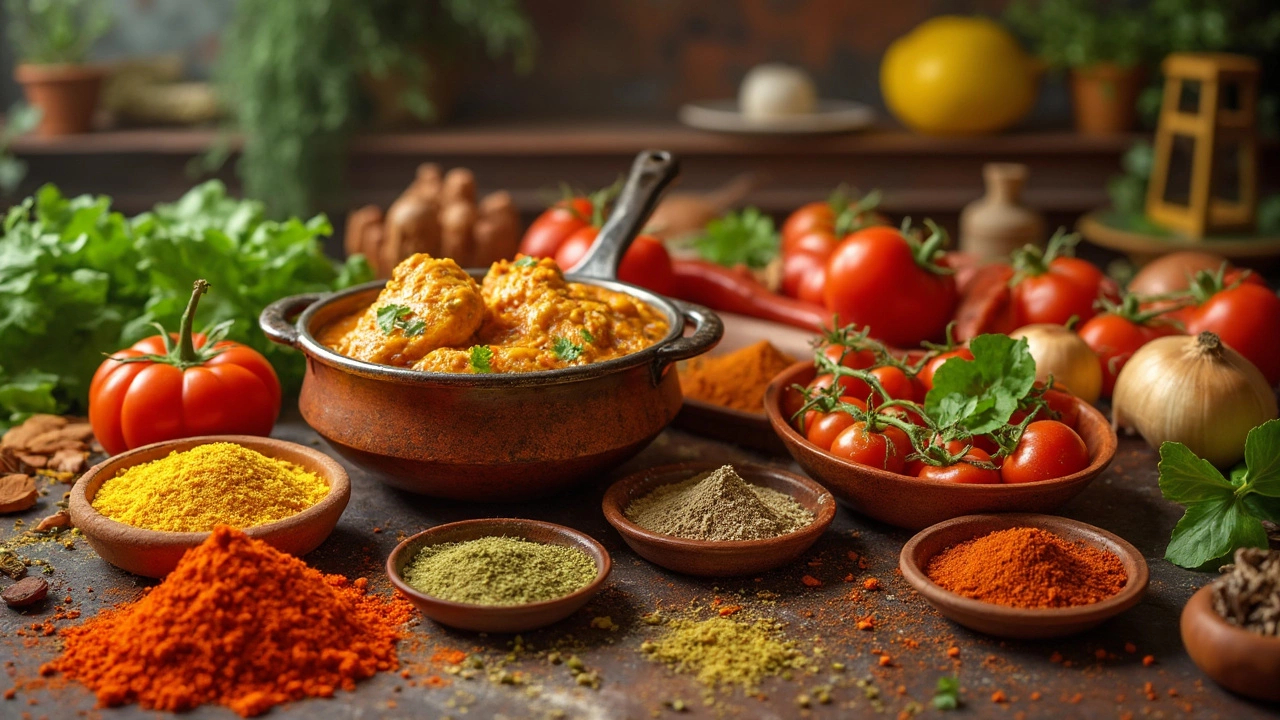
When you think of chicken curry, a rich, spiced stew made with chicken, onions, tomatoes, and a blend of Indian spices that varies by region and family. Also known as chicken masala, it’s one of the most widely cooked and loved dishes in Indian households and restaurants worldwide. But what makes a chicken curry truly stand out isn’t just the ingredients—it’s the method. Most home cooks skip the real secrets: slow-cooked onion-tomato bases, spice blooming in oil, and simmering for over an hour to let flavors meld. No cream, no flour—just time, heat, and patience.
The curry thickening, the process of reducing liquids and blending cooked aromatics into a smooth, concentrated paste to create body without dairy or starch is what separates restaurant-style curries from watery versions. This technique, used in kitchens from Delhi to Mumbai, turns simple ingredients into something deeply satisfying. It’s the same method that makes Indian curry, a broad category of spiced stews with regional variations in spice mix, texture, and cooking time so addictive. And if you’ve ever wondered why your chicken curry tastes flat, it’s likely because you’re not letting the onions caramelize long enough or skipping the final simmer.
Chicken curry doesn’t exist in a vacuum. It’s connected to the chicken tikka, a grilled, marinated chicken dish that’s often the starting point for many curry bases—a dish so popular it’s claimed by both India and the UK. But while chicken tikka is dry and charred, chicken curry is wet, slow, and layered. One is a starter, the other is a meal. And then there’s the restaurant curry recipe, a standardized approach used by Indian eateries to produce consistent, high-volume dishes without sacrificing depth of flavor. These kitchens don’t use shortcuts—they use repetition, precision, and the kind of knowledge passed down through generations.
What you’ll find in the posts below isn’t just recipes. It’s the real talk about how Indian restaurants get that thick, glossy texture. How the spiciest curries stack up against chicken tikka. How soaking paneer or fermenting dosa batter might seem unrelated—but they’re all part of the same kitchen logic: control the process, respect the ingredients, and never rush the result. Whether you’re trying to fix a watery curry, understand why your spices taste bitter, or just want to know what makes a curry taste like it came from a Mumbai street stall—this collection has what you need. No fluff. No guesswork. Just what works.