Paneer English Name: What to Call Indian Cottage Cheese
Discover the proper English name for paneer, how it differs from cottage cheese, and when to use each term in recipes, menus, and food labels.
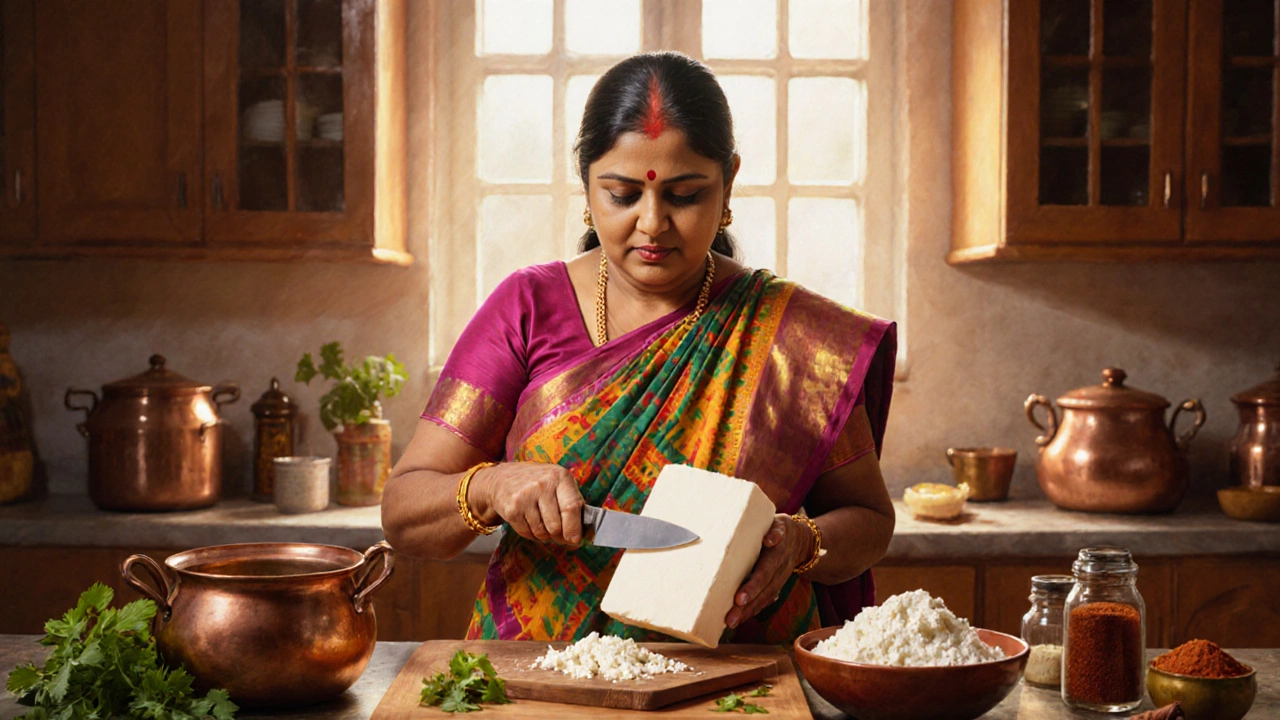
When we talk about cheese names, a broad category of dairy products made by curdling and aging milk. Also known as dairy curds, they range from soft, fresh cheeses like paneer to aged, complex ones like cheddar or gouda. In India, cheese isn’t just imported—it’s made daily in homes and small dairies, with paneer, a fresh, non-melting Indian cheese made by curdling milk with acid. Also known as Indian cottage cheese, it’s the backbone of countless curries, tikkas, and street snacks. Unlike Western cheeses, paneer doesn’t require rennet or aging. It’s quick, cheap, and endlessly versatile.
But cheese names aren’t just about paneer. Across the world, mozzarella, a soft, stretchy cheese from Italy, often used on pizzas and salads. Also known as fresh mozzarella, it’s prized for its mild flavor and meltability. Then there’s cheddar, a hard, sharp cheese originally from England, aged for months or years to develop depth. Also known as mature cheddar, it’s the go-to for sandwiches, grilled cheese, and snacks. In India, you’ll find people using cheddar in pizzas, burgers, and even stuffed parathas—blending global cheese names with local tastes. Even ricotta, a light, grainy Italian cheese made from whey, often used in desserts and fillings. Also known as whey cheese, it’s slowly appearing in Indian bakeries and fusion desserts. These aren’t just foreign imports—they’re becoming part of everyday cooking.
What ties all these cheese names together? They’re all made from the same basic process: curdling milk, separating solids from liquid, then shaping and sometimes aging. The difference comes down to milk type (cow, buffalo, goat), acid or rennet used, temperature, and time. In India, buffalo milk gives paneer its rich, dense texture. In Europe, raw cow’s milk creates complex flavors in aged cheeses. You don’t need fancy equipment to make cheese—just milk, heat, and a little patience. That’s why so many Indian households make paneer from scratch, and why global cheese names are now showing up in local markets and recipes.
What you’ll find below is a collection of real, practical guides on how these cheeses are made, used, and fixed when things go wrong. From the exact milk-to-paneer ratio to why soaking paneer matters, these posts cut through the noise. You won’t find fluff. Just the facts that help you cook better, understand what’s in your food, and recognize the cheese names you’re actually eating.
Discover the proper English name for paneer, how it differs from cottage cheese, and when to use each term in recipes, menus, and food labels.