Breakfast Ideas India: Simple, Traditional, and Quick Morning Meals
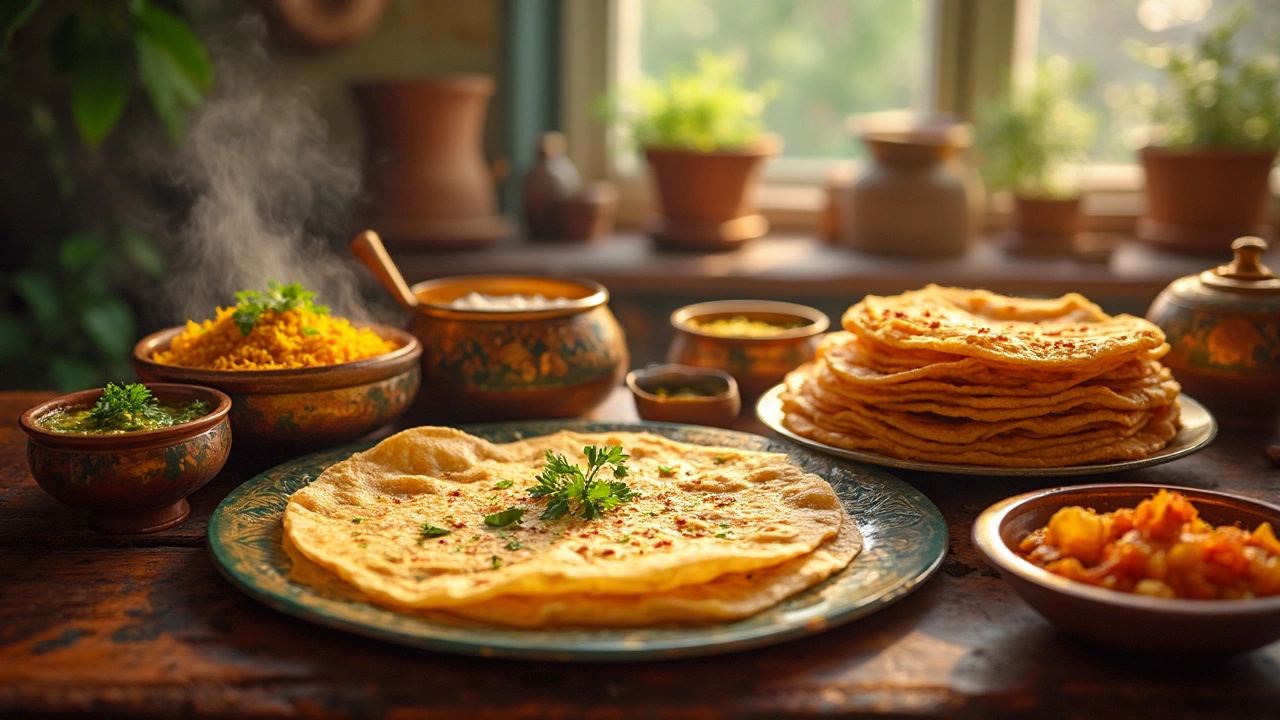
When it comes to breakfast ideas India, a diverse collection of regional, daily meals that fuel the country’s population with energy, flavor, and cultural meaning. Also known as Indian breakfast, these meals aren’t just food—they’re rituals passed down through generations. Unlike Western toast-and-coffee routines, Indian breakfasts vary wildly by region, season, and household. In the south, it’s steamed idli with coconut chutney. In the west, it’s pav bhaji or upma. In the north, it’s paratha with curd. And in the east, it’s luchi with alur dom. No two plates are the same, but they all share one thing: they’re made to be eaten fast, eaten fresh, and eaten with purpose.
What makes these meals work isn’t fancy ingredients—it’s time-tested technique. South Indian breakfast, a category defined by fermented batters, steamed snacks, and minimal oil, relies on soaking urad dal, a key legume used to create fluffy, crisp dosas and soft idlis for just the right amount of time. Too little, and the batter won’t rise. Too much, and it turns slimy. That’s the kind of detail that turns a good breakfast into a great one. Meanwhile, paneer, a fresh, unaged Indian cheese made from milk and acid, often shows up in breakfast curries or stuffed parathas, especially in homes where dairy is central to the morning meal. You don’t need to buy it—making paneer at home takes ten minutes and costs less than store-bought.
These meals aren’t trendy. They don’t need Instagram filters. They’re built for real life: long workdays, hot weather, and families eating together before sunrise. That’s why breakfast ideas India aren’t about novelty—they’re about reliability. Poha, made from flattened rice, takes five minutes to cook and packs protein from peanuts and curry leaves. Dalia, or cracked wheat, is boiled with milk and jaggery for a warm, fiber-rich start. Even simple rice with yogurt and pickle, eaten across rural India, gives you probiotics, salt, and energy in one bowl. These aren’t recipes you find in cookbooks—they’re meals you learn from your grandmother, your neighbor, or the street vendor who shows up at 6 a.m.
You won’t find kale smoothies or avocado toast here. But you will find meals that have kept millions going for centuries. Below, you’ll see real posts that break down exactly how to make these foods right—how long to soak dal, why roti doesn’t need baking powder, how restaurants thicken their curries, and why soaking paneer makes all the difference. This isn’t about chasing trends. It’s about understanding what works, why it works, and how you can make it yourself—no matter where you are.