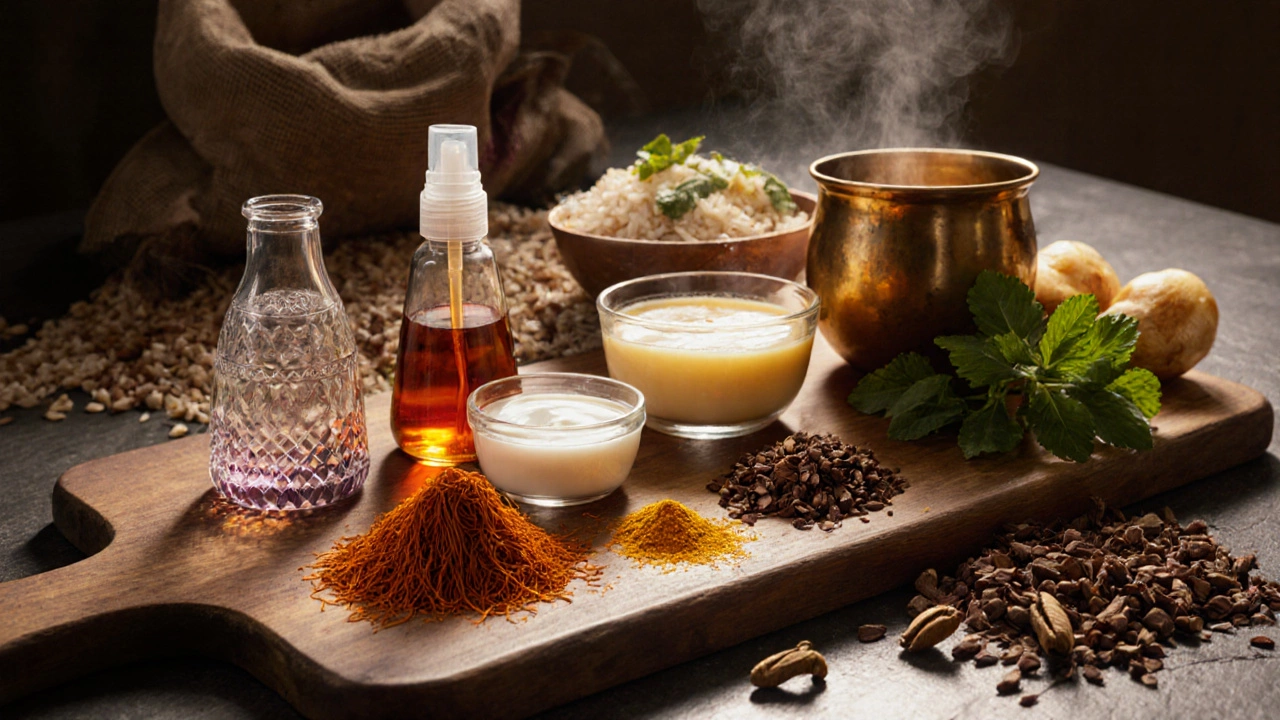
Secret Ingredients That Make Biryani Irresistible
Discover the lesser‑known ingredients like saffron alternatives, kewra, rose water, fried onions, and more that turn ordinary biryani into a flavor masterpiece.
When you talk about biryani secret ingredients, the hidden flavors and techniques that transform simple rice and meat into a deeply aromatic dish. Also known as authentic biryani, it's not about exotic spices you can't find—it's about how they're used, when, and in what order. Most people think it's the saffron or the rose water. But those are just the finishing touches. The real magic starts with the rice, the meat, and the slow build of flavor you can't rush.
The rice for biryani, a long-grain variety like Basmati that stays separate and fragrant after cooking. Also known as Basmati rice, it’s not just any rice—it needs to be soaked, rinsed, and parboiled just right so it doesn’t turn mushy under steam. Then there’s the biryani spices, a blend that varies by region but always includes whole cardamom, cloves, cinnamon, and bay leaves fried in ghee before anything else. Also known as whole spice mix, these aren’t ground and dumped in—they’re toasted slowly to unlock their oils. That’s the first layer. The second is the meat, marinated overnight with yogurt, ginger, garlic, and a touch of lemon. The third is the layering: rice, meat, fried onions, herbs, and a final drizzle of kewra water or rose water—all sealed under dough or a tight lid to trap steam.
What you won’t find in most recipes? Baking powder. Cream. Cornstarch. Thickening agents. Real biryani gets its richness from slow cooking, not shortcuts. The onions? Fried until they’re caramelized and almost sweet. The yogurt? Used to tenderize, not to make it creamy. The heat? Controlled, not turned up to burn. It’s a dish built on patience, not power. And that’s why you’ll find the same principles in restaurant kitchens in Hyderabad, Lucknow, and Delhi—even if the spice levels change.
You’ll see posts here about how to make paneer from scratch, how to soak urad dal for perfect dosa, and how Indian restaurants thicken curry without cream. Those aren’t random. They’re all part of the same kitchen logic: technique over trickery. Biryani secret ingredients aren’t rare. They’re just done right. And that’s what you’ll find in the collection below—no fluff, no hype, just what works in real Indian kitchens.
Discover the lesser‑known ingredients like saffron alternatives, kewra, rose water, fried onions, and more that turn ordinary biryani into a flavor masterpiece.