Biryani Recipe: Authentic Styles, Key Ingredients, and Cooking Secrets
When you think of biryani recipe, a layered rice dish with meat, spices, and saffron, deeply rooted in Indian and Pakistani culinary traditions. Also known as biryani, it's not just a meal—it's a ritual that varies by region, family, and even occasion. Unlike plain rice and curry, biryani is built in layers: parboiled rice, spiced meat, fried onions, saffron milk, and sometimes hard-boiled eggs or potatoes. Each layer adds texture, aroma, and depth. The magic isn’t in one secret ingredient—it’s in the timing, the heat control, and the patience to let steam do the work.
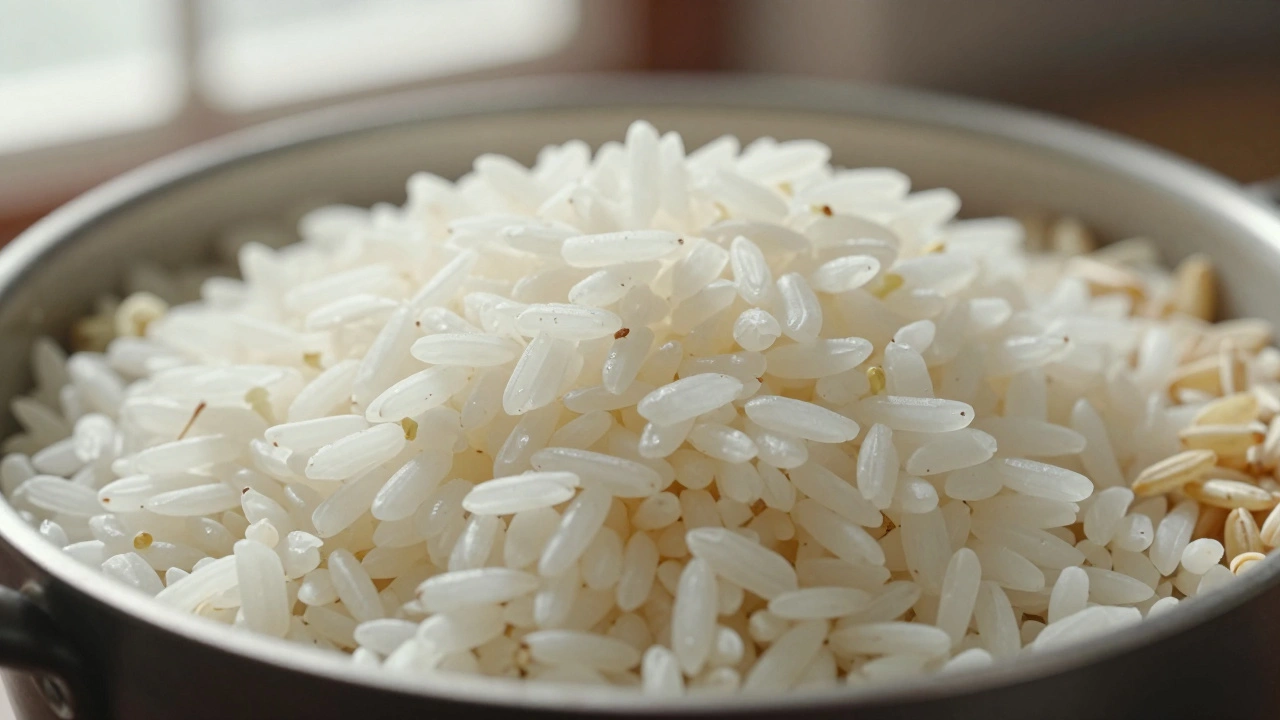
There’s no single biryani recipe. In Hyderabad, it’s all about dum cooking—sealing the pot with dough and slow-steaming for hours. In Lucknow, the biryani is lighter, with more emphasis on subtle spices like cardamom and rose water. Kolkata biryani uses potatoes and boiled eggs, a legacy of British influence. And in Tamil Nadu, you’ll find it made with coconut milk and curry leaves. What ties them together? Basmati rice that stays separate, not mushy. Meat (chicken, goat, or lamb) that’s tender but not falling apart. And a spice blend that’s warm, not just hot. You won’t find turmeric turning it yellow—real biryani gets its color from saffron or food-grade yellow coloring, if used at all.
Many people think biryani needs cream or yogurt to be rich. It doesn’t. The richness comes from slow-cooked onions fried until caramelized, whole spices bloomed in ghee, and the natural fats in the meat. The rice is boiled just until 70% done before layering—any more, and it turns to paste. The final steam, called dum, is what locks in flavor. Skip it, and you’re just eating spiced rice with meat.
What You’ll Find in This Collection
Below, you’ll find real, tested approaches to making biryani at home—no fancy equipment needed. We cover how to pick the right rice, how long to soak it, which spices to toast and when, and how to avoid the most common mistake: overcooking the meat. You’ll also see how restaurant-style biryani gets its depth without cream, why some cooks use yogurt and others don’t, and which regional versions are actually easier to make than you think. Whether you’re trying to replicate your grandmother’s version or create something new, the posts here give you the why behind every step—not just the what.