Secret Ingredients That Make Biryani Irresistible
Discover the lesser‑known ingredients like saffron alternatives, kewra, rose water, fried onions, and more that turn ordinary biryani into a flavor masterpiece.
When you think of biryani flavor boosters, ingredients and techniques that deepen, balance, and elevate the taste of biryani beyond basic spices, you’re not just talking about cumin or cardamom. You’re talking about the quiet heroes—the soaked saffron, the fried onions caramelized to perfection, the whole spices toasted just right—that turn a simple rice dish into something unforgettable. These aren’t optional extras. They’re the foundation. Without them, biryani is just spiced rice. With them, it’s a layered experience that lingers on the tongue and in memory.
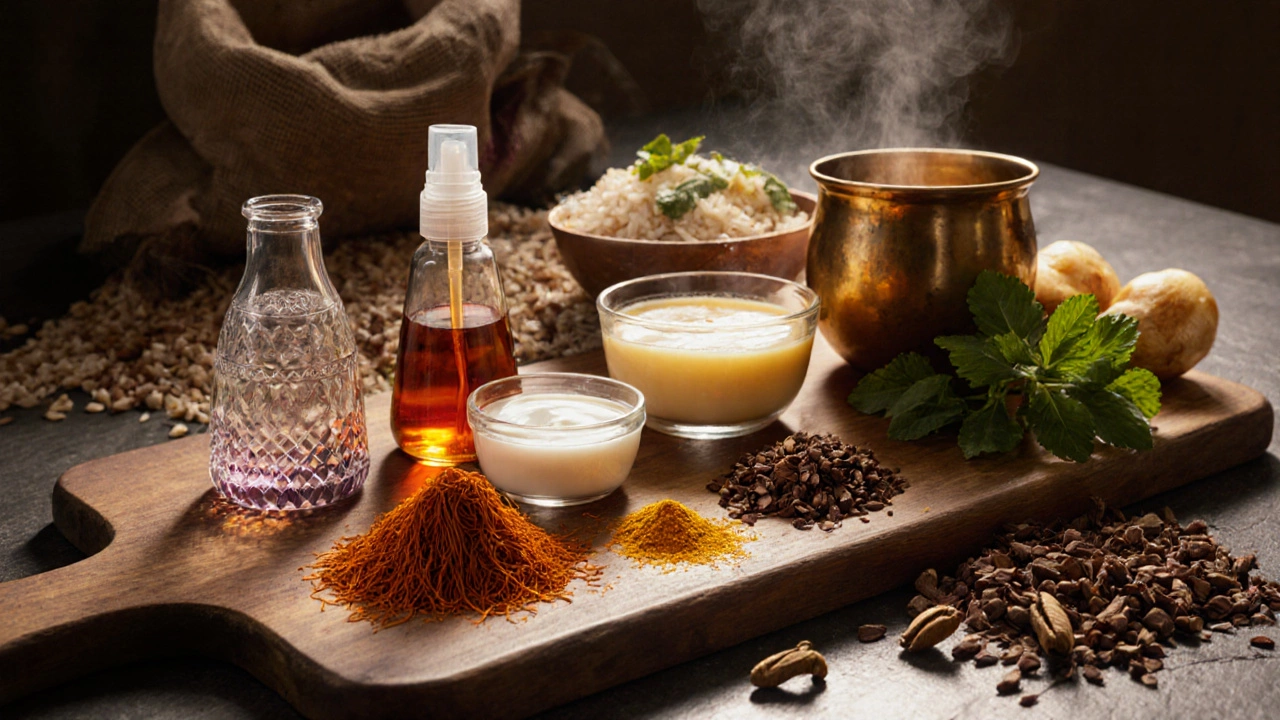
biryani spices, the specific blend of whole and ground aromatics used in Indian and Pakistani biryani traditions are more than a list. They’re a rhythm. Cloves, star anise, and bay leaves don’t just add heat—they add depth. Cinnamon brings sweetness that balances chili heat. Black pepper isn’t just for spice; it cuts through richness. And then there’s the holy trinity: saffron, rose water, and kewra water. These aren’t gimmicks. They’re scent anchors. A pinch of saffron soaked in warm milk doesn’t color the rice—it transforms it. Rose water doesn’t make it floral—it makes it feel like a celebration. Kewra water? That’s the secret whisper in every good Hyderabadi biryani. You can’t taste it directly, but you’d miss it if it were gone.
rice for biryani, long-grain basmati rice aged for at least a year, prized for its aroma and non-sticky texture is the canvas. You can use the best spices in the world, but if your rice is broken, short-grain, or not rinsed properly, it’ll turn mushy and dull. The right rice holds its shape, absorbs flavor without collapsing, and releases fragrance when steamed. And don’t forget the layering. It’s not just about putting meat on top of rice. It’s about building flavor in stages—fried onions at the bottom for sweetness, marinated meat in the middle for juiciness, saffron rice on top for aroma, and a seal of dough or foil to trap steam. That’s how the flavors marry. That’s how the heat moves through the dish evenly.
These aren’t just cooking tips. They’re the unspoken rules passed down in kitchens from Lucknow to Karachi. You won’t find them in most recipe blogs. But if you’ve ever had a biryani that made you pause mid-bite, you’ve felt their effect. The collection below dives into exactly how these elements work—how to fry onions without burning them, why soaked saffron beats powdered, how much water to use for perfect rice, and what most people get wrong about layering. No theory. No fluff. Just what makes biryani taste like it came from a family kitchen that’s been doing this for generations.
Discover the lesser‑known ingredients like saffron alternatives, kewra, rose water, fried onions, and more that turn ordinary biryani into a flavor masterpiece.