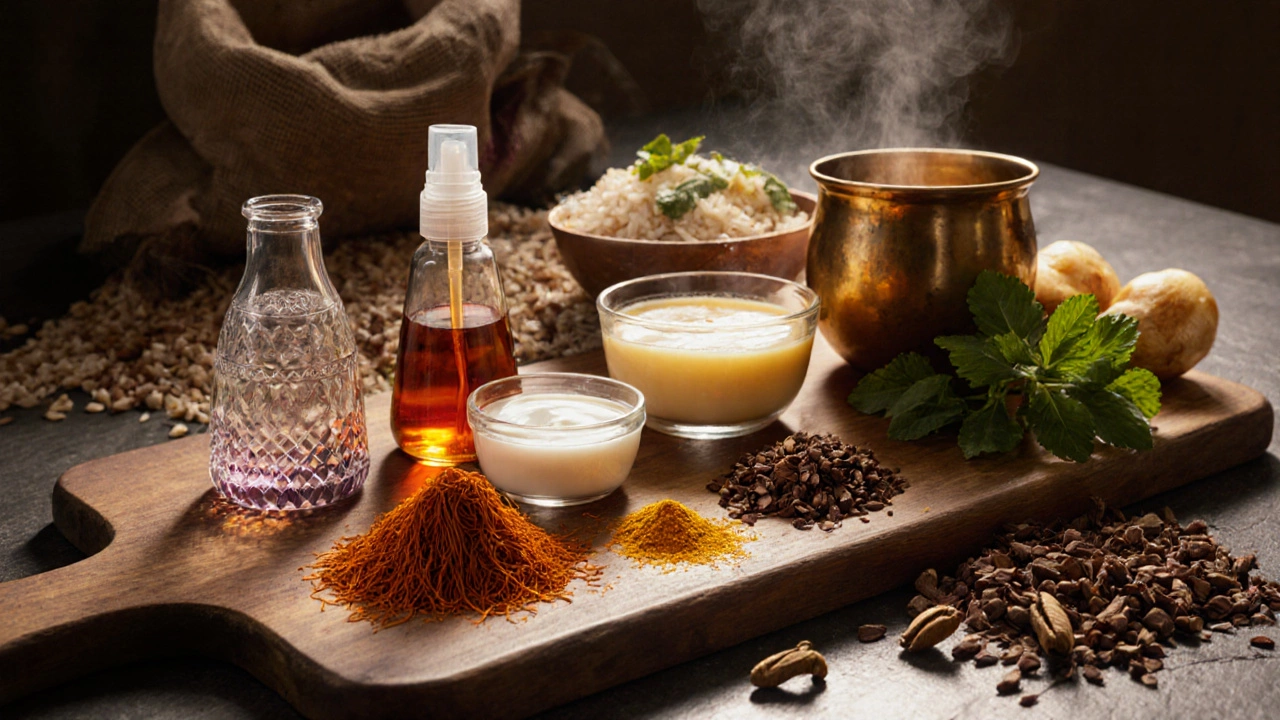
Secret Ingredients That Make Biryani Irresistible
Discover the lesser‑known ingredients like saffron alternatives, kewra, rose water, fried onions, and more that turn ordinary biryani into a flavor masterpiece.
When you talk about biryani, a layered rice dish from India with spiced meat, aromatic rice, and slow-steamed flavors. Also known as hyderabadi biryani, it’s not just food—it’s a slow-cooked ritual that balances heat, aroma, and texture in every bite. Most people think it’s about the spices. But the real biryani cooking secrets lie in what you don’t do: over-stirring, rushing the steam, or using pre-ground masalas. The best biryanis are built in layers, sealed with dough, and cooked low and slow—just like they’ve been for centuries in Awadh and Hyderabad kitchens.
It starts with the rice. Basmati isn’t just a choice—it’s a requirement. The grains must be long, fragrant, and soaked before cooking to prevent breakage. Then there’s the meat: goat or chicken, marinated overnight with yogurt, ginger, garlic, and whole spices like cardamom and cloves. The masala isn’t fried in oil—it’s bloomed in ghee, letting each spice release its oil slowly. This isn’t a quick stir-fry. It’s a slow dance between heat and time. The biryani spices, a blend of whole and ground spices like saffron, star anise, cinnamon, and mace aren’t dumped in. They’re toasted, ground fresh, and layered between rice and meat. And the layering biryani, the technique of alternating meat, rice, fried onions, and herbs in a heavy pot is what turns a pot of food into something that smells like a festival.
People skip the dum—steam cooking under a sealed lid—and wonder why their biryani tastes flat. That seal, made with flour and water dough, traps steam and lets the flavors marry without losing their edge. The onions? They’re fried until caramelized, not browned. Too dark, and they turn bitter. Too light, and they add no sweetness. The saffron isn’t just sprinkled—it’s soaked in warm milk and drizzled on top so it blooms evenly. These aren’t tips from a blog. These are the same steps used by families in Lucknow who’ve made biryani for five generations.
What you’ll find below isn’t a list of recipes. It’s a collection of real, tested methods from people who cook biryani every week—not just for guests. You’ll see how to fix dry rice, how to make the meat tender without overcooking, why some swear by kewra water and others by rose water, and how to layer it so every bite has the same balance. No gimmicks. No shortcuts. Just the kind of details that turn a good biryani into the kind you dream about.
Discover the lesser‑known ingredients like saffron alternatives, kewra, rose water, fried onions, and more that turn ordinary biryani into a flavor masterpiece.