Secret Ingredients That Make Biryani Irresistible
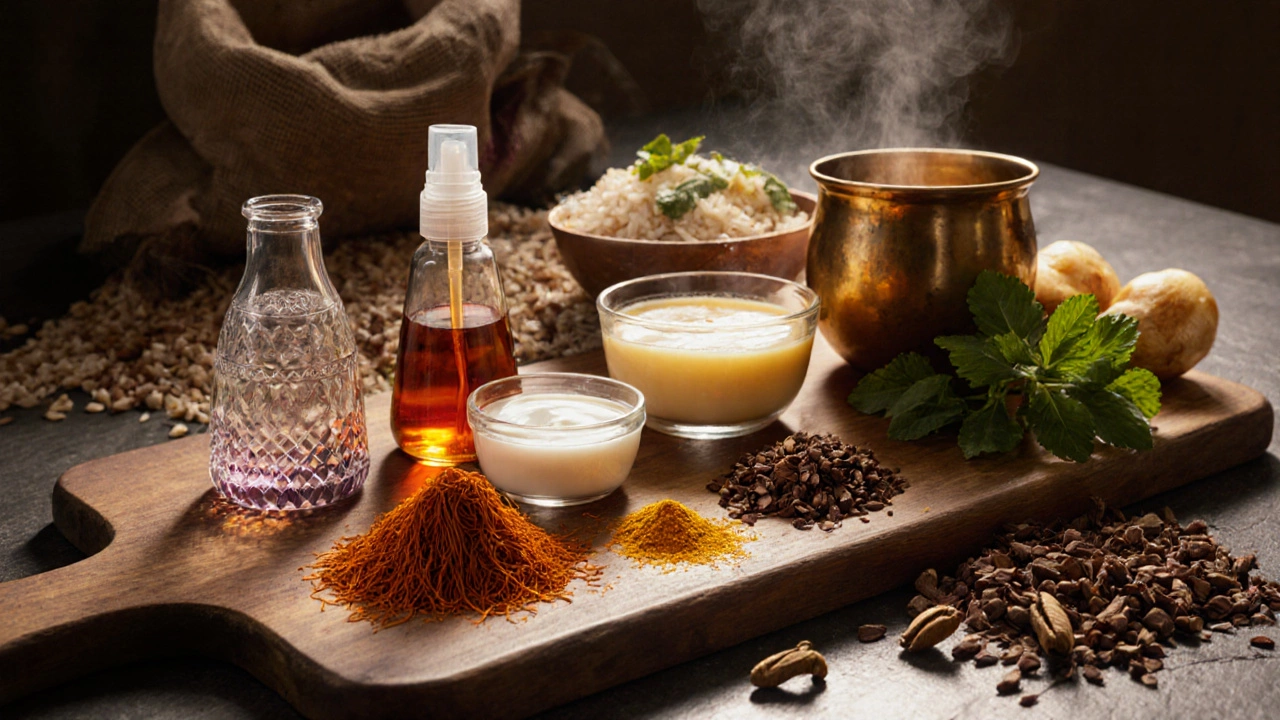
Discover the lesser‑known ingredients like saffron alternatives, kewra, rose water, fried onions, and more that turn ordinary biryani into a flavor masterpiece.
When you think of authentic biryani, a layered rice dish with spiced meat, aromatic herbs, and slow-steamed flavor. It's not just food—it's a ritual passed down through generations in kitchens across India. What makes one biryani unforgettable and another just okay? It’s not the amount of saffron or the cut of meat. It’s the details most people skip.
biryani spices, a blend of whole spices like cardamom, cloves, and bay leaves, toasted and ground just right need time to bloom. Add them too early and they turn bitter. Too late and they taste raw. The best cooks toast them in ghee until the aroma hits your nose before the meat even goes in. Then there’s the rice for biryani, long-grain basmati soaked, drained, and parboiled to just under al dente. If it’s too soft before layering, it turns to mush when steamed. Too hard, and you’re chewing gravel. And layering? That’s the magic. Meat at the bottom, then rice, then more meat, fried onions, saffron milk, and fresh herbs on top. Seal it with dough or foil. Let steam do the work—no stirring, no peeking.
Some people add yogurt to tenderize. Others use rose water. But the real secret? Patience. The steam needs at least 30 minutes on low heat. Rush it, and the flavors never marry. You’ll get a pot of tasty rice and meat—but not biryani. This is the kind of dish that lives in memory. The kind your grandmother made, and your uncle still argues about. The posts below break down every step: how to pick the right rice, which spices to skip, how to fix soggy biryani, and why the dum method isn’t optional. No fluff. Just what actually works.
Discover the lesser‑known ingredients like saffron alternatives, kewra, rose water, fried onions, and more that turn ordinary biryani into a flavor masterpiece.