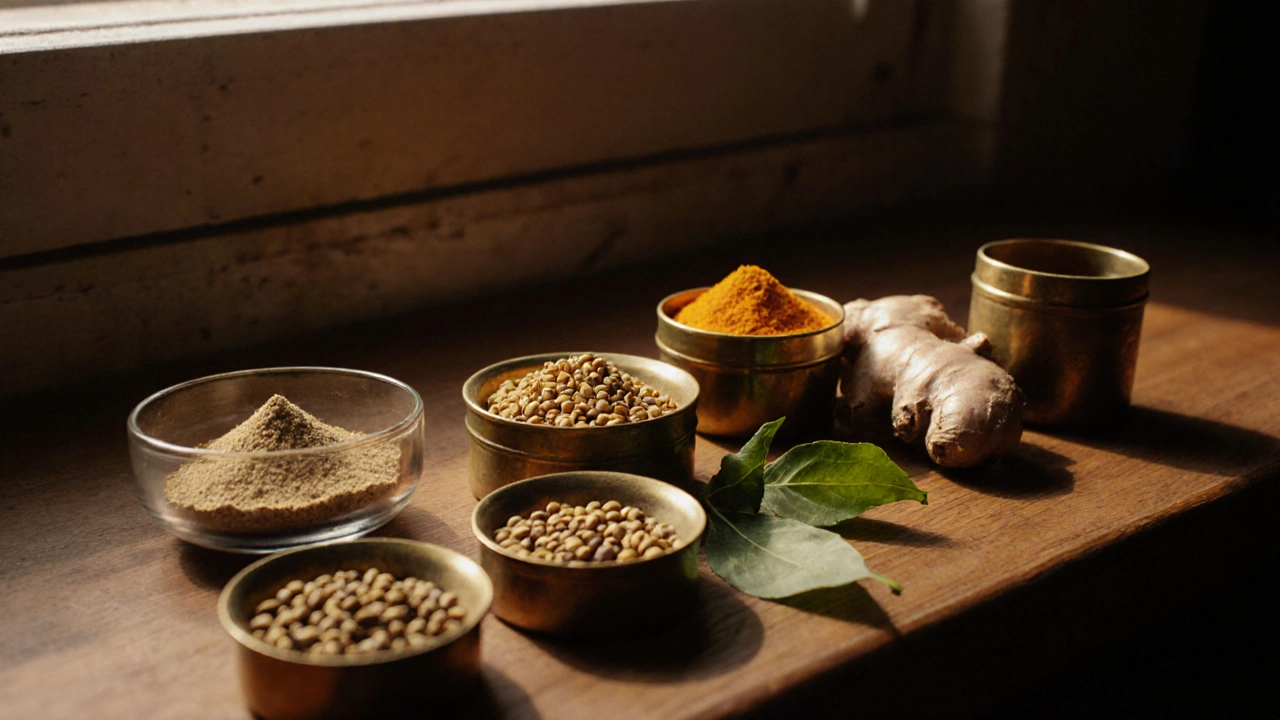
Asafoetida: The Powerful Spice Behind Indian Flavors
When you think of Indian kitchens, you might picture turmeric, cumin, or chili—but asafoetida, a pungent resinous gum used as a spice in Indian cuisine and food manufacturing. Also known as hing, it’s the secret ingredient that ties together the deep, savory notes in dals, curries, and pickles without ever being eaten raw. It smells strong—almost like sulfur or rotten eggs—when raw, but when fried in hot oil, it transforms into something warm, umami-rich, and deeply comforting. That’s why every Indian household and food manufacturer keeps a jar of it on hand.
Asafoetida isn’t just about flavor. It’s a digestive aid, traditionally used to reduce bloating and gas from beans and lentils. That’s why it’s a staple in dishes like urad dal curries and sambar. In food manufacturing, it’s added to packaged snacks, instant mixes, and ready-to-eat meals to replicate the authentic taste of home-cooked Indian food. Unlike artificial flavorings, asafoetida delivers complexity naturally, which is why it’s preferred over synthetic additives in high-quality products. It’s also a key component in vegan cooking, where it mimics the savory depth of garlic and onion—making it indispensable for those avoiding alliums.
Asafoetida is harvested from the roots of Ferula plants, mostly grown in Iran and Afghanistan, then processed and blended with rice flour or wheat flour to make it usable in kitchens. The best quality is deep amber in color and smells sharp but clean. Lower grades, often found in mass-market products, can be chalky or overly bitter. That’s why food manufacturers who care about taste source it carefully—just like they do with paneer or urad dal. In India’s food production landscape, asafoetida is one of those small ingredients that makes a big difference. You won’t find it in Western supermarkets often, but in every Indian kitchen, it’s non-negotiable.
Whether you’re making a simple dal, a spicy curry, or a packaged snack, asafoetida is the quiet backbone of flavor. It doesn’t shout—it lingers. And once you know how to use it, you’ll never cook Indian food without it. Below, you’ll find real guides on how it’s used in everyday cooking, how manufacturers handle it at scale, and why it’s more than just a spice—it’s a tradition in powder form.