Small Scale Manufacturing Examples: Real Business Models for 2026
Small Scale Manufacturing Viability & Investment Planner
Slide each criterion from 1 (weak fit) to 5 (strong fit). These are the traits the article says separate viable small manufacturers from failed ventures.
| Attribute | Specialty Food Processing | Custom Metal Fabrication | Textile Printing Studio |
|---|
Most people picture a small business as a coffee shop or a freelance design studio. But when we talk about small scale manufacturing, we are looking at something different: physical goods produced in limited quantities, often with specialized equipment or skilled labor. These operations sit right between handcrafting and mass industrial production. They are the backbone of local economies because they keep jobs close to home and supply niche products that big factories ignore.
If you are exploring this space, you need concrete examples, not just abstract definitions. A small scale unit is typically defined by its capital investment, workforce size, and annual turnover. In many regions, including India and parts of Europe, a 'small' manufacturer might employ fewer than 75 people and have an asset base under a specific threshold (often around $1-2 million depending on the country's regulations). The key trait? Agility. You can change product lines quickly, respond to local demand, and maintain higher quality control per unit than a massive assembly line.
Why Small Scale Manufacturing Still Matters in 2026
You might wonder why anyone would choose to run a small factory when global giants like Amazon or Alibaba dominate e-commerce. The answer lies in specialization and resilience. Large manufacturers suffer from high overheads and rigid supply chains. Small players thrive where customization is king. Think about artisanal food brands, custom furniture makers, or specialty chemical producers. These businesses build deep relationships with their customers. If a client wants a specific shade of paint or a unique flavor profile, a small batch producer can deliver it in weeks, whereas a large corporation might take months to approve a new SKU.
Furthermore, the rise of 'localization' trends has boosted demand for locally made goods. Consumers increasingly prefer products with shorter supply chains, which reduces carbon footprints and supports community trust. This shift creates a fertile ground for small scale units to capture market share without competing directly on price alone.
Concrete Examples of Small Scale Businesses
To make this tangible, let’s look at three distinct types of small scale manufacturing businesses that operate successfully today. Each represents a different sector, investment level, and skill set.
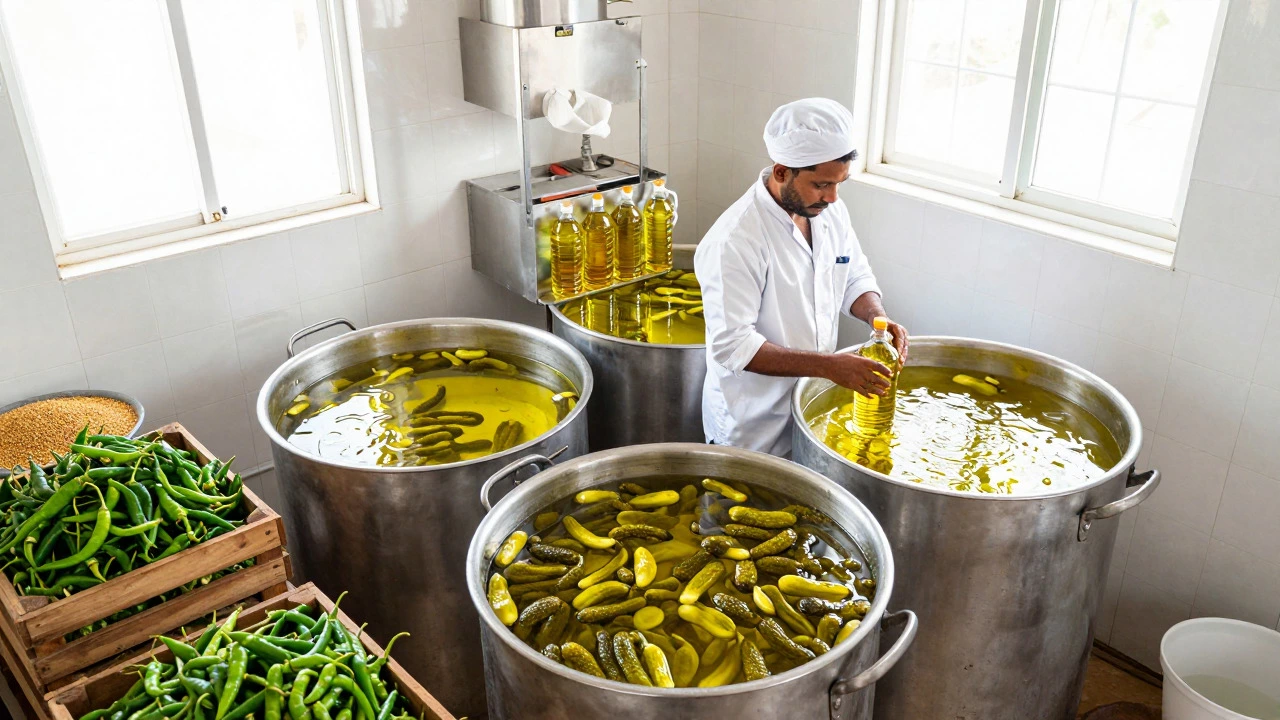
- Specialty Food Processing Unit: Imagine a facility producing organic pickles or cold-pressed oils. The setup requires stainless steel vats, packaging machines, and a clean room environment. The raw materials come from local farmers, ensuring freshness. The output is sold to regional grocery stores and online platforms. This model works because shelf life is managed through natural preservatives, and branding focuses on health benefits. Investment is moderate, but margins are healthy due to the premium pricing of organic goods.
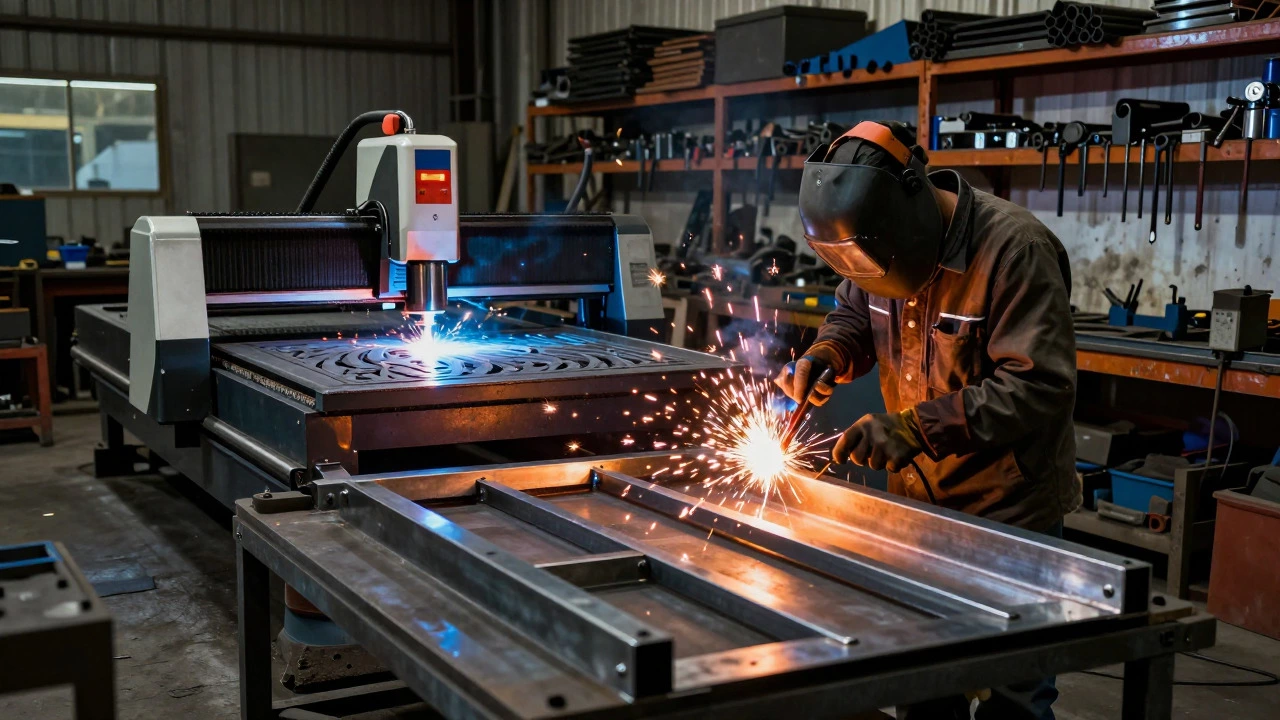
- Custom Metal Fabrication Workshop: This type of business doesn't mass-produce car parts. Instead, it takes orders from architects or engineers for bespoke railings, structural supports, or artistic installations. The core assets are CNC laser cutters, welding stations, and finishing booths. The workforce consists of skilled welders and machinists. Revenue comes from project-based contracts rather than continuous flow. This model thrives on precision and reliability. If one part fails, the reputation suffers, so quality checks are rigorous.
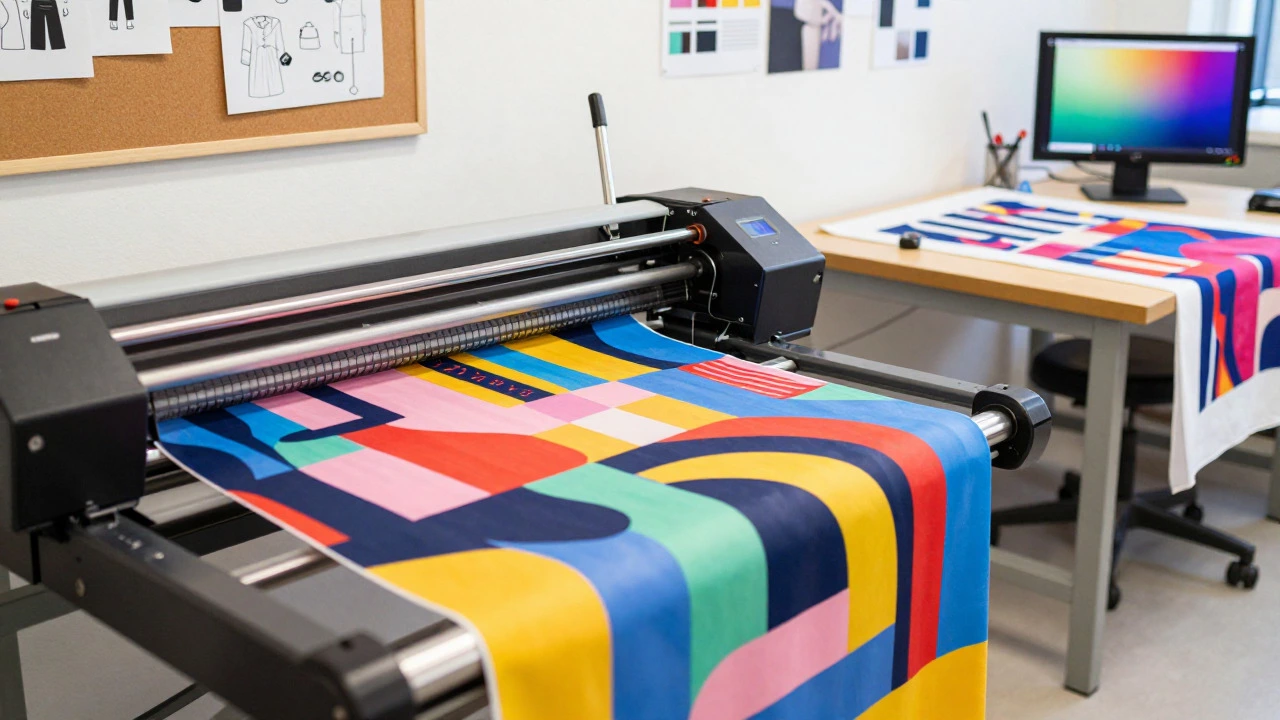
- Textile Printing Studio: A small unit dedicated to screen printing or digital sublimation on fabrics. It serves local boutiques, sports teams, and event organizers. The equipment includes printing presses, drying tunnels, and cutting tables. The advantage here is speed and design flexibility. Clients upload designs digitally, and the studio produces limited runs within days. This appeals to trend-driven markets where inventory risk must be kept low.
Notice the common thread: none of these compete on volume. They compete on value, speed, and relationship.
Key Attributes of a Viable Small Scale Manufacturer
Not every idea works as a small scale operation. To succeed, your business model needs specific attributes. Here is what separates viable small manufacturers from failed ventures.
- Low Minimum Order Quantities (MOQs): Your process must allow you to produce small batches efficiently. If your machinery requires 10,000 units to break even, you are not truly small scale; you are struggling medium scale.
- Modular Equipment: Machines should be scalable. Start with one unit, add another when demand grows. Avoid buying entire production lines upfront.
- Direct-to-Consumer (DTC) Capability: You need a channel to sell directly to end-users or local retailers. Relying solely on wholesalers squeezes your margins too thin.
- Regulatory Compliance: Depending on the product, you may need food safety certifications, environmental clearances, or quality standards. Budget time and money for this early.
| Attribute | Food Processing | Metal Fabrication | Textile Printing |
|---|---|---|---|
| Primary Skill Required | Food Safety & Hygiene | Welding & Machining | Design & Color Management |
| Typical Initial Investment | Medium ($50k - $150k) | High ($100k - $300k) | Low-Medium ($30k - $80k) |
| Production Speed | Batch-based (Days) | Project-based (Weeks) | Rapid (Hours-Days) |
| Customer Type | Retailers & Online | B2B Contractors | Boutiques & Events |
| Main Risk | Shelf Life Expiry | Material Cost Fluctuation | Trend Obsolescence |
Common Pitfalls to Avoid
Even with a solid idea, small manufacturers often stumble over operational details. One major mistake is over-investing in automation too early. You don’t need a robotic arm if ten people can do the job manually at a lower cost. Another trap is ignoring maintenance schedules. In a small workshop, if your main machine breaks down, production stops completely. There is no backup line. Keep spare parts and service contracts ready.
Also, watch out for cash flow gaps. Manufacturing involves paying for raw materials before you get paid for finished goods. This lag can kill a young business. Negotiate payment terms carefully and consider offering discounts for upfront payments to improve liquidity.
How to Choose Your Niche
Selecting the right product is half the battle. Look for niches where large manufacturers are inefficient. This usually means complex customization, short runs, or high-touch service. Ask yourself: Can I produce this faster or better than a big factory? Do I have access to unique raw materials or skills? If the answer is yes, you have a potential edge.
Validate your demand before building. Talk to potential customers. Create prototypes. Test the market with pre-orders. Once you have proof of concept, scale your equipment gradually. Remember, the goal of a small scale business is sustainability, not necessarily rapid expansion. Many successful owners stay small for decades, enjoying high profit margins and work-life balance.
Frequently Asked Questions
What is the minimum investment for starting a small scale manufacturing unit?
It varies widely by industry. Textile printing or candle making can start with under $20,000, while metal fabrication or food processing might require $50,000 to $150,000 for basic machinery and compliance. Always include working capital for raw materials and initial marketing in your budget.
Do small scale manufacturers need licenses?
Yes, almost always. Requirements depend on your location and product type. Food producers need health department permits. Chemical handlers need environmental clearances. Even simple assembly units often require a general business license and tax registration. Check with your local municipal authority for specific zoning laws regarding noise and waste disposal.
Can a small scale business compete with large corporations?
Yes, but not on price alone. You compete on agility, customization, and customer service. Large companies struggle with small order quantities and rapid design changes. By focusing on niche markets and building strong brand loyalty, small manufacturers can command premium prices and maintain profitability.
What is the difference between small scale and micro manufacturing?
Micro manufacturing typically refers to single-operator or very small team setups, often using desktop-grade machines like 3D printers or laser engravers. Small scale manufacturing usually implies a dedicated facility, multiple employees, and more robust industrial equipment. The line is blurry, but small scale generally handles higher volumes and more complex processes.
How do I find suppliers for small batch production?
Look for distributors who specialize in smaller lots, not just bulk wholesalers. Attend trade shows to meet suppliers face-to-face. Build relationships with local artisans or secondary processors who have excess capacity. Often, negotiating directly with the manufacturer rather than a middleman helps secure better terms for small orders.