Red Onion Marmalade vs. Chutney: What's the Difference?
Condiment Selector: Marmalade vs. Chutney
Quick Guide: Confused by the jars? Use this tool to identify which condiment fits your meal, or compare their key differences side-by-side.
Which one do I need?
Select the scenario that best matches your current meal to get a recommendation.
Go with Red Onion Marmalade!
The smooth texture and high sweetness provide a perfect counterpoint without overpowering delicate flavors or clashing with sharp cheeses.
Go with Onion Chutney!
The chunky texture and acidic spice profile cut through fat and complement complex spices, making it ideal for hearty, savory dishes.
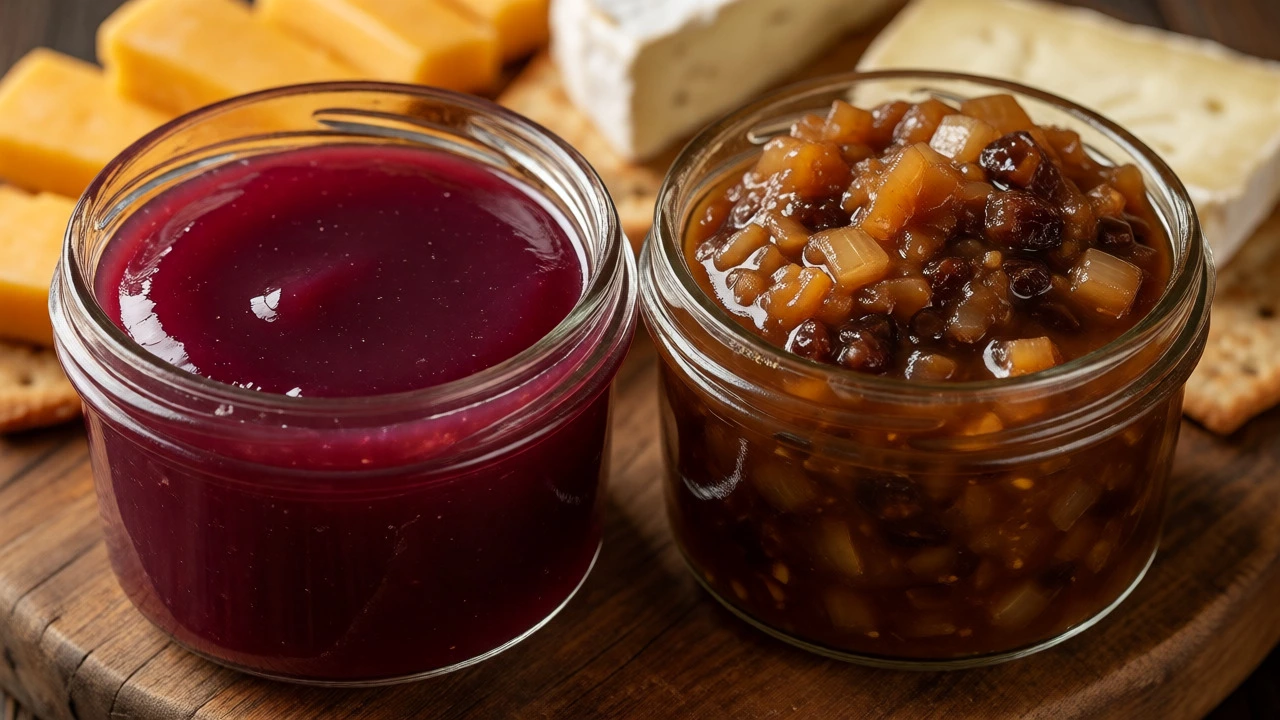
You’re standing in front of a cheese board, staring at two jars. One says Red Onion Marmalade. The other says Onion Chutney. They look identical-dark, glossy, sticky chunks of cooked-down onions suspended in syrup. You pick up a cracker, spread some on, and take a bite. Is there actually a difference? Or is this just marketing nonsense designed to make you buy two jars instead of one?
The short answer: they are close cousins, but not twins. While both fall under the broad umbrella of condiments made from fruit or vegetables cooked with sugar and vinegar, the distinction lies in texture, ingredient ratios, and culinary intent. If you’ve ever wondered whether you can swap one for the other in a recipe, or why your homemade batch turned out too runny, this guide breaks down exactly what separates these two pantry staples.
Defining the Contenders
To understand the difference, we have to look at where these foods come from. Marmalade has its roots in Europe, specifically Portugal and later Britain. Traditionally, it is a preserve made exclusively from citrus fruits-think Seville oranges, lemons, or limes. The defining characteristic of marmalade is the inclusion of peel or pith, which provides bitterness and structure. When you see "onion marmalade," you are looking at a modern adaptation that borrows the technique of marmalade-making (slow cooking to set the pectin) but applies it to alliums.
Chutney, on the other hand, originates from India. The word comes from the Hindi chaṭnī, meaning "to lick." Historically, chutneys were fresh, raw preparations using herbs, spices, coconut, or yogurt. However, when the British colonized India, they encountered preserved versions using sugar and vinegar, which they brought back home. This Anglo-Indian version evolved into the thick, sweet-sour spreads we know today. Unlike marmalade, chutney is rarely limited to one main ingredient; it’s a complex blend of fruits, vegetables, nuts, and intense spices.
| Feature | Red Onion Marmalade | Onion Chutney |
|---|---|---|
| Primary Texture | Smooth, jam-like, uniform suspension | Chunky, coarse, distinct pieces visible |
| Sugar Content | High (often 1:1 ratio with onions) | Moderate to High (balanced by acid/spice) |
| Vinegar Usage | Low to None (relies on natural acidity) | High (essential for preservation and tang) |
| Spice Profile | Minimal (maybe black pepper or thyme) | Complex (ginger, mustard seeds, chili, cloves) |
| Culinary Role | Sweet counterpoint to salty meats/cheese | Flavor bomb for curries, sandwiches, burgers |
Texture and Consistency: The Visual Test
If you open two jars side-by-side, the first thing you’ll notice is how they move. Marmalade is engineered for spreadability. It should be viscous enough to hold its shape on a knife but fluid enough to coat a piece of toast evenly without clumping. The onion pieces in a good red onion marmalade are sliced thinly and cooked until they dissolve slightly into the syrup, creating a cohesive gel. This happens because onions contain natural pectins, and when combined with high sugar content and slow heat, they break down into a smooth mass.
Chutney tells a different story. Look closely, and you will likely see distinct cubes of onion, raisins, sultanas, or even bits of ginger. Chutney is meant to have "bite" in every spoonful. It shouldn’t be perfectly homogeneous. If you’re making chutney, you want those individual ingredients to retain some structural integrity so they provide textural contrast against soft foods like roasted pork or creamy brie. If your chutney looks like marmalade, you probably overcooked it or cut the vegetables too small.
The Chemistry of Sweetness and Acid
Here is where things get technical, but stay with me-it matters for flavor balance. Marmalade relies heavily on sugar as a preservative and a flavor driver. In traditional British marmalades, the sugar-to-fruit ratio is often 50% or higher. With red onion marmalade, manufacturers lean into this sweetness to counteract the sharp, sulfurous punch of raw onions. The result is a product that tastes more like candy than a vegetable dish. It pairs well with strong flavors like Stilton or smoked salmon because it acts as a sweet bridge.
Chutney plays a balancing act between sweet, sour, and spicy. Vinegar is non-negotiable here. Most authentic chutney recipes call for malt vinegar, cider vinegar, or white wine vinegar in significant quantities. This acidity cuts through the richness of fatty meats and helps preserve the mix without needing excessive sugar. If you taste a jar labeled "chutney" and it tastes overwhelmingly like sugar water, it might actually be closer to a relish or a marmalade in disguise. A true chutney should leave a tingling sensation on your tongue from the vinegar and spices.
Ingredient Complexity: Simplicity vs. Layering
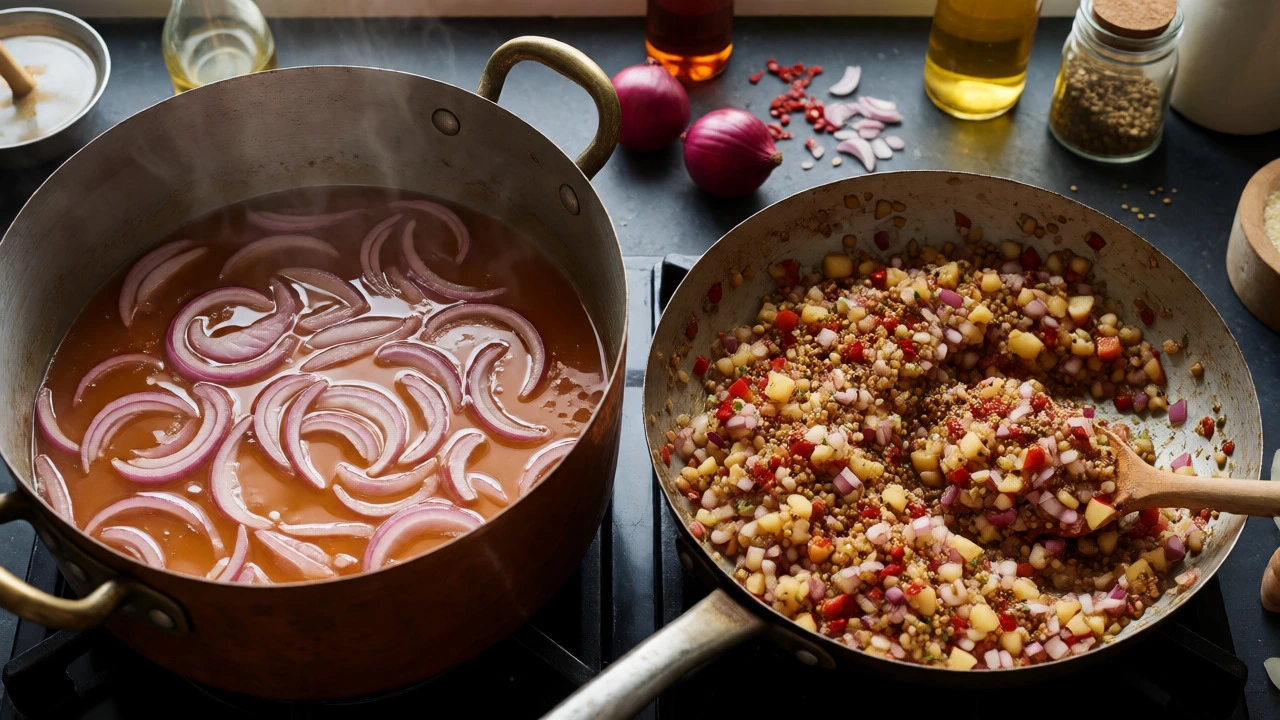
Open the ingredient list on a jar of red onion marmalade. You will typically see: onions, sugar, vinegar (sometimes), water, and perhaps a gelling agent like pectin or citric acid. Maybe a hint of black pepper or bay leaf. It is a minimalist approach. The goal is to highlight the natural caramelization of the red onion itself. The deep purple color is a sign of long, slow cooking, turning the sugars brown and intensifying the flavor.
Now look at an onion chutney. The list reads like a spice rack exploded. You’ll find apples or pears (for body), raisins or currants (for chewiness), ginger, garlic, mustard seeds, turmeric, chili flakes, and sometimes tamarind paste. Chutney is a vehicle for complexity. It isn’t just about the onion; it’s about how the onion interacts with cumin, coriander, and heat. This makes chutney far more versatile in Indian-inspired dishes, where the spice profile needs to complement curry powders or garam masala.
When to Use Which (And Can You Swap Them?)
So, can you use them interchangeably? Technically, yes. But you’ll change the outcome of your meal. Here is a quick decision tree for your next dinner party:
- Use Red Onion Marmalade if: You are serving a cheese platter. The sweetness complements sharp cheddars, blues, and hard aged cheeses better than the spiciness of chutney. It also works beautifully on a simple roast beef sandwich where you want a sweet glaze effect.
- Use Onion Chutney if: You are eating a burger, hot dog, or pulled pork. The acidity and chunkiness cut through fat and grease. It’s also essential for Indian-style snacks like samosas or pakoras, where the spice profile matches the filling.
- The Hybrid Approach: Many chefs now make "marmalade-chutney hybrids." These use the smooth texture of marmalade but add extra spices like chili or ginger. If you see a label saying "Spiced Red Onion Relish," it’s likely sitting right in the middle.
A common mistake is using chutney on delicate fish. The heavy spices can overpower the subtle flavor of cod or sole. Marmalade, being simpler, is safer there. Conversely, putting plain marmalade on a lamb curry feels flat because it lacks the aromatic depth needed to stand up to the meat.

DIY Tips: Making Your Own
If you want to try making these at home, here are the critical rules to avoid disaster.
For Marmalade: Patience is key. Slice your red onions very thin. Cook them low and slow. If you crank up the heat, the onions will burn before the sugar dissolves properly, leaving you with bitter, burnt shards. Do not rush the setting point. You want a jammy consistency, not a syrup. Adding a splash of balsamic vinegar at the end can deepen the color and add complexity without making it taste like chutney.
For Chutney: Don’t fear the vinegar. Add it early in the cooking process so the harsh edge cooks off, leaving only the tang. Balance is everything. Taste as you go. If it’s too sweet, add more vinegar. If it’s too sharp, add a little more sugar or apple. For texture, dice your onions uniformly so they cook evenly. If you want a smoother chutney, pulse half of it in a blender after cooking, then stir it back into the chunky half.
Storage and Shelf Life
Both products have long shelf lives due to the sugar and acid content, but they behave differently once opened. Unopened, both can last a year or more in a cool, dark cupboard. Once opened, keep them in the refrigerator.
Marmalade tends to crystallize if stored too cold for too long, becoming grainy. Let it sit at room temperature for ten minutes before spreading. Chutney, because of its higher moisture content from added fruits or vinegar, can sometimes ferment if left out too long. Always use a clean, dry spoon to scoop it out. Introducing bread crumbs or butter residue into the jar can introduce bacteria and mold, ruining the whole batch within weeks.
Frequently Asked Questions
Is red onion marmalade healthy?
It depends on the brand, but generally, it is high in sugar. While onions offer antioxidants like quercetin, the large amount of added sugar required for preservation means it should be treated as a treat, not a health food. A teaspoon is fine; a spoonful adds significant calories.
Can I substitute chutney for marmalade in baking?
You can, but expect a savory twist. Chutney contains vinegar and spices that might clash with sweet baked goods like scones or cakes. Marmalade is safer for baking because its flavor profile is purely sweet-bitter. If you must use chutney, choose a mild apple-onion variety rather than a fiery mango or tomato chutney.
Why is my red onion marmalade bitter?
Bitterness usually comes from burning the sugar during the cooking process. Onions caramelize quickly. If the heat was too high, the sugars carbonized. Alternatively, some people include the green tops or outer skins of the onion, which can impart a bitter note. Stick to the inner layers and cook on low heat.
What is the difference between relish and chutney?
Relish is typically chopped finely and served cold or lightly pickled, focusing on crunch and freshness. Chutney is cooked down until soft and sticky, developing deeper, cooked flavors. Relish is often sweeter and less vinegary than chutney, though boundaries blur in commercial products.
Does red onion marmalade pair well with wine?
Yes. Its sweetness and acidity pair excellently with bold red wines like Shiraz or Zinfandel, especially when served with charcuterie. The tannins in the wine cut through the sugar, while the onion flavor complements the fruity notes in the wine. Avoid pairing it with light whites, as the marmalade will overwhelm them.