Most Profitable Small Scale Manufacturing Ideas for 2026
Small Scale Manufacturing Profitability Calculator
Input Parameters
Analysis Results
Enter values and click calculate to see your potential margins.
You don't need a sprawling factory or millions in venture capital to build a serious manufacturing business today. In fact, some of the highest profit margins in the industry right now come from operations that fit inside a garage or a small warehouse. The question isn't just about what you can make; it's about what yields the best return on your limited space and budget.
When we talk about profitability in small scale manufacturing, we are looking at three things: low raw material costs, high perceived value, and minimal overhead. If you get those three right, you can achieve gross margins of 40% to 70%, which dwarfs what most traditional large-scale factories see. Let's look at the specific sectors where this math works in your favor right now.
The Power of Niche Personalization
The biggest shift in manufacturing over the last five years is the move away from mass production toward personalization. Consumers are tired of generic items. They want products that reflect their identity. This trend is the golden ticket for small manufacturers because it allows you to charge a premium price without competing on volume with giants like Amazon or Alibaba.
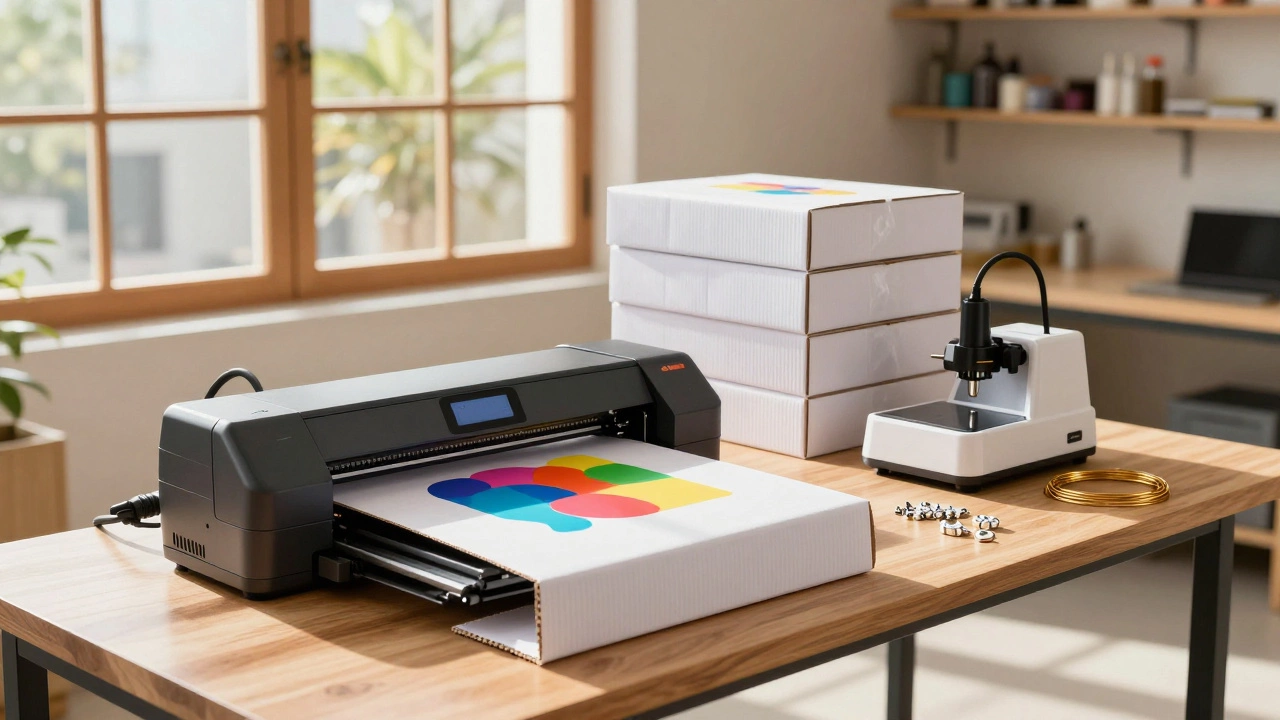
Custom packaging is one of the most accessible entry points here. Every e-commerce brand needs boxes, mailers, and inserts. Instead of trying to compete on price with massive corrugated cardboard plants, you focus on design and short runs. You buy standard white corrugated sheets and use digital printing or screen printing to add unique branding. The markup on custom-branded packaging can easily exceed 50%. You aren't selling cardboard; you're selling brand experience.
Similarly, personalized jewelry remains a powerhouse. With modern laser engraving machines and small-batch casting techniques, you can produce rings, necklaces, and bracelets with names, dates, or unique patterns. The cost of materials-silver, gold-filled wire, or even durable stainless steel-is relatively low compared to the retail price. A necklace costing £15 in materials can sell for £80-£120 if the branding and customization are strong. The key is speed; customers want these gifts quickly, and small shops can turn orders around in days, not weeks.
Sustainable Goods and Eco-Friendly Materials
Regulations are tightening globally, and consumer guilt is real. Companies are actively replacing plastic with biodegradable alternatives, creating a booming market for eco-friendly manufacturing. This isn't just a trend; it's a structural shift in supply chains.
Consider biodegradable packaging. Products made from cornstarch, bagasse (sugarcane fiber), or mushroom mycelium are in high demand for food delivery and retail. The raw materials are often agricultural byproducts, making them cheap. The processing requires heat and pressure molding, which can be done with mid-sized industrial presses. Because these products solve a regulatory and ethical problem for businesses, they command higher prices than traditional plastics.
Another angle is upcycled fashion accessories. Taking waste leather from larger furniture or automotive manufacturers and turning it into bags, wallets, or belts adds significant value. You are essentially paying for waste but selling luxury goods. The story behind the product-"made from reclaimed leather"-is a powerful marketing tool that justifies a premium price point. Margins here can hit 60%+ because the input cost is near zero if you source correctly.
Home Decor and Functional Art
The home improvement sector never truly sleeps. People always renovate, redecorate, or move. Small-scale manufacturers can dominate this space by focusing on aesthetic appeal rather than utility alone.
Handmade candles and soaps might sound cliché, but the numbers speak for themselves when done right. The raw materials-wax, essential oils, fragrance oils, and molds-are inexpensive. The profit lies in scent profiles, jar aesthetics, and branding. A candle that costs £3 to make can sell for £20-£30. The barrier to entry is low, but the competition is high, so success depends heavily on niche targeting (e.g., pet-friendly scents, meditation-focused blends) and beautiful packaging.
For those with more technical skills, woodworking offers robust returns. Specifically, think about small furniture items like side tables, floating shelves, or custom cutting boards. Wood is a commodity, but craftsmanship is not. Using CNC routers for precision combined with hand-finishing creates a product that feels bespoke. A set of wooden serving boards costing £10 in timber and labor can sell for £60+. The key is consistency in finish and quality control.

Specialty Food Processing
If you have access to local agriculture, processing raw ingredients into shelf-stable goods is incredibly profitable. Raw commodities have thin margins; processed foods have thick ones.
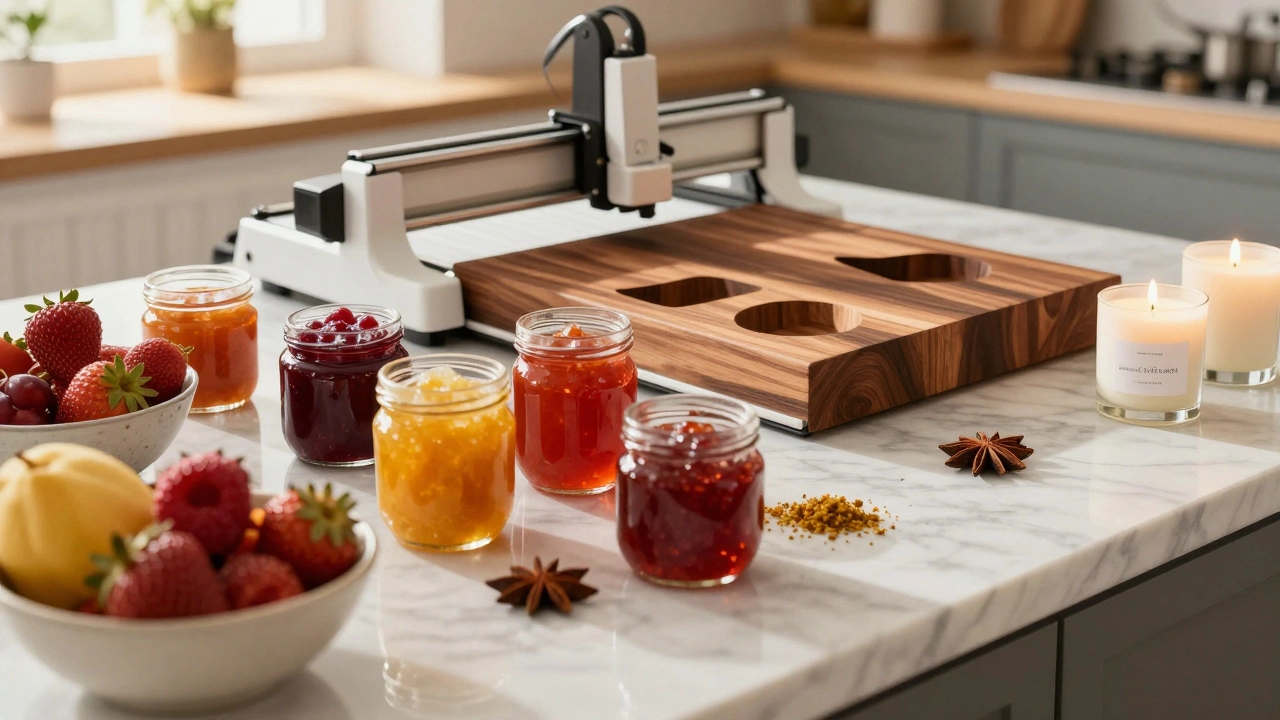
Artisanal jams and preserves are a classic example. Fruit is seasonal and cheap during harvest. By adding sugar, pectin, and jars, you create a product with a long shelf life. The markup on artisanal fruit spreads is typically 300-500%. The same logic applies to specialty sauces, hot sauces, or spice blends. The ingredient cost is negligible compared to the final retail price, especially if you target gourmet or health-conscious markets (e.g., organic, keto-friendly, no-preservatives).
Another growing area is plant-based protein snacks. As demand for meat alternatives grows, small-batch producers can experiment with textures and flavors that big corporations are too slow to adopt. Extruding pea protein or chickpea flour into crunchy snacks requires specialized equipment but offers high margins due to the "health food" premium.
Technical Components and Prototyping
Don't overlook B2B opportunities. Other businesses need parts, and they often prefer working with agile local suppliers rather than waiting months for overseas shipments.
CNC machining services allow you to cut metal, plastic, or wood parts with extreme precision. If you own a few CNC mills or lathes, you can service local engineers, hobbyists, and small startups. The hourly rate for CNC time is high, and the material waste is minimal. This is less about branding and more about reliability and speed.
Similarly, 3D printing farms are becoming viable businesses. While desktop printers are common, industrial-grade resin or filament printers can produce end-use parts for medical devices, aerospace prototypes, or custom enclosures. Offering rapid prototyping services to designers and inventors creates a steady stream of high-value work. You are selling time and expertise, not just plastic.
How to Choose Your Path
Not every idea will work for you. Profitability depends on your location, skills, and initial capital. Here is a quick framework to evaluate your options:
- Margins vs. Volume: High-margin items (jewelry, custom packaging) require fewer sales to break even. Low-margin items (commodity plastics) require massive volume.
- Shelf Life: Perishable goods (food) carry risk. Durable goods (wood, metal) do not. Factor in storage costs.
- Regulatory Hurdles: Food and cosmetics require strict compliance and testing. Apparel and decor have fewer barriers.
- Scalability: Can you automate the process? Hand-painted ceramics are hard to scale; injection-molded phone cases are easy.
Start small. Test the market before buying heavy machinery. Use pre-orders or Etsy listings to validate demand. Once you have consistent orders, invest in better equipment to reduce labor costs and increase throughput.
Common Pitfalls to Avoid
Many small manufacturers fail not because their product is bad, but because their unit economics are wrong. Watch out for:
- Underpricing: Don't forget to factor in packaging, shipping, payment processing fees, and your own labor. Price based on total cost plus desired profit, not just material cost.
- Overstocking: In small batch manufacturing, inventory is cash tied up. Produce on demand or keep safety stock low until demand is proven.
- Ignoring Marketing: Great products don't sell themselves. Invest in photography, social media, and SEO early. Your online presence is your storefront.
The most profitable manufacturing business is the one that solves a specific problem for a specific group of people efficiently. Whether it's helping a boutique brand look professional with custom boxes or helping a fitness enthusiast find a clean protein snack, the principle remains the same: add value, keep costs low, and charge fairly.
What is the easiest small scale manufacturing business to start?
The easiest entry point is usually custom packaging or handmade candles/soaps. These require minimal upfront investment, simple equipment, and have immediate market demand. You can start from home with basic tools and scale as revenue grows.
How much profit can I make from small scale manufacturing?
Profit margins vary widely but typically range from 30% to 70%. High-margin niches like personalized jewelry, specialty food items, and eco-friendly packaging often see margins above 50%. Lower-margin areas like commodity plastics may see 10-20% but rely on volume.
Do I need a license to start a manufacturing business?
Yes, requirements depend on your location and product type. Generally, you need a business license. If you manufacture food, cosmetics, or children's toys, you will need additional certifications and safety testing to comply with local regulations.
Is CNC machining profitable for beginners?
CNC machining can be very profitable, but it has a steep learning curve. It requires technical knowledge of CAD/CAM software and machine operation. However, once mastered, it offers high hourly rates and consistent B2B demand for precision parts.
What are the lowest investment manufacturing ideas?
Low-investment ideas include soap making, candle crafting, screen printing t-shirts, and assembling kits (like gift baskets or craft supplies). These require minimal equipment and raw materials, allowing you to test the market with little financial risk.