Is It Safe to Eat Fruit in India? A Traveler's Guide
India Fruit Safety Checker
Select a fruit and how you plan to eat it to see your risk level and safety tips.
Note: This tool provides general guidelines based on common traveler experiences. Individual immune systems vary. When in doubt, boil water or peel it yourself.
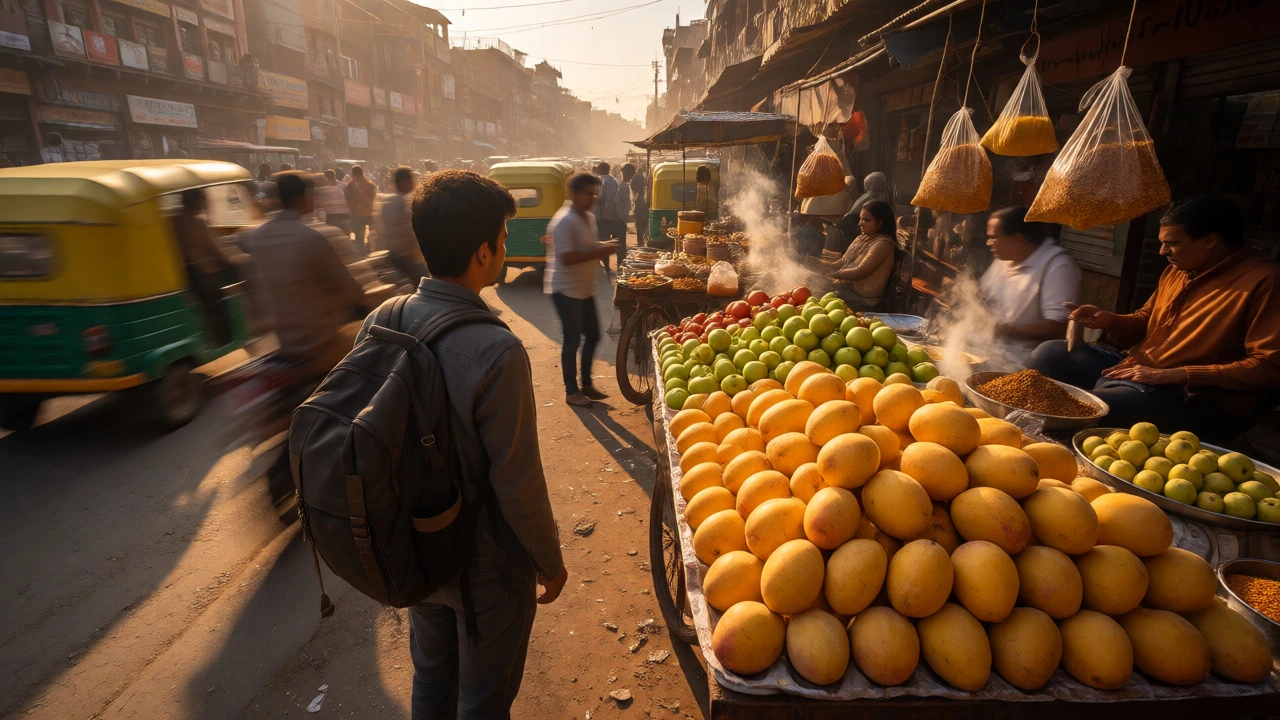
You’re standing on a bustling street corner in Delhi or Mumbai. The air smells of spices and exhaust. A vendor nearby has a pyramid of bright yellow mangoes or crisp green apples. Your mouth waters. But then that familiar hesitation kicks in: is it safe to eat fruit in India? You’ve heard the horror stories about "Delhi Belly" and waterborne illnesses. Do you skip the fruit entirely and live on bottled water and packaged biscuits for two weeks? Or do you take the risk?
The short answer is: yes, it is generally safe, but not if you treat it like eating an apple in London. The rules change here. It’s less about the fruit itself being poisonous and more about how it was handled, washed, and stored. As someone who has navigated Indian markets from Kerala to Kashmir, I can tell you that skipping fresh produce means missing out on some of the best flavors on earth. Let’s break down exactly how to eat fruit in India without ending up in a hospital bed.
Understanding the Hygiene Reality
To make smart choices, you need to understand what you’re actually worried about. When people get sick after eating raw produce in India, it’s rarely because the fruit is rotten. It’s usually due to bacteria like E. coli or Salmonella, or parasites like Giardia, introduced through contaminated water used for washing or cutting. In many parts of India, tap water isn’t potable. If a vendor washes their mangoes with untreated tap water, or uses a knife that hasn’t been sanitized since cutting meat earlier that day, that’s your vector for illness.
This doesn’t mean every street vendor is a hazard. Many operate with strict, albeit invisible, hygiene standards. They use filtered water for drinking but might use local water for cleaning heavy dirt off bananas. The key is distinguishing between high-risk and low-risk scenarios. Think of it as a game of probability. Eating a pre-cut watermelon slice sitting in the sun for four hours is a high-probability gamble. Peeling a banana yourself right before eating it is a near-zero risk.
The Peel-It-Yourself Rule
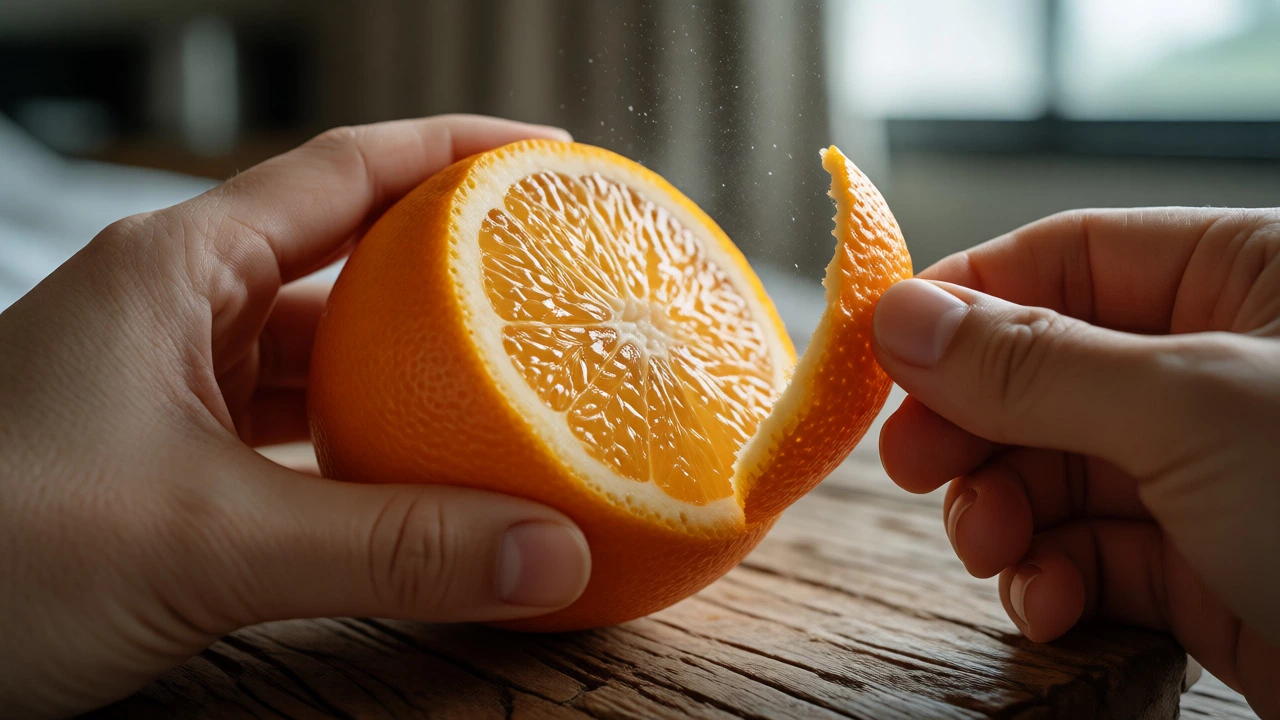
If you remember only one rule from this guide, let it be this: peelable fruits are your safest bet. Fruits with thick skins that you remove with your hands create a natural barrier between the edible flesh and any potential contaminants on the surface. Bananas, oranges, mandarin oranges, pomegranates, and coconuts fall into this category. You peel them yourself, exposing the clean interior directly to your mouth. No external washing required by the vendor.
Mangoes are tricky. While they have skin, the flesh is soft and juicy. If the vendor cuts the mango open for you, they are using a knife. Is that knife clean? Did they wipe it? In upscale hotels or reputable juice bars, yes. On the roadside? Maybe not. For mangoes, buy whole ones and peel them yourself with a clean knife at your accommodation, or find a vendor who peels them in front of you using gloves or freshly cleaned tools. Avoid mangoes that are already cut and displayed under glass unless you trust the source implicitly.
Fruits to Approach with Caution
Some fruits are inherently riskier because they don’t have a protective skin you can easily remove, or they are often served pre-cut. Berries, grapes, and apples are classic examples. You can’t peel a grape. You have to wash it. If the wash water is contaminated, you’re ingesting whatever was in that water. Apples sold on the street might look shiny and waxed, but that shine could be masking a layer of dust and microbes.
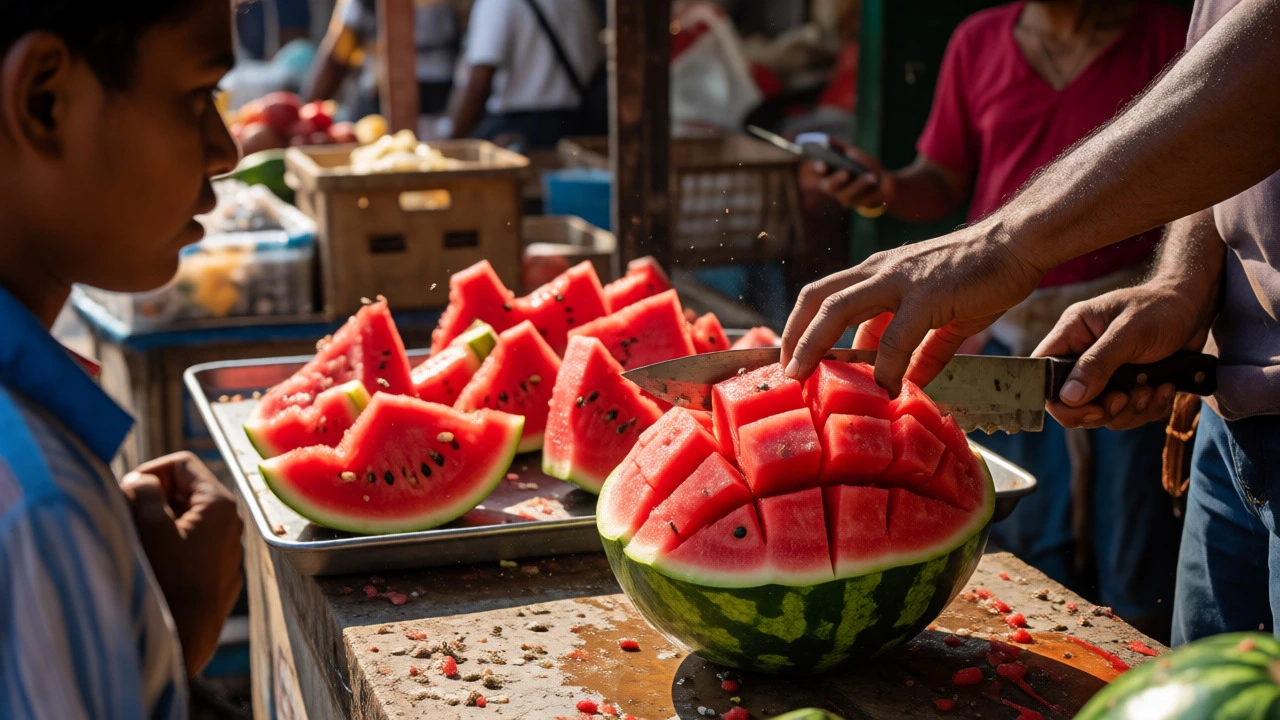
Watermelon and papaya are also frequent culprits. Why? Because they are large, often cut into cubes or slices, and left out in open-air carts. Bacteria thrive in warm, moist environments. A pile of watermelon chunks sitting in 35°C heat for six hours is a bacterial playground. If you want watermelon, buy a whole small one and ask the vendor to cut it fresh while you watch. Better yet, take it home and cut it yourself. Papaya is similar; ensure it’s ripe enough to scoop out cleanly, and avoid pieces that look dry or browned at the edges.
Where to Buy: Street vs. Market vs. Supermarket
Your choice of vendor significantly impacts safety. Here is a quick breakdown of the typical sources:
| Source Type | Risk Level | Why | Best Strategy |
|---|---|---|---|
| Street Carts | High | Pre-cut fruit exposed to dust/flies; unknown water source for washing. | Stick to peelable fruits (bananas, oranges). Watch the cutting process. |
| Local Vegetable Markets | Medium | Fresh stock but dirty environment. Wash with caution. | Buy whole fruits. Wash thoroughly at home with purified water. |
| Supermarkets (BigBasket, Reliance) | Low | Cold chain storage, better handling, packaged options available. | Safest for berries, apples, and non-peelables. Check expiry dates. |
| Hotel Buffets/Restaurants | Very Low | Commercial kitchens follow stricter hygiene protocols. | Enjoy freely, though freshness may vary compared to street markets. |
Supermarkets in major cities like Bangalore, Hyderabad, and Gurgaon have improved dramatically. Chains like BigBasket or Reliance Fresh offer fruits that are often sourced from cleaner supply chains. If you’re nervous, start here. You can buy packaged grapes or apples that haven’t been touched by dozens of customers’ hands. This eliminates the "street contact" variable entirely.
The Washing Protocol
If you buy fruits that cannot be peeled-like strawberries, cherries, or apples-you must wash them. But not with tap water. Use bottled mineral water or water that has been boiled and cooled. Add a pinch of salt or a drop of vinegar to help dislodge pesticides and microbes. Soak them for five minutes, then rinse with the same clean water.
A common mistake travelers make is assuming that buying "organic" or "local" means clean. In India, "local" often means grown nearby but potentially irrigated with mixed sewage water depending on the region’s infrastructure. Don’t rely on the label alone. Rely on your own cleaning process. And always dry the fruit with a clean paper towel or cloth before eating. Moisture left on the skin can harbor bacteria longer.
Seasonal Awareness Matters
Eating seasonally isn’t just a hipster trend in India; it’s a safety hack. Fruits in peak season are abundant, fresher, cheaper, and less likely to have been preserved with excessive chemicals or stored for months. In November, for example, you’ll find excellent citrus fruits like oranges and kinnow (a type of mandarin) across North India. These are easy to peel and very safe. Summer brings mangoes and litchis. Winter brings guavas and pomegranates.
Out-of-season fruits are often imported or heavily treated. An apple in Chennai during summer might have traveled a long way or sat in storage for weeks. Stick to what’s locally abundant. Not only will it taste better, but the turnover rate at stalls will be higher, meaning the fruit is fresher.
What About Juice?
Fresh fruit juice is tempting, especially in the heat. However, it’s one of the biggest causes of traveler’s diarrhea. Why? Because the juice is made from fruit that may have been washed in contaminated water, and the ice added to cool it down is almost certainly made from tap water. Unless you see the vendor squeezing the fruit right in front of you with clean hands and adding no ice (or asking for "no ice"), skip the juice bar.
Lassi and sugarcane juice are exceptions worth noting. Lassi is yogurt-based and acidic, which inhibits bacterial growth somewhat, but still, ensure it’s from a trusted place. Sugarcane juice is risky because the machine grinds the cane, and the internal mechanisms are rarely cleaned deeply. If you drink it, go to a busy stall where the volume ensures the machine runs constantly, reducing stagnation, and ask for extra lemon, which adds acidity.
Final Verdict: Trust Your Gut (Literally)
You don’t need to fear Indian fruit. You just need to respect the context. Millions of locals eat street fruit daily without issue because their immune systems are adapted to the local microbial load. As a visitor, your system needs a buffer. Start slow. Eat bananas and oranges first. Move to peeled mangoes. Try supermarket apples. Save the berry smoothies for established cafes.
Carry hand sanitizer. It’s obvious, but touching a fruit stand and then picking your nose or touching your lips transfers germs faster than the fruit itself. Keep your hands clean, choose peelable options when unsure, and wash non-peelables rigorously. Do this, and you’ll enjoy the incredible diversity of Indian produce-from the sweetness of Alphonso mangoes to the tartness of tamarind-without regret.
Can I eat raw vegetables in India too?
Raw vegetables carry a higher risk than most fruits because they are often grown in soil contaminated with manure and irrigated with uncertain water. Salads in restaurants are safer than raw veggies bought from street vendors. If you eat raw carrots or cucumbers, peel them or wash them meticulously with purified water.
Is it safe to eat fruit in rural areas of India?
Rural areas often have fresher produce straight from farms, which can be safer regarding chemical residues. However, hygiene standards and access to clean washing water may be lower than in cities. The "peel-it-yourself" rule becomes even more critical in rural settings. Avoid pre-cut fruits sold in remote villages unless you see them prepared immediately before consumption.
What should I do if I get sick after eating fruit?
Hydrate immediately with ORS (Oral Rehydration Solution) available at any pharmacy. Avoid dairy and spicy foods until symptoms subside. If you experience blood in stool, high fever, or dehydration that doesn't improve with fluids, seek medical attention. Antibiotics may be needed for bacterial infections, so consult a doctor rather than self-medicating.
Are organic fruits in India really pesticide-free?
Not necessarily. "Organic" labeling in informal markets can be misleading. Even certified organic fruits might be washed in non-potable water. Always wash organic produce just as you would conventional ones. The primary benefit of organic is reduced chemical residue, not necessarily microbiological safety.
Which fruits are safest for children traveling to India?
Bananas, oranges, and peeled apples are the safest options. Children have weaker immune defenses, so stick to fruits with thick skins that you peel yourself. Avoid street-side juices and pre-cut melons for young kids. Packaged dried fruits are also a safe, crunchy alternative if fresh options seem risky.