Is India the Biggest Textile Manufacturer? Global Leaders in 2026
Textile Manufacturing Strategy Advisor
Why this fits your criteria:
Select your requirements and click Analyze to see the optimal manufacturing partner.
Who actually makes your clothes? If you look at the tag on a shirt bought today, it might say "Made in China," "Made in Vietnam," or increasingly, "Made in India." The question of which country is the biggest textile manufacturer isn't as simple as picking one winner. It depends entirely on how you count: by total raw material output, by finished garments shipped, or by export value.
In 2026, the answer has shifted significantly from the last decade. While China remains the dominant force in synthetic fiber production and overall manufacturing volume, India has solidified its position as the world's second-largest exporter of textiles and garments, leading specifically in cotton-based products. This article breaks down who leads where, why the rankings are changing, and what this means for the global supply chain.
The Current Standings: Who Leads the Pack?
To understand the hierarchy, we need to separate the upstream process (making fibers and yarn) from the downstream process (cutting and sewing final apparel). These two stages often favor different countries due to varying costs in energy, labor, and logistics.
| Country | Primary Strength | Global Share (Approx.) | Key Materials |
|---|---|---|---|
| China | Total Output & Synthetics | ~35% of global exports | Polyester, Nylon, Blends |
| India | Cotton & Finished Garments | ~5% of global exports | Cotton, Jute, Silk |
| Vietnam | Garment Assembly | ~4% of global exports | Imported Fabrics |
| Bangladesh | Low-Cost Ready-Made Garments | ~3% of global exports | Cotton Imports |
| Turkey | High-End European Supply Chain | ~2% of global exports | Cotton, Wool |
China still holds the crown for total manufacturing tonnage. They produce more polyester fiber than the rest of the world combined. However, when we talk about textile manufacturers in India, the story is about quality, vertical integration, and the dominance of natural fibers. India is not just assembling clothes; it is growing the cotton, spinning the yarn, weaving the fabric, and dyeing it all within its borders.
Why India Is Gaining Ground Against China
For years, China was the undisputed king. But since 2020, several structural changes have tilted the playing field. Rising labor costs in China, coupled with geopolitical tensions and trade tariffs, forced major brands like H&M, Zara, and Nike to diversify their sourcing strategies. This is known as the "China Plus One" strategy.
India benefited directly from this shift. Here is why Indian textile manufacturers are becoming the preferred alternative:
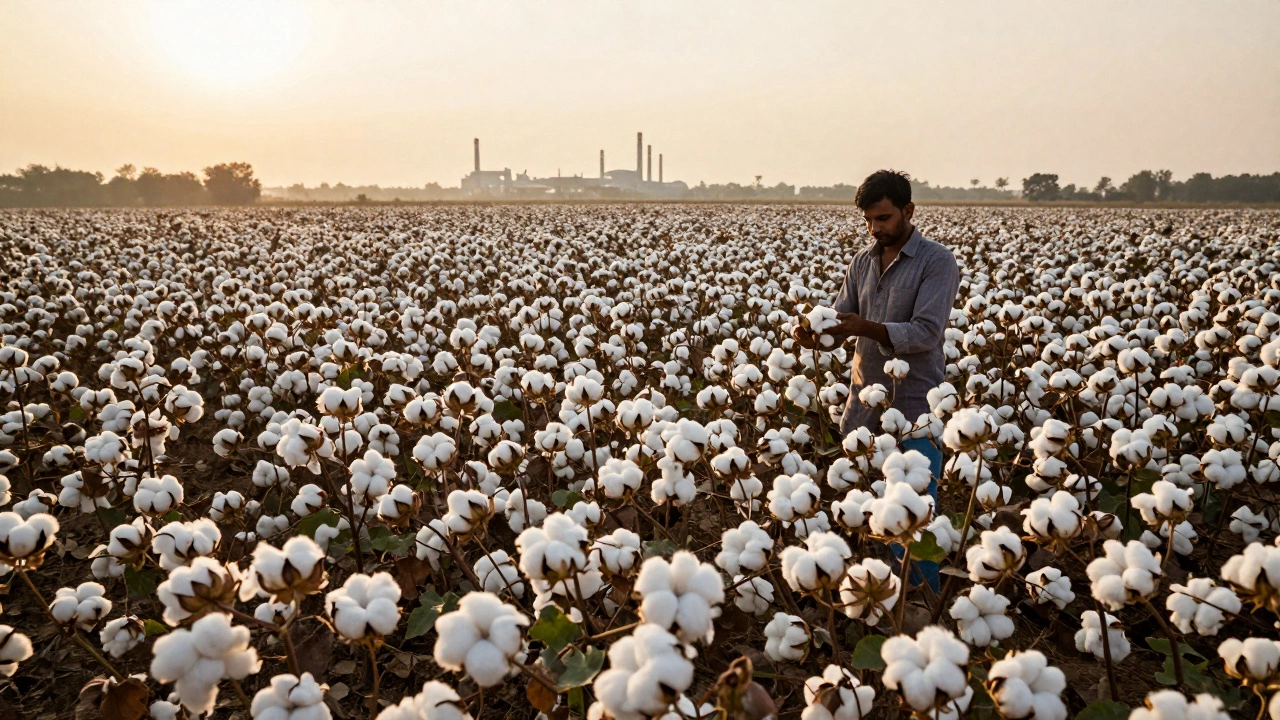
- Vertical Integration: Unlike Bangladesh or Vietnam, which mostly import fabric to sew into shirts, India produces its own raw materials. India is the world’s largest producer of cotton. This means less dependency on foreign supply chains for basic inputs.
- Policy Support: The Indian government introduced the Production Linked Incentive (PLI) scheme for textiles. This provided cash incentives to companies that expanded manufacturing capacity in India, attracting giants like Reliance Industries and foreign investors.
- Sustainability Push: Western buyers are demanding eco-friendly fabrics. India is a leader in organic cotton and traditional low-impact dyes. As regulations in the EU tighten regarding carbon footprints, Indian manufacturers are positioned to meet these standards better than high-energy-consuming factories elsewhere.
However, India is not yet the "biggest" in terms of sheer volume. China’s infrastructure for moving goods-ports, highways, and power grids-is still more efficient. An Indian factory might take longer to get a container to a port than a Chinese one. But the gap is closing fast.
The Role of Synthetic Fibers vs. Natural Cotton
A critical distinction in the 2026 market is the material used. The global textile industry is split between synthetics (polyester, nylon) and naturals (cotton, wool).
Polyester is a synthetic fiber made from petroleum chemicals, dominating the global market due to its low cost and durability. China controls over 70% of global polyester production. If you define "biggest manufacturer" by weight of fiber produced, China wins easily. Polyester is used in everything from athletic wear to home furnishings because it is cheap and versatile.
On the other hand, Cotton is a natural fiber harvested from plants, prized for breathability and comfort in apparel. India and the United States are the top producers here. India processes a massive amount of this cotton domestically. For casual wear, denim, and luxury fashion, India is often the go-to source. When you buy a premium t-shirt or jeans, there is a high chance they were cut and sewn in India.
This divergence explains why headlines often contradict each other. One report says China is #1 because it makes most of the plastic-based fibers. Another says India is rising because it dominates the cotton garment sector. Both are true, but they measure different parts of the same industry.
Other Key Players: Vietnam and Bangladesh
You cannot discuss the biggest textile manufacturers without mentioning Vietnam and Bangladesh. While neither produces significant raw fiber, they are assembly powerhouses.
Vietnam has become a top destination for garment assembly, particularly for footwear and apparel exported to the US and EU. Vietnamese factories excel at speed and compliance. They often import fabric from China or Korea, sew it quickly, and ship it out. Their advantage is trade agreements that allow duty-free access to major markets.
Bangladesh remains the second-largest exporter of ready-made garments after China, specializing in high-volume, low-cost basics like t-shirts and sweatshirts. Brands like Walmart and Target source heavily from Bangladesh. However, Bangladesh faces challenges in upgrading its infrastructure and moving up the value chain to make higher-quality fabrics. India, by contrast, is trying to do both: mass production and high-end design.
Challenges Facing Indian Textile Manufacturers
Despite the growth, being the biggest isn't guaranteed. India faces specific hurdles that keep it behind China in total volume.
- Infrastructure Bottlenecks: Ports in India can be congested. Logistics costs account for a higher percentage of the final product price compared to China. This makes Indian exports slightly more expensive.
- Fragmented Industry Structure: A large part of India’s textile sector is unorganized small businesses. While this provides flexibility, it lacks the scale of massive integrated mills found in China. Consolidation is happening, but slowly.
- Power Costs: Electricity rates in some Indian states are higher than in China. Since textile processing (dyeing and finishing) is energy-intensive, this impacts profitability.
- Competition from Africa: Agreements like AGOA (African Growth and Opportunity Act) give African nations preferential access to the US market. Countries like Ethiopia are investing heavily to capture the low-cost garment segment that India currently holds.
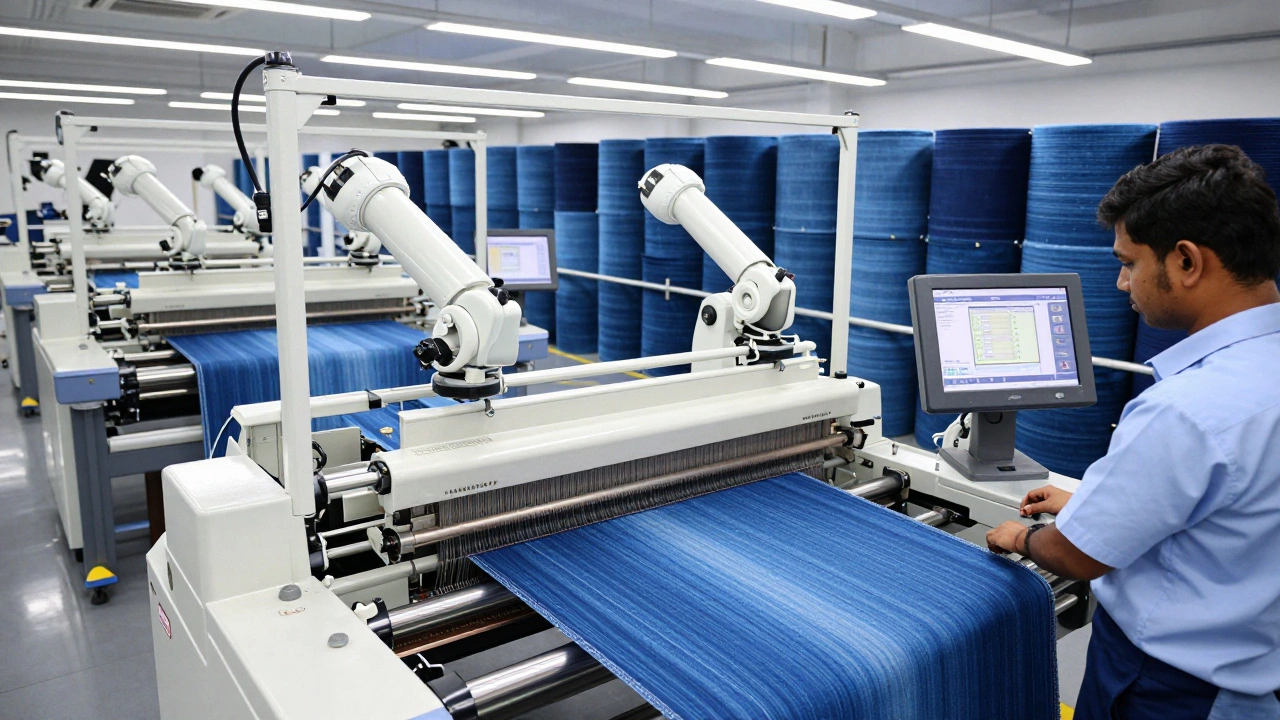
To overcome these, Indian manufacturers are focusing on automation. By using robotic looms and AI-driven quality control, they reduce reliance on manual labor and improve consistency. This helps compete on price while maintaining quality.
Future Outlook: Will India Overtake China?
By 2030, will India be the biggest textile manufacturer? Most analysts say unlikely in terms of total tonnage, but possible in terms of garment exports.
China is moving up the value chain too. They are producing more high-tech textiles-fabrics used in medical devices, aerospace, and smart clothing. They are leaving the low-margin t-shirt business to others. India is capturing that low-margin volume but also aiming for mid-range premium brands.
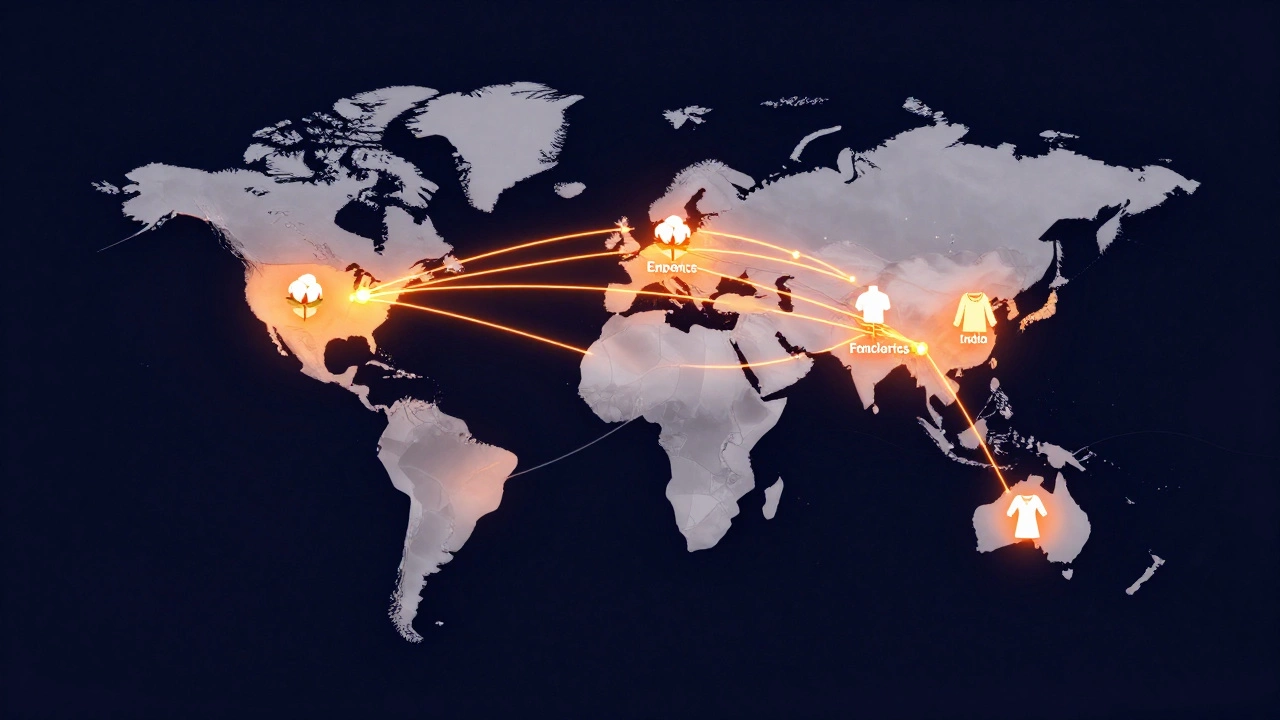
The trend suggests a multipolar world. Instead of one single biggest manufacturer, we will see clusters:
- China: Synthetics, high-tech fabrics, and complex assemblies.
- India: Cotton, denim, and sustainable natural fibers.
- Vietnam/Bangladesh: Fast fashion assembly and basic apparel.
For buyers, this diversity is good news. It reduces risk. If one country faces a strike, a pandemic, or a tariff war, orders can shift to another. India’s role as a stable, vertically integrated supplier of cotton goods makes it indispensable.
How to Choose a Textile Partner in 2026
If you are a brand looking to manufacture clothes, here is how to decide between these giants:
- Choose China if: You need synthetic blends, quick turnaround times, and complex technical fabrics. Best for sportswear and performance gear.
- Choose India if: You prioritize cotton, sustainability, and want a partner who controls the entire supply chain from farm to finish. Best for denim, casual wear, and luxury brands.
- Choose Vietnam if: You need cost-effective assembly for large volumes of basic items and have easy access to imported fabrics.
- Choose Bangladesh if: Price is the only factor and you are producing high-volume basics like plain t-shirts and hoodies.
The "best" manufacturer depends on your product mix. There is no single winner anymore. The era of relying solely on one country is over.
Is India bigger than China in textile manufacturing?
No, China is still larger in total manufacturing output, especially in synthetic fibers like polyester. However, India is the second-largest exporter globally and leads in cotton-based garment production. India is growing faster in the garment sector, while China dominates raw material production.
What is India's main advantage in the textile industry?
India's main advantage is vertical integration in cotton. It grows the cotton, spins the yarn, weaves the fabric, and manufactures the final garment domestically. This reduces dependency on imports and ensures better control over quality and sustainability compared to countries that only assemble imported fabrics.
Why are brands moving manufacturing from China to India?
Brands are diversifying due to rising labor costs in China, geopolitical risks, and trade tariffs. India offers a competitive alternative with lower wages, a large domestic market, and government incentives like the PLI scheme. Additionally, India's focus on sustainable cotton appeals to eco-conscious consumers.
Which country produces the most polyester?
China produces the majority of the world's polyester, accounting for over 70% of global output. Polyester is a synthetic fiber derived from petroleum, and China's chemical industry infrastructure gives it a massive lead in this segment.
Is Bangladesh a bigger textile manufacturer than India?
In terms of ready-made garment exports, Bangladesh is a close competitor and sometimes ranks higher in specific categories like basic t-shirts. However, India has a broader industrial base, producing raw fibers and fabrics as well as garments. India's total textile GDP is larger than Bangladesh's.