How Much Money Do You Need to Start a Factory? A Realistic Cost Breakdown
Factory Startup Cost Estimator
Configuration
Estimated Cost Breakdown
- Capital Expenditure (CapEx) $0
- Facility Fit-Out & Renovation $0
- Regulatory Compliance & Legal $0
- Operating Reserve (OpEx Buffer) $0
- Total Estimated Investment $0
Most people imagine starting a factory involves millions of dollars, towering smokestacks, and endless rows of robotic arms. The reality is far more nuanced. You can start a small-scale manufacturing unit with as little as $10,000, or you might need $5 million for a mid-sized assembly plant. The difference isn't just luck; it's the type of product, the level of automation, and your location.
If you are looking at manufacturing business ideas that fit into a garage or a small warehouse, your financial barrier to entry drops significantly. However, if you aim for high-volume production with strict regulatory compliance, the costs scale up rapidly. Understanding exactly where the money goes is the only way to build a realistic budget.
The Three Tiers of Factory Startup Costs
To give you a concrete answer, we need to break down factories into three distinct tiers based on complexity and scale. This helps in identifying which bucket your specific idea falls into.
| Tier | Typical Investment Range | Example Industries | Key Cost Drivers |
|---|---|---|---|
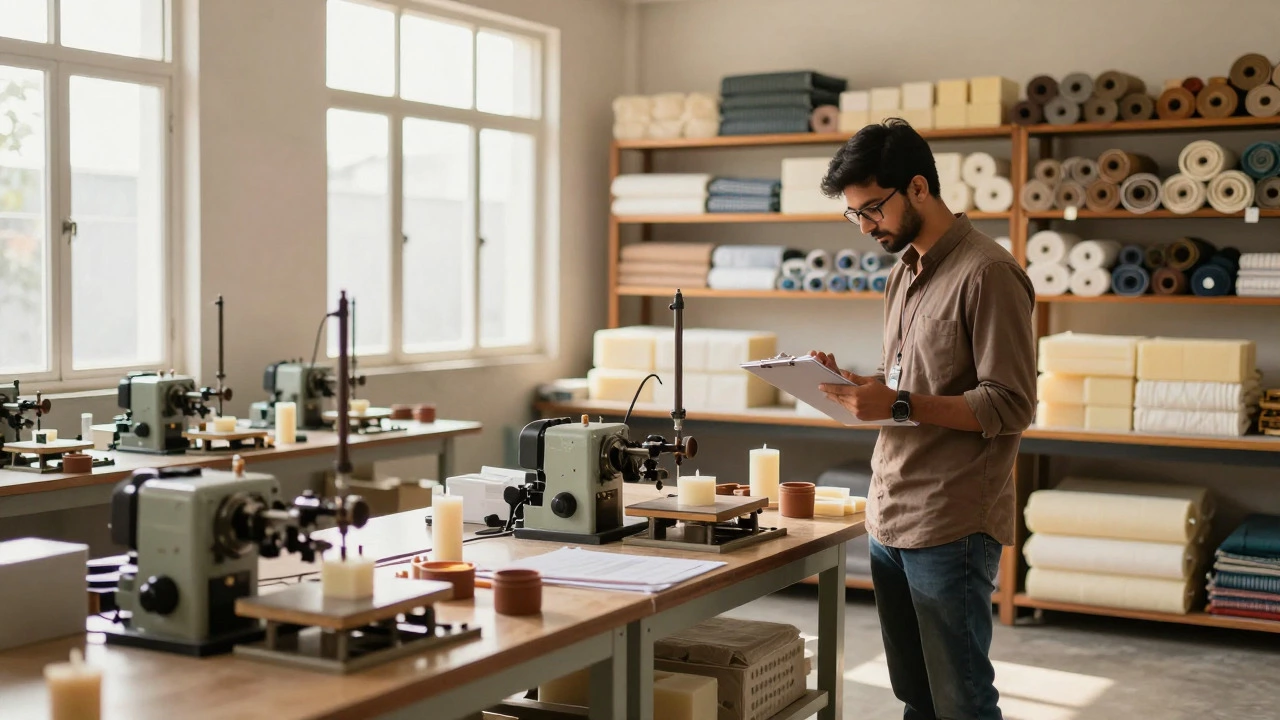
| Micro-Manufacturing | $10,000 - $100,000 | Candles, packaging, simple textiles, food processing | Basic machinery, raw materials, small workspace lease |
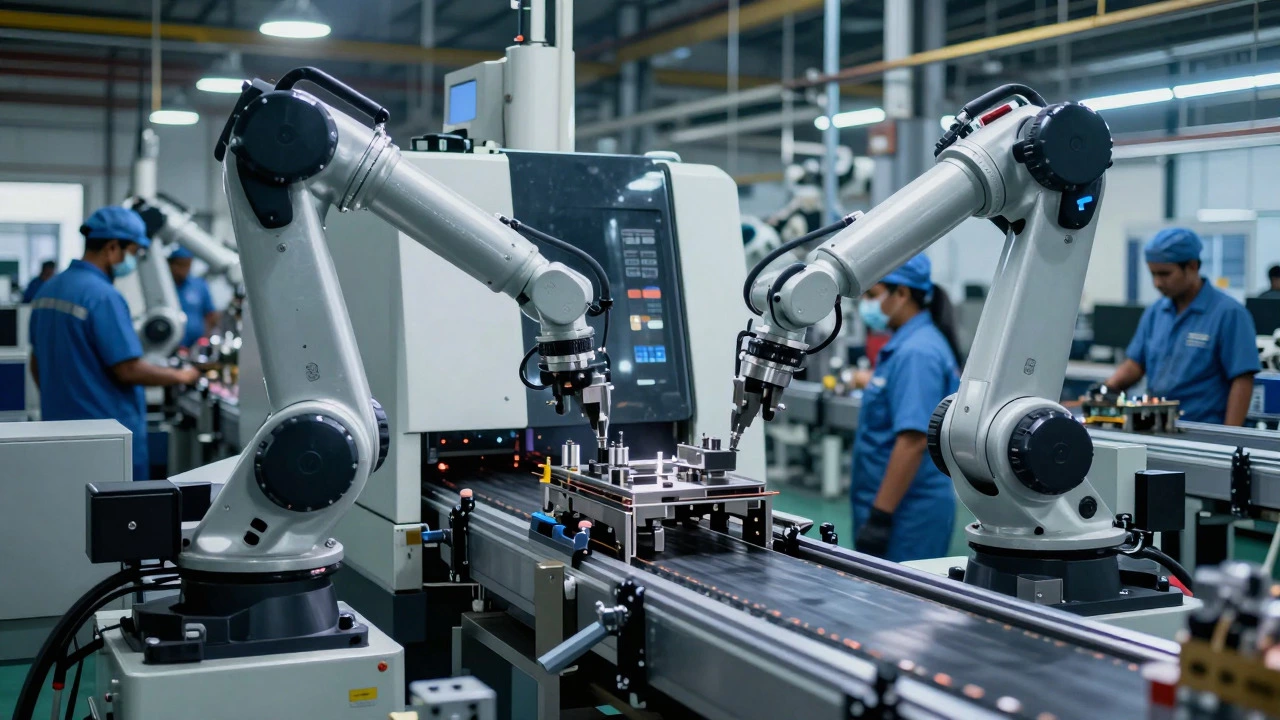
| Semi-Automated Small Scale | $100,000 - $1 Million | Furniture, plastic molding, electronics assembly | Specialized equipment, moderate labor, utility upgrades |
| Large-Scale Industrial | $1 Million - $10M+ | Automotive parts, pharmaceuticals, heavy machinery | High-end automation, real estate, extensive compliance/legal fees |
Notice how the gap between Micro and Semi-Automated is significant. In the micro tier, you are often buying used machines or manual tools. In the semi-automated tier, you are investing in technology that reduces labor dependency but requires higher upfront capital. Always start by defining your production volume goals, as this dictates your tier.
Capital Expenditure (CapEx): The Heavy Hitters
When people ask about factory costs, they usually think of machinery first. This is called Capital Expenditure or CapEx. It includes everything physical you buy to make your product.
Machinery costs vary wildly. A basic injection molding machine for plastic products might cost around $20,000 if bought used, while a new CNC machining center can easily exceed $150,000. Don't forget installation. Shipping heavy industrial equipment and hiring engineers to calibrate it can add 10-20% to the machine's price tag.
Then there is the facility itself. Renting an industrial space is cheaper than buying, but you will face "fit-out" costs. These include reinforcing floors for heavy loads, upgrading electrical panels for 3-phase power, and installing ventilation systems. For example, a food processing factory needs stainless steel surfaces and specialized drainage, which can double your renovation budget compared to a standard textile workshop.
Operational Expenditure (OpEx): The Hidden Cash Flow Killer
A common mistake entrepreneurs make is focusing only on the startup cost and ignoring the first six months of operations. This is where many new factories fail. You need enough cash in the bank to cover salaries, utilities, and raw materials before your first customer pays you.
- Labor: Even if you automate some processes, you need skilled technicians, quality control staff, and general laborers. Wages depend heavily on your location. Manufacturing in regions with lower labor costs can save you thousands per month, but consider productivity rates.
- Utilities: Factories consume massive amounts of electricity and water. A single large compressor or furnace can spike your monthly electric bill by hundreds of percent compared to a typical office. Budget for industrial-grade energy contracts.
- Raw Materials Inventory: You cannot start producing without stock. Suppliers often require upfront payment or credit lines. Holding safety stock prevents production halts but ties up cash.
As a rule of thumb, keep at least three to six months of operating expenses in reserve. If your monthly burn rate is $20,000, you need $60,000 to $120,000 sitting in the bank before you flip the switch.
Regulatory Compliance and Legal Fees
This is the most underestimated cost category. Depending on what you manufacture, you face different regulatory bodies. If you are entering Pharmaceutical Manufacturing India or any regulated health sector, compliance costs are astronomical due to Good Manufacturing Practices (GMP) requirements.
Even for less regulated industries like Plastic Manufacturing, you need environmental permits. Disposing of chemical waste, managing air emissions, and ensuring worker safety all come with legal fees and inspection costs. Expect to spend between $5,000 and $50,000 just on licenses, insurance, and legal consultations during the setup phase.
Insurance is non-negotiable. Property insurance covers fire and theft, but you also need liability insurance. If your product fails and causes damage to a customer, the lawsuit could bankrupt a young company. Premiums are calculated based on risk, so high-risk manufacturing sees higher premiums.
Location Strategy: Impact on Total Cost
Where you build your factory changes the math entirely. Urban centers offer access to skilled labor and logistics hubs but charge premium rents. Rural or industrial park locations offer cheaper land and tax incentives but may lack infrastructure.
Consider logistics costs. If your raw materials are heavy and your finished product is light, locate near suppliers. If your product is bulky, locate near customers to reduce shipping costs. In many countries, government grants are available for setting up factories in designated development zones. These grants can offset up to 20-30% of your CapEx, making them a critical part of your financial planning.
Funding Your Factory: Options Beyond Personal Savings
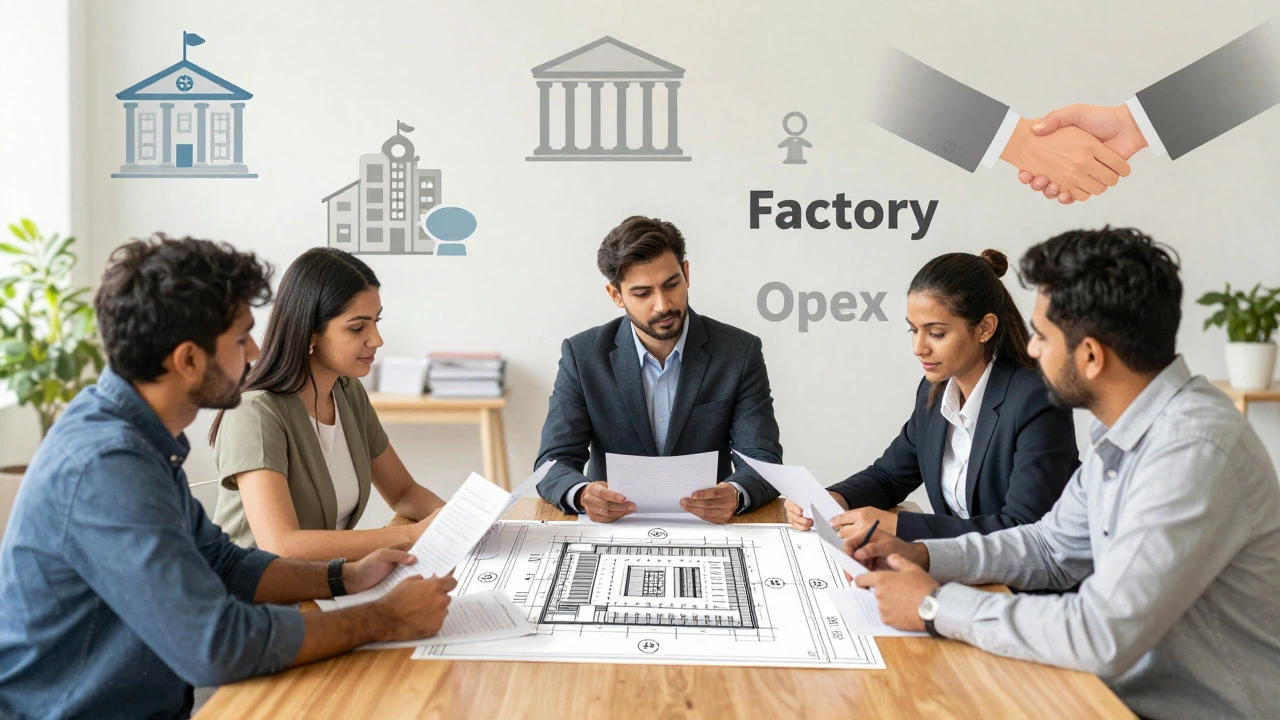
Rarely does one person fund a factory entirely out of pocket. Here are the primary funding avenues:
- Bank Loans: Traditional term loans require collateral. Banks look at your business plan and cash flow projections. Interest rates vary, but expect to put down 20-30% equity.
- Equipment Financing: Instead of borrowing cash, you finance the specific machines. The equipment serves as collateral, which often results in lower interest rates and easier approval.
- Government Grants & Subsidies: Many governments support local manufacturing to boost employment. Research programs aimed at small businesses or specific sectors like green energy manufacturing.
- Private Investors: Venture capital is rare for traditional manufacturing unless there is a scalable tech component. Angel investors or industry partners who believe in your product may provide equity financing.
Mixing these sources creates a balanced capital structure. Using too much debt increases monthly pressure, while giving away too much equity dilutes your control.
Common Pitfalls That Blow Up the Budget
Even with a solid plan, unexpected costs arise. Here are the top three budget killers:
- Underestimating Lead Times: Custom machinery can take six months to build. Delays mean you pay rent and salaries without generating revenue.
- Scope Creep: Starting with five product lines instead of one doubles your inventory and tooling needs. Focus on a minimum viable product (MVP) first.
- Maintenance Neglect: Cheap machinery breaks down more often. Factor in annual maintenance contracts (AMCs) from the start. Downtime costs more than preventive care.
By anticipating these issues, you protect your bottom line. Remember, the goal is not just to open the doors, but to stay open profitably.
What is the cheapest type of factory to start?
The cheapest factories to start are typically those involving low-tech assembly or processing, such as candle making, soap manufacturing, or simple food packaging. These require minimal specialized machinery, often under $20,000, and have lower regulatory hurdles compared to electronics or pharmaceuticals.
Do I need to buy land to start a factory?
No, most small-to-medium manufacturers rent space in industrial parks or warehouses. Buying land adds significant upfront capital costs and long-term maintenance responsibilities. Leasing provides flexibility to move if your business scales or if the location becomes inconvenient.
How much working capital should I keep aside?
You should keep at least 3 to 6 months of operating expenses (salaries, rent, utilities, raw materials) in liquid cash. This buffer ensures you can survive initial delays in sales or supply chain disruptions without shutting down production.
Can I get a loan for factory equipment?
Yes, equipment financing is a popular option. Lenders specialize in financing machinery because the equipment itself serves as collateral. This often allows you to secure better terms than a general business loan and preserves your cash flow for other operational needs.
What are the hidden costs in manufacturing?
Hidden costs include facility fit-outs (electrical upgrades, flooring), regulatory compliance fees, insurance premiums, waste disposal, and initial marketing. Additionally, unexpected repairs and downtime during the learning curve of new machinery can significantly impact early budgets.