Famous Indian Junk Food: A Guide to Street Snacks
Indian Street Food Nutritional Explorer
Step 1: Select a popular street dish to view its nutritional breakdown.
Samosa
Punjab/DelhiVada Pav
MaharashtraPani Puri
North IndiaBhel Puri
Chaat VarietyDaily Intake Estimator
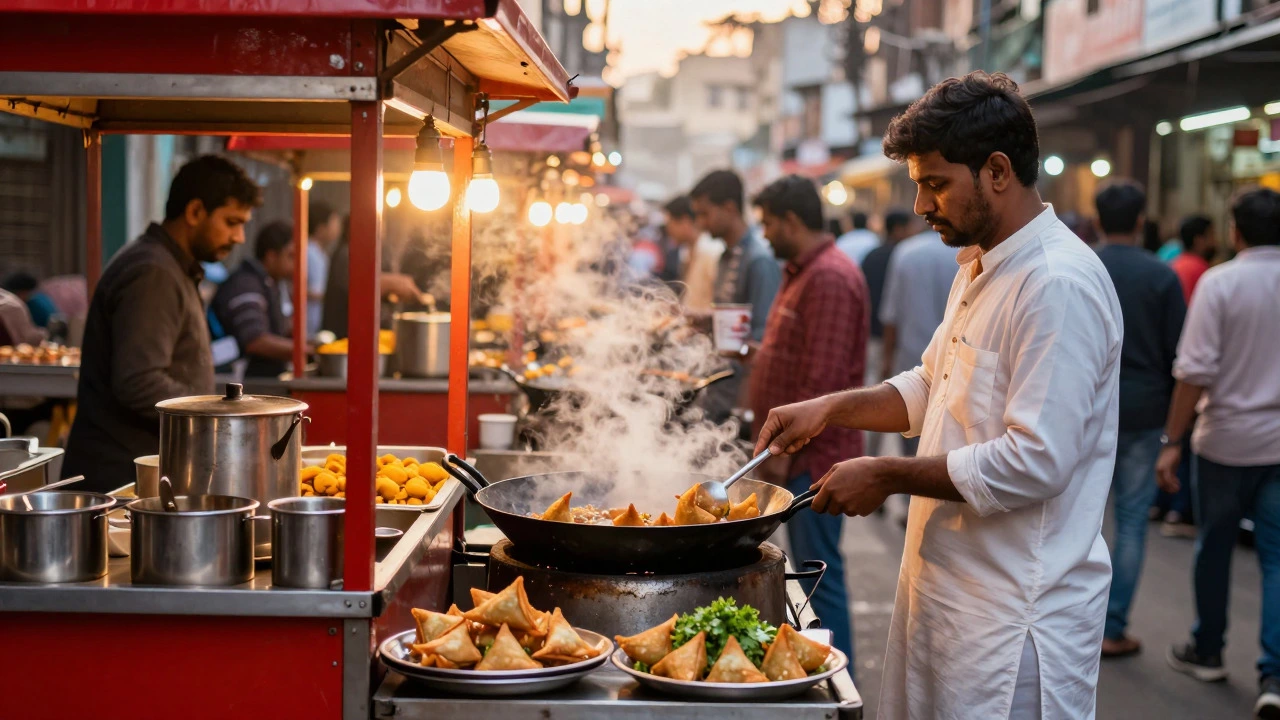
Walk into any busy market in Mumbai or Delhi, and the air hits you first. It’s a thick, spicy mix of frying oil, cumin, and fresh coriander. This is the heart of Indian street food, a culinary phenomenon that serves millions daily but often gets mislabeled as simple "junk." While Western junk food is usually mass-produced and shelf-stable, its Indian counterpart is fresh, hand-made, and deeply tied to local culture. Understanding what makes these snacks famous requires looking past the grease and seeing the complex balance of flavors that keeps people coming back for seconds.
The Core Definition of Indian Street Snacks
Indian street food consists of affordable, ready-to-eat meals prepared on-site using traditional recipes, typically sold from carts, stalls, or small shops. Unlike fast food chains which prioritize speed and consistency above all else, street vendors focus on flavor intensity and immediate gratification. The term "junk" here is relative; while high in calories and sodium, these foods are rarely processed with artificial preservatives. They are cooked to order, meaning the potato in your samosa is fried minutes before you eat it, not weeks ago.
The popularity stems from accessibility. In a country with a vast population and diverse income levels, street food provides a hot meal for less than a dollar. It bridges the gap between home cooking and restaurant dining. For many Indians, eating out means stepping onto the pavement, not sitting at a table. This casual nature has made specific dishes iconic across borders, creating a global curiosity about what exactly constitutes this "famous junk."
Top Iconic Dishes You Need to Know
If you are asking what the most famous items are, the list starts with three heavy hitters that define the genre. Each has a distinct regional origin that spread nationwide due to their taste and portability.
- Samosa: Perhaps the most recognized Indian snack globally. It is a triangular pastry filled with spiced potatoes, peas, and onions. The key is the crispy shell and the tangy chutney served on the side. It is a savory alternative to the sweet pastry found in other cultures.
- Vada Pav: Originating from Mumbai, this is essentially an Indian hamburger. A lentil doughnut (vada) is placed inside a soft bread roll (pav), garnished with chili sauce and green chutney. It is cheap, filling, and incredibly popular among students and workers.
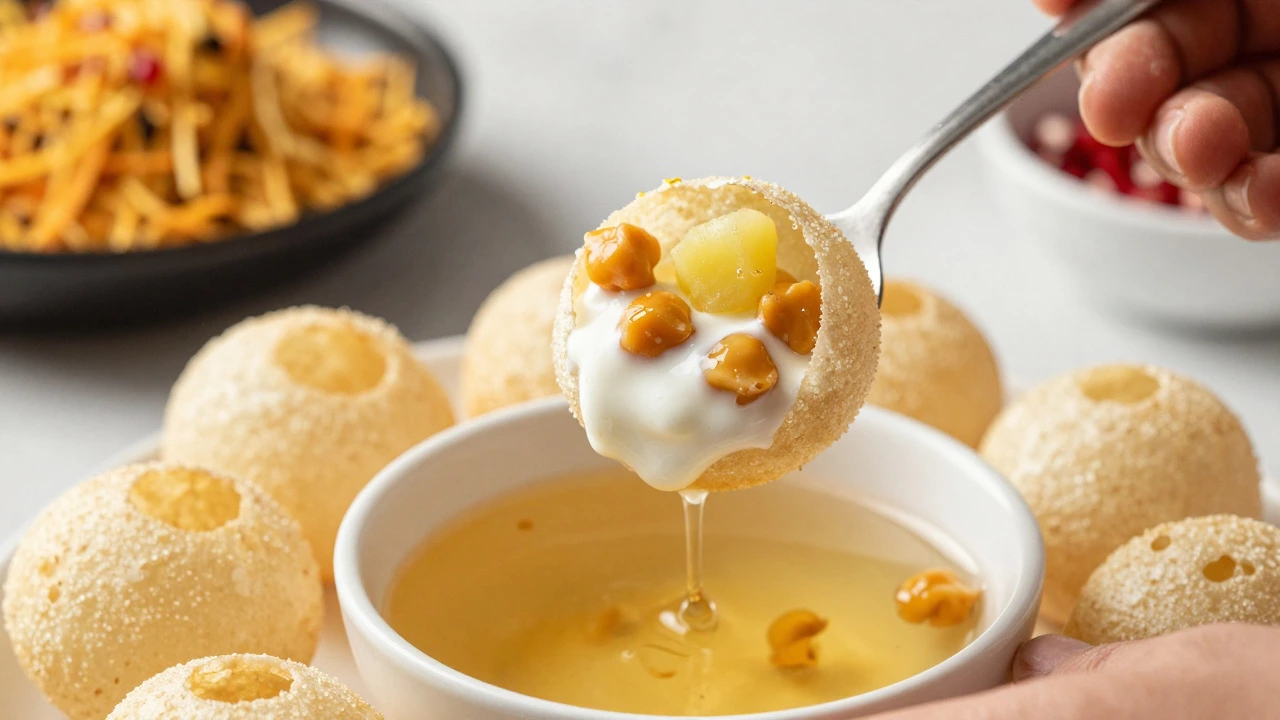
- Pani Puri (Golgappa): A burst of flavor in a hollow sphere of crisp dough. The vendor fills the ball with a mixture of potato, chickpeas, and tamarind water, then punches a hole to pour in spicy, sweet, and salty water. It is eaten in one bite, making it a unique sensory experience.
Beyond these, Chaat covers a wide variety of savory snacks like bhel puri, papdi chat, and sev puri. These dishes rely on a balance of five tastes: sweet, sour, salty, bitter, and umami. The use of yogurt (chaas) and pomegranate seeds adds texture and cooling effects to counter the heat of the spices.
Why Is It Considered "Junk"?
The label "junk food" sticks because of two main factors: preparation method and nutritional profile. Most street snacks are deep-fried. Vendors use large woks filled with oil, which can reach very high temperatures. While this creates the desired crunch, it also increases calorie density significantly. A single plate of chaat can easily contain 400-600 calories, mostly from fats and refined carbohydrates.
However, calling it purely "junk" ignores the fresh ingredients involved. Unlike a bag of chips, street food often includes fresh vegetables, legumes, and herbs. The issue lies in portion control and frequency. If eaten once a week, it is a treat. If eaten daily without balancing with lighter meals, it contributes to weight gain and high blood pressure. The lack of standardized hygiene practices in some areas also adds to the negative perception, though reputable vendors maintain strict cleanliness to protect their reputation.
Regional Variations and Local Favorites
India is huge, and so is its street food map. What is considered standard in the north might be unknown in the south.
| Region | Famous Dish | Key Ingredient | Flavor Profile |
|---|---|---|---|
| Maharashtra | Vada Pav | Lentils (Moong) | Spicy, Savory, Soft |
| Punjab/Delhi | Chole Bhature | Chickpeas, Leavened Bread | Rich, Spicy, Filling |
| Karnataka | Mysore Pak | Ghee, Gram Flour | Sweet, Crumbly |
| West Bengal | Rosogolla | Chenna (Curdled Milk) | Syrupy, Sweet, Light |
In the south, sweets play a bigger role in street vending. Mysore Pak, a dense, sweet confection made from gram flour and ghee, is a staple in Karnataka. In contrast, the north leans heavily toward savory, fried items. Chole Bhature, consisting of spicy chickpea curry and fluffy fried bread, is a breakfast favorite in Punjab and Delhi. These regional differences show that "Indian junk food" is not a monolith but a collection of localized traditions.
Nutritional Reality vs. Perception
Many people avoid street food due to fear of illness or excess calories. The reality is nuanced. The primary health concern is the type of oil used. Reusing oil multiple times can create trans fats, which are harmful to heart health. However, many modern vendors have switched to healthier oils like sunflower or groundnut oil and change them regularly.
From a nutritional standpoint, dishes like Samosa provide protein from the lentil-based dough (if used) and fiber from the potato filling. Vada Pav offers protein from the lentils. The problem arises when these are paired with sugary drinks or excessive amounts of fried sides. To enjoy street food healthily, experts suggest:
- Eat smaller portions rather than full plates.
- Choose items with more vegetable content (like bhel puri) over pure dough items.
- Avoid drinking sugary sodas; opt for water or unsweetened lassi instead.
- Visit established stalls with high foot traffic, as quick turnover ensures freshness.
Cultural Significance and Social Role
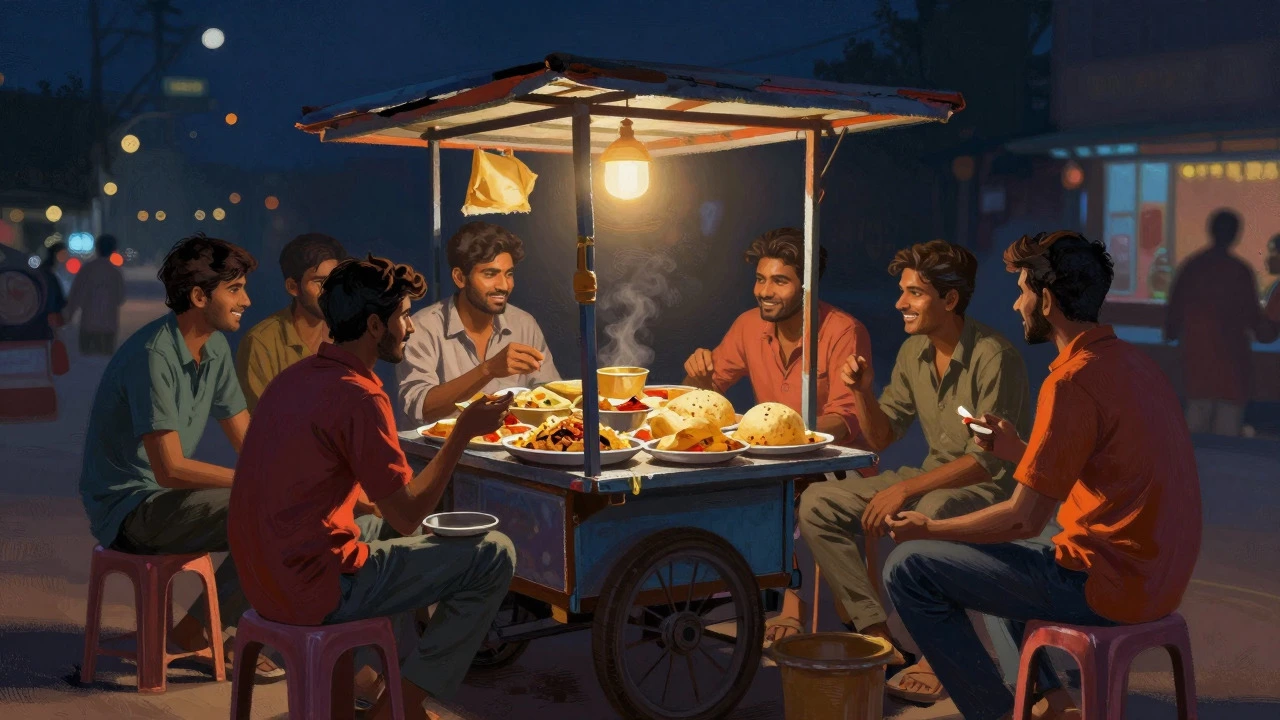
Street food in India is not just about hunger; it is a social activity. Families gather around carts after dinner. Friends meet at chaat stalls during the day. The act of eating together, sharing plates, and discussing the quality of the spice blend is a core part of Indian social life.
This cultural embedding is why the food persists despite health warnings. It is affordable, accessible, and emotionally resonant. For diaspora communities in the UK, US, and elsewhere, these snacks serve as a connection to home. The smell of frying masala can trigger powerful memories, making the "junk" label feel irrelevant in the face of nostalgia and taste.
How to Choose Safe Street Food
If you are visiting India or trying new vendors abroad, safety should be a priority. Here is a practical checklist to minimize risks:
- Observe the crowd: If locals are lining up, the food is likely fresh and safe.
- Check the water source: Ask if they use boiled or filtered water for beverages.
- Look at the oil: Clear, golden oil is a good sign. Dark, smoky oil suggests it has been reused too many times.
- Start small: Try a few bites of a new dish to see how your stomach reacts before ordering a full serving.
- Carry basic meds: Keep antacids or anti-diarrheal medication handy, especially if you are not used to spicy or oily food.
By following these simple steps, you can enjoy the famous flavors of Indian street food without worrying too much about the "junk" aspect. It is about balance, awareness, and appreciating the craft behind each bite.
Is Indian street food healthy?
It depends on portion size and frequency. While high in calories and fat due to frying, it contains fresh ingredients like vegetables and legumes. Eating in moderation and choosing stalls with fresh oil makes it a reasonable occasional indulgence.
What is the most popular street food in India?
Samosa and Vada Pav are widely considered the most popular. Samosa is known globally, while Vada Pav is a Mumbai icon. Both are affordable, portable, and flavorful.
Can I find Indian street food outside India?
Yes, major cities in the UK, US, Canada, and Australia have authentic street food carts and restaurants specializing in dishes like Chaat, Samosa, and Chole Bhature. Quality varies, so look for places with Indian ownership or high reviews.
What is the difference between Chaat and Fast Food?
Chaat is a category of savory snacks based on fresh ingredients and complex spice blends, often including yogurt and chutneys. Fast food is typically standardized, mass-produced, and relies on processed ingredients. Chaat is fresher and more regionally diverse.
Are there vegetarian options in Indian street food?
Most Indian street food is naturally vegetarian. Dishes like Samosa, Vada Pav, and various Chaats are plant-based. Non-vegetarian options like Kebab or Tandoori Chicken are also available but less common in traditional street cart setups compared to restaurants.