Easiest Manufacturing Business Ideas to Earn Money in 2026
Manufacturing Business Profitability Calculator
You don’t need a massive factory or millions in venture capital to start making money from manufacturing. In fact, some of the most profitable businesses today are small-scale operations that solve specific, everyday problems. If you are looking for the easiest business to earn money through manufacturing, you need to look at low-barrier entry points with high demand and manageable operational complexity.
The key isn't just picking an idea; it's picking one where your initial investment is low, the learning curve is short, and the market is hungry. Whether you have a garage in Birmingham or a small workshop in India, the principles remain the same: find a niche, produce efficiently, and sell directly.
Low-Cost Food Processing: The Reliable Cash Cow
Food never goes out of style. People eat every day, and they are increasingly looking for fresh, preservative-free, and locally sourced options. This creates a massive opportunity for small-scale food manufacturers who can offer quality over quantity.
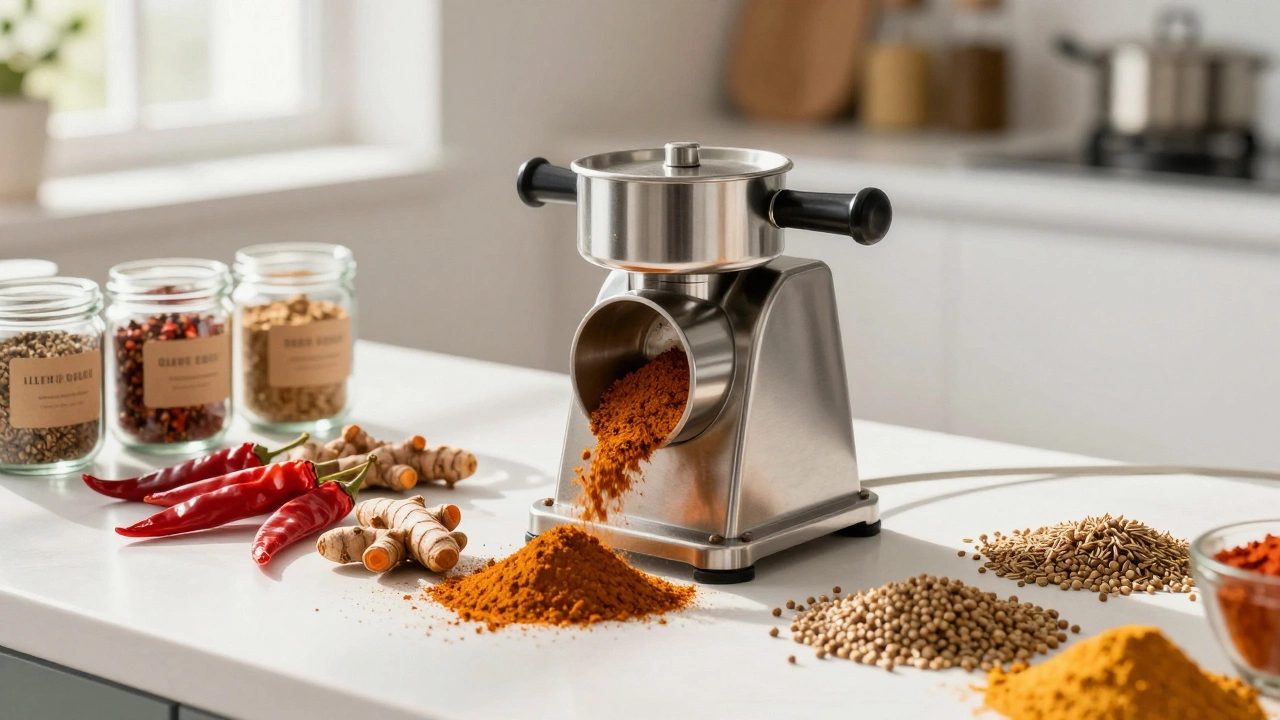
One of the easiest entries here is Spice Grinding and Blending. It requires minimal equipment-just industrial-grade grinders and packaging machines-and raw materials are cheap and widely available. You buy bulk spices, grind them to order, blend unique mixes (like curry powders or chili flakes), and package them. The margin on value-added blends is significantly higher than selling raw ingredients.
Another strong contender is Ready-to-Eat Snack Production. Think roasted nuts, spicy papads, or homemade-style pickles. These products have long shelf lives, which reduces waste risk. For example, a small pickle unit can operate from a commercial kitchen with basic sterilization equipment. The barrier to entry is low because recipes are often family secrets, giving you an immediate unique selling proposition without heavy R&D costs.
- Initial Investment: Low ($5,000 - $15,000 depending on location)
- Key Requirement: Food safety certifications (FSSAI in India, FDA compliance in US/UK)
- Profit Margin: 30% - 50%
Eco-Friendly Packaging: Riding the Green Wave
In 2026, the global push against single-use plastics has created a vacuum that small manufacturers can fill. Large corporations are scrambling to meet sustainability goals, and they need suppliers for biodegradable alternatives. This is not just a trend; it’s a regulatory necessity in many regions.
Manufacturing Paper Bags and Cartons is surprisingly straightforward. You can source recycled paper pulp and use simple die-cutting and folding machines. The process involves cutting, gluing, and printing. Because the demand comes from retail stores, restaurants, and e-commerce companies, your customer base is vast and recurring.
If you want something even simpler, consider Jute Bag Manufacturing. Jute is a natural fiber that is cheap to source, especially in regions like India and Bangladesh. The machinery required for weaving and stitching jute bags is affordable and easy to maintain. These bags are popular for shopping, gifting, and even as promotional items for brands wanting to appear eco-conscious.
| Product Type | Equipment Cost | Raw Material Source | Target Market |
|---|---|---|---|
| Paper Bags | Medium | Recycled Paper Mills | Retailers, Bakeries |
| Jute Bags | Low | Agricultural Suppliers | Fashion Brands, Gift Shops |
| Biodegradable Cutlery | High | PLA Cornstarch Suppliers | Restaurants, Caterers |

Home Decor and Handicrafts: High Margin, Low Volume
If you have a creative eye, manufacturing home decor items can be incredibly lucrative. The beauty of this sector is that you can start from home, keeping overheads near zero. The value lies in the design and craftsmanship, not just the material.
Candle Making is a classic example. It requires wax, wicks, fragrance oils, and molds. The process is simple: melt, pour, cool, trim. However, the profit comes from branding and scent profiles. A plain white candle sells for pennies; a scented, jarred candle with a minimalist label sells for dollars. You can experiment with soy wax, beeswax, or even coconut wax to differentiate your product.
Another option is Macramé and Textile Wall Hangings. With the rise of bohemian interior design trends, hand-knotted cotton and jute pieces are in high demand. This is labor-intensive but requires almost no capital investment beyond yarn and hooks. You can scale by hiring local artisans once your online store gains traction.
Personal Care Products: The Artisanal Boom
Consumers are becoming skeptical of mass-produced cosmetics filled with synthetic chemicals. They want transparency, natural ingredients, and small-batch authenticity. This shift favors small manufacturers who can highlight their ingredient sourcing and ethical practices.
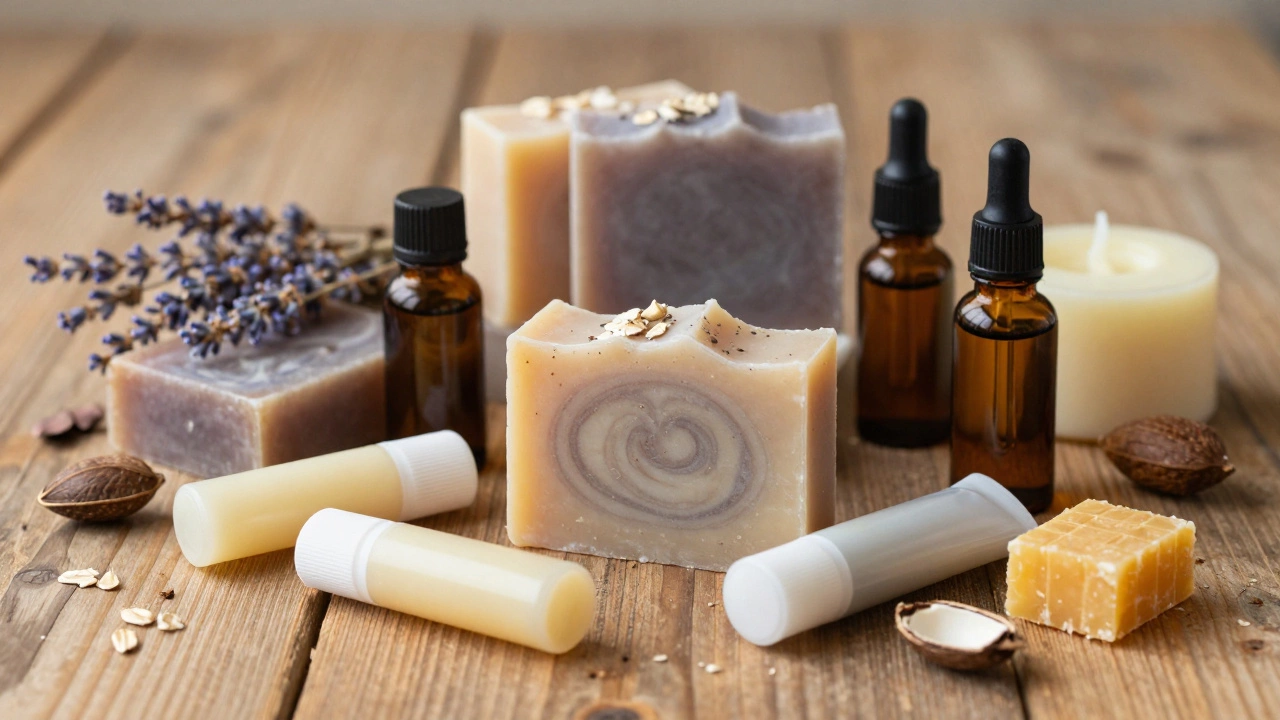
Soap Making is perhaps the easiest personal care business to start. Cold-process soap making allows you to control the entire recipe. You mix oils (olive, coconut, palm) with lye and water, add essential oils for scent, and let it cure. The startup cost is minimal, and you can sell directly via Etsy, Amazon Handmade, or local farmers' markets.
Similarly, Lip Balm and Body Butter Production involves mixing beeswax, shea butter, and coconut oil. These products are lightweight, easy to ship, and have high perceived value. A small tin of lip balm costs cents to make but can sell for $5-$8 if branded correctly.
How to Choose Your Path: A Decision Framework
Not all easy businesses are right for everyone. You need to match the business model to your resources and skills. Here is a quick way to evaluate your options:
- Assess Your Capital: Do you have under $5,000? Stick to soap, candles, or spice blending. Do you have $10,000+? Consider paper bag machinery or a small snack processing line.
- Check Local Regulations: Food and cosmetics require strict hygiene standards and licenses. Paper and jute manufacturing may have fewer health regulations but might face environmental scrutiny regarding waste disposal.
- Identify Your Sales Channel: Can you sell online? If yes, lightweight items like soaps and candles are best due to low shipping costs. If you have local connections, bulk items like jute bags or snacks work better.
Pitfalls to Avoid When Starting Small
Even the easiest businesses fail if you ignore basic operational realities. One common mistake is underestimating packaging costs. In handmade goods, packaging can account for up to 20% of your total cost. Don't skimp on it, but don't overspend either. Use recycled materials to keep costs down while appealing to eco-conscious buyers.
Another trap is scaling too fast. Many new manufacturers rush to buy large machinery before validating their market. Start manually. If you can't sell 100 units of your handmade soap, you won't sell 10,000 units from a machine. Validate demand first, then automate.
Finally, neglecting digital presence is fatal in 2026. No matter how good your product is, if you aren't on Instagram, TikTok, or a professional website, you are invisible. Document your manufacturing process. People love seeing behind-the-scenes content-it builds trust and drives sales.
What is the lowest investment manufacturing business?
Candle making and soap making are typically the lowest investment options, often requiring less than $1,000 to start with basic equipment like molds, wax/oils, and packaging materials. These can be operated from a home kitchen or spare room.
Is food manufacturing legal from home?
It depends on your local laws. In many places, "cottage food laws" allow certain non-hazardous foods (like baked goods, jams, and dry mixes) to be made at home. However, you usually need to register with local health departments and cannot sell hazardous items like meat or dairy-based products from a residential kitchen.
How much profit can I make from a small jute bag business?
Profit margins on jute bags can range from 40% to 60%. Since raw jute is inexpensive and the production process is relatively simple, the main costs are labor and dyeing/printing. Selling directly to consumers online yields higher profits than selling wholesale to retailers.
Do I need a license to sell handmade soap?
Yes, generally you need a business license and must comply with cosmetic labeling regulations (such as listing all ingredients). While you may not need a full pharmaceutical-grade lab, you must ensure your product is safe and properly labeled according to local consumer protection laws.
Which manufacturing business has the fastest return on investment?
Food items like spice blends and ready-to-eat snacks often have the fastest ROI because inventory turns over quickly. Unlike durable goods, food is consumed and repurchased frequently, providing steady cash flow if you secure regular customers.