Do You Put Garam Masala in Biryani? The Truth About Timing and Technique
Biryani Garam Masala Calculator & Guide
Configure Your Recipe
Your Spice Plan
Based on of meat ( style)
How to Layer It:
Mix with yogurt, ginger-garlic paste, and raw meat.
Sprinkle between rice layers and fried onions just before sealing the pot.
Tip:
Enter your details to see the recommended garam masala distribution.
Have you ever opened your spice jar, grabbed the garam masala, and paused? You’re standing over a pot of simmering rice and meat, wondering if this aromatic blend belongs in your biryani or if it’s reserved for curries. It’s a common hesitation. In kitchens across Birmingham and beyond, the debate often boils down to tradition versus convenience. Some cooks swear by adding it at the very beginning; others insist on sprinkling it only at the end. The truth is, garam masala doesn’t just belong in biryani-it is essential. But how and when you use it changes the entire character of the dish.
Biryani is not merely rice with meat. It is a layered masterpiece where every ingredient has a specific job. If you treat garam masala like salt-just dumping it in without thought-you risk overpowering the delicate balance of flavors. To get it right, we need to look at what garam masala actually is, why regional recipes differ, and exactly how to layer these spices so your biryani tastes authentic, fragrant, and deeply satisfying.
What Is Garam Masala, Really?
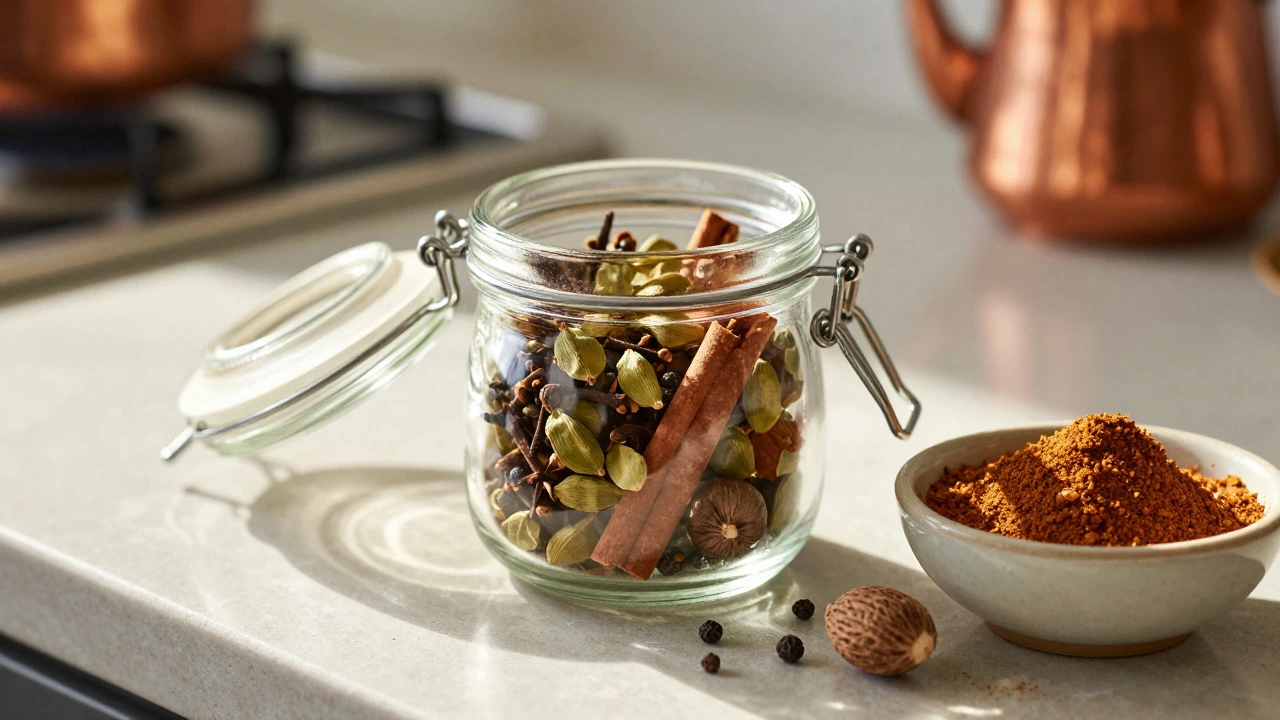
Before we decide where it goes in the pot, let’s clarify what we are working with. Garam masala is a warm spice blend that typically includes cardamom, cinnamon, cloves, black pepper, cumin, and nutmeg. The word "garam" translates to "hot" or "warm," referring not to chili heat but to the heating quality of these spices in Ayurvedic medicine. Unlike curry powder, which is a standardized British invention often containing turmeric and coriander, garam masala varies wildly from household to household.
In North India, particularly in Delhi and Lucknow, the blend leans heavily on whole spices ground fresh: green cardamom pods, star anise, and mace. In South India, you might find fennel seeds or even roasted coconut added to the mix. This variability is crucial because biryani itself is a regional dish. A Kolkata biryani differs significantly from a Hyderabadi one. Understanding your base blend helps you predict how it will behave during the long cooking process of dum (slow steaming).
The Regional Divide: Lucknow vs. Hyderabad
To understand whether you put garam masala in biryani, you have to look at the two dominant styles of Indian biryani. These styles dictate not just the ingredients, but the timing of the spice addition.
| Style | Key Characteristics | Garam Masala Role | Cooking Method |
|---|---|---|---|
| Lucknowi (Awadhi) | Mild, subtle, relies on whole spices | Minimal powdered garam masala; uses whole spices fried in ghee | Dum (sealed pot slow cook) |
| Hyderabadi | Bold, spicy, tangy from yogurt/tomatoes | Generous use of both whole spices and powdered garam masala | Kacchi (raw meat) or Pakki (cooked meat) dum |
| Kolkata | Sweet notes from potatoes and raisins | Moderate amount, often mixed with saffron water | Dum with distinct sweet-savory balance |
If you are making a Lucknow-style biryani, you might rarely touch the jar of powdered garam masala. Instead, you fry whole cardamom, cloves, and bay leaves in ghee until they release their oils. This technique infuses the fat with flavor, which then coats the rice and meat. The result is a cleaner, more nuanced taste where no single spice dominates.
On the other hand, Hyderabadi biryani demands intensity. Here, powdered garam masala is added both during the marination of the meat and again during the layering process. The goal is a punchy, robust flavor profile that stands up to the richness of the meat and the acidity of the yogurt marinade. So, do you put garam masala in biryani? Yes, but the quantity and form depend entirely on which style you are emulating.
Timing Is Everything: When to Add the Spices
The biggest mistake home cooks make is adding all their spices at once. Spices degrade under high heat and prolonged cooking. Volatile oils evaporate, leaving behind bitterness rather than aroma. To build depth, you must layer your spices. Think of it like painting: you start with broad strokes and add fine details later.
- The Base Layer (Tarka/Tadka): Start with whole spices. Heat ghee or oil and add bay leaves, cardamom pods, cloves, and cinnamon sticks. Fry them for 30-60 seconds until fragrant. Do not burn them. This step creates the foundational aroma of the dish.
- The Marination: If you are using powdered garam masala, add half of your planned amount here. Mix it into the raw meat along with yogurt, ginger-garlic paste, and red chili powder. The acid in the yogurt helps bind the spices to the protein, ensuring every bite is flavorful.
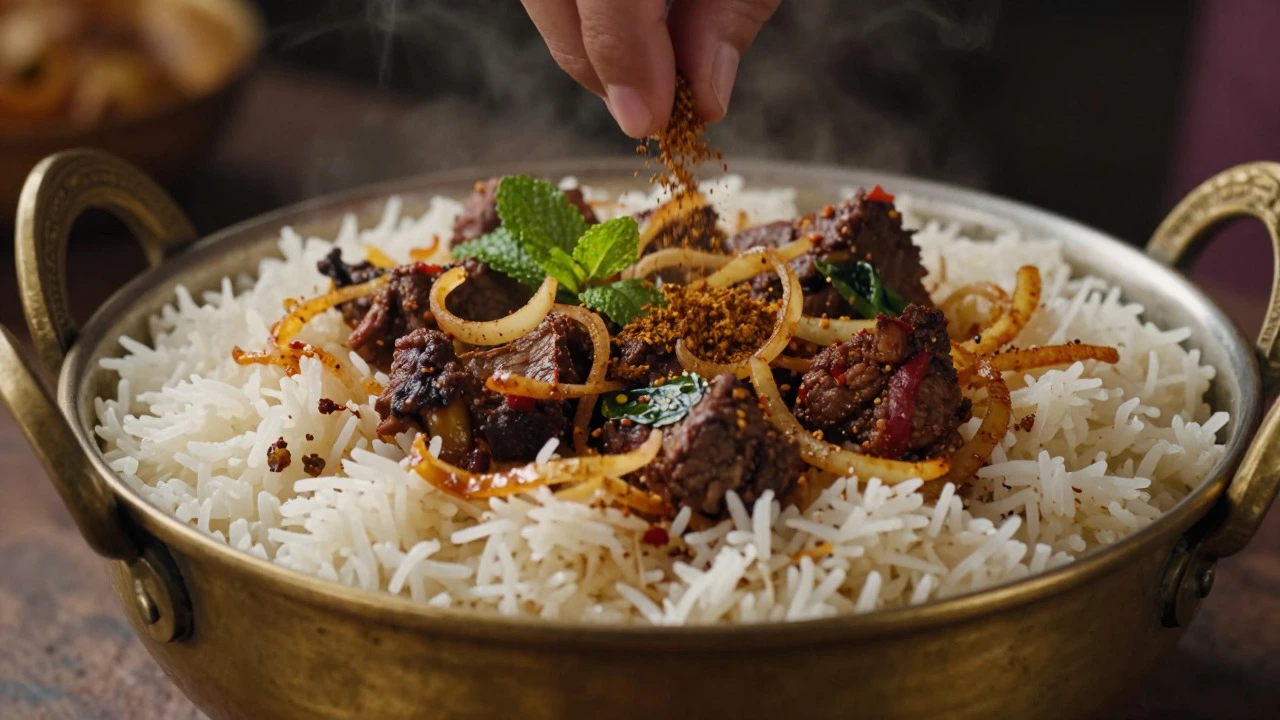
- The Layering (Dum): This is the secret weapon. As you layer the parboiled rice over the cooked meat, sprinkle the remaining garam masala between the layers. Add fried onions (birista), mint leaves, and coriander. The residual heat from the meat and rice will gently toast the spices without burning them, releasing their final burst of aroma.
By splitting the garam masala usage, you ensure that the flavor penetrates the meat during cooking while still providing a fresh, top-note fragrance when you open the lid. If you add it all at the start, the delicate notes of cardamom and nutmeg disappear into the background. If you add it all at the end, it sits on top of the rice rather than integrating into the dish.
Freshly Ground vs. Store-Bought: Does It Matter?
You might be tempted to grab the pre-ground jar from the supermarket shelf. It’s convenient, sure. But there is a significant difference in potency. Pre-ground spices lose their volatile oils within weeks of being crushed. By the time you buy them, much of the aromatic power is gone. What remains is mostly color and earthiness, lacking the bright, floral notes that define good biryani.
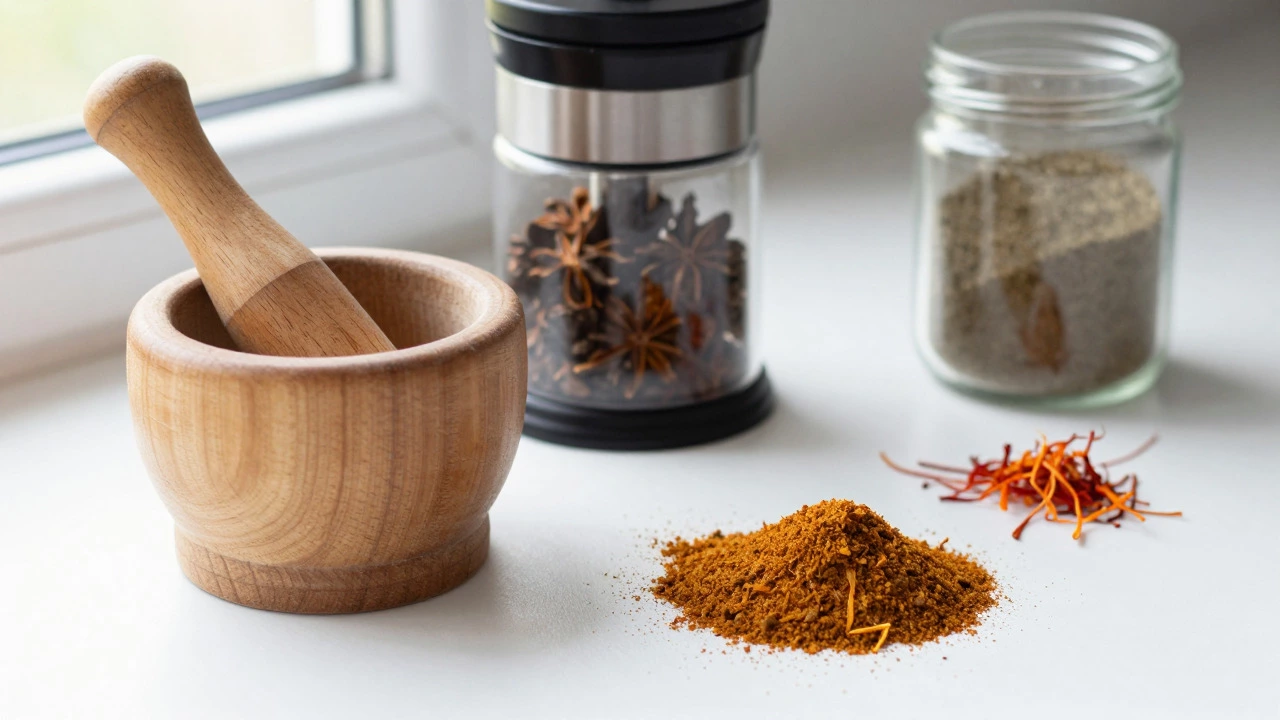
For the best results, buy whole spices. Roast them lightly in a dry pan until they smell nutty, then grind them in a clean coffee grinder or mortar and pestle. The smell that fills your kitchen immediately after grinding is a sign of freshness. This fresh garam masala will transform your biryani from "good" to "restaurant-quality." It adds complexity that store-bought blends simply cannot replicate. Even if you live in a busy city like Birmingham, taking ten minutes to grind your own spices pays off exponentially in the final taste.
Common Mistakes to Avoid
Even experienced cooks slip up. Here are a few pitfalls that can ruin your biryani’s spice balance:
- Overpowering with Cumin: Many commercial garam masalas contain high levels of cumin. While cumin is great for dal or chana masala, too much of it in biryani makes the dish taste heavy and earthy, masking the lighter notes of saffron and rose water.
- Burning the Whole Spices: When frying whole spices in ghee, keep the heat medium-low. Blackened spices turn bitter. If they burn, discard the oil and start over. Bitterness is hard to fix once it enters the pot.
- Ignoring Salt Levels: Garam masala does not replace salt. Ensure your meat is well-seasoned separately. The spices enhance the savory notes; they don’t provide salinity themselves.
- Skip the Saffron: While not part of garam masala, saffron works in tandem with it. Saffron provides visual appeal and a distinct floral note. Using both creates a multi-dimensional flavor profile that feels luxurious.
Final Thoughts on Flavor Balance
So, do you put garam masala in biryani? Absolutely. But treat it as a tool for layering, not a shortcut. Whether you follow the subtle Awadhi tradition or the bold Hyderabadi approach, the key is intentionality. Use whole spices for the base, powdered garam masala for the marinade and layering, and always prioritize freshness. Your biryani should smell incredible before you even take the first bite. That aroma is the promise of the care and precision you put into balancing these ancient spices. Next time you cook, experiment with the ratios. Find the blend that suits your palate, and remember that the best recipes are the ones you refine over time.
Can I use curry powder instead of garam masala in biryani?
It is not recommended. Curry powder usually contains turmeric, which will turn your biryani yellow and give it a different flavor profile associated with Westernized Indian dishes. Garam masala lacks turmeric and focuses on warming spices like cardamom and cloves, which are traditional for biryani.
How much garam masala should I add to 1 kg of meat?
For a standard Hyderabadi-style biryani, use about 1 to 1.5 teaspoons of freshly ground garam masala per kilogram of meat. Split this amount: half goes into the marinade, and half is used during the layering process. Adjust based on your personal preference for spice intensity.
Does garam masala go in the rice or the meat?
It goes in both, but primarily with the meat and between the layers. The rice itself is usually flavored with whole spices like bay leaves and cardamom pods during boiling. Adding powdered garam masala directly to the boiling water can make the rice cloudy and muddy the flavor.
Why does my biryani taste bitter?
Bitterness usually comes from burning whole spices during the initial frying stage or using old, stale powdered spices. Ensure you fry spices on low heat until fragrant, not blackened. Also, check the expiration date of your stored spices; if they smell dusty rather than aromatic, replace them.
Is it better to use fresh or dried spices for biryani?
Whole dried spices are preferred for biryani. Fresh herbs like mint and coriander are added at the end for garnish and freshness, but the core garam masala components (cinnamon, cloves, cardamom) are naturally dried. Freshly grinding these dried whole spices yields the best flavor.