Can You Use Spoiled Milk to Make Paneer? A Kitchen Guide
Paneer Safety Checker
Use this checklist to determine if your milk has soured safely (fermented) or gone bad (rotten). Only proceed with paneer making if the result is "Safe to Use".
Awaiting Input
Check all criteria that apply to your milk and click "Evaluate Milk" to see if it's safe for paneer.
You open the fridge, grab a carton of milk for your morning chai or evening curry, and that familiar sour smell hits you. It’s happened to all of us. The instinct is to toss it in the sink, but if you’ve ever made paneer at home, you know that curdling is actually the first step. So, can you use spoiled milk to make paneer? The short answer is yes, but with some serious caveats about safety and taste.
This isn’t just about saving a few dollars on groceries. It’s about understanding how dairy works. When we talk about "spoiled" milk, we’re usually mixing up two different things: milk that has gone rancid due to bacterial spoilage, and milk that has soured naturally through fermentation. One makes a delicious cheese; the other might give you an upset stomach. Let’s break down exactly when you can rescue that milk and when you should let it go.
The Science Behind Curdling vs. Spoiling
To understand why this works, you need to look at what happens inside the milk. Fresh milk has a pH level around 6.5 to 6.7. It’s slightly acidic but stable. Lactobacillus bacteria, which are naturally present in raw milk or introduced during pasteurization processes, start eating the lactose (milk sugar) and turning it into lactic acid. As the acidity rises, the casein proteins-which are normally suspended in the liquid-start to clump together. This is coagulation.
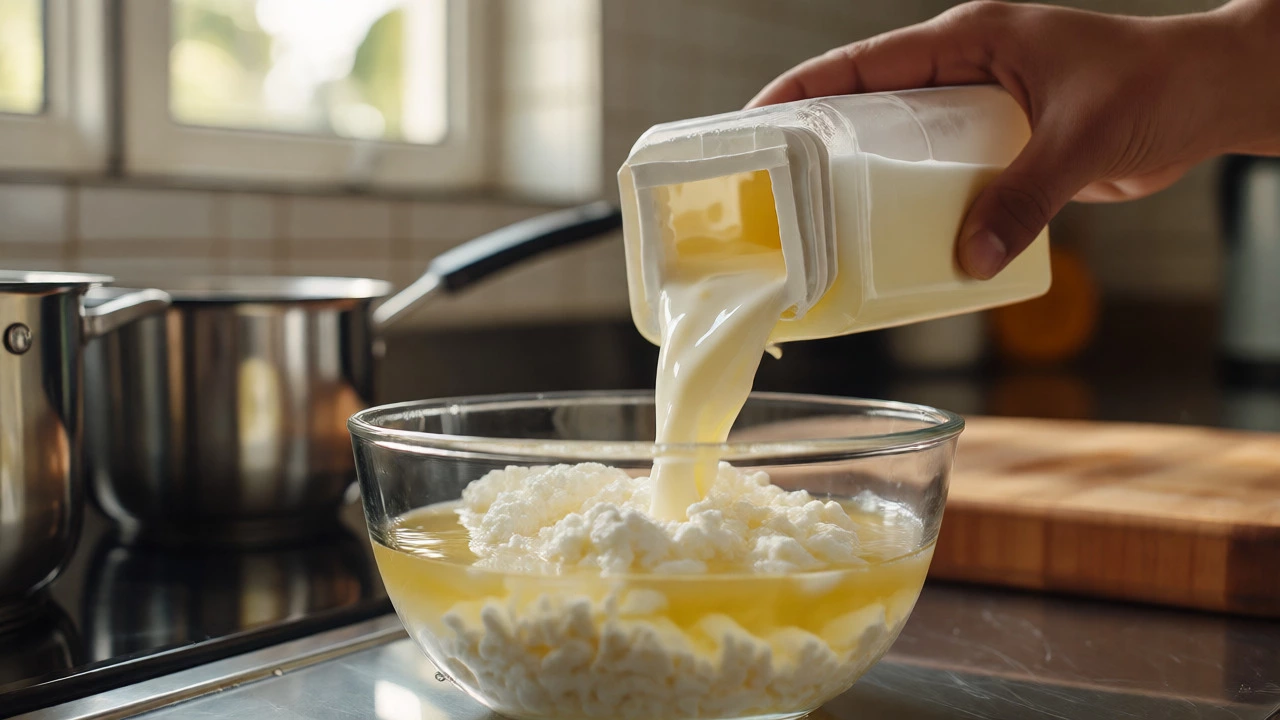
When you make standard paneer, you usually add an acid like lemon juice or vinegar to force this reaction quickly. With soured milk, the bacteria have done the work for you. If the milk smells tangy, like yogurt or buttermilk, and the texture is thick or slightly chunky, it’s likely fermented rather than rotten. This type of milk is perfect for making paneer because the proteins are already beginning to separate from the whey.
However, true spoilage is different. If the milk smells putrid, yeasty, or like old socks, unwanted pathogens may be growing. These bacteria produce gases and off-flavors that won’t cook out. You’re not just dealing with acid here; you’re dealing with decay. Distinguishing between the two is the most critical skill in this process.
How to Tell If Your Milk Is Safe for Paneer
Before you turn on the stove, do a quick sensory check. Don’t rely solely on the expiration date printed on the carton. That date is a guideline for peak quality, not a hard deadline for safety. Here is a practical checklist to determine if your milk is salvageable:
- The Smell Test: Sniff the milk directly from the carton. Does it smell sharp and acidic, similar to lemon or yogurt? Good. Does it smell foul, bitter, or distinctly unpleasant? Bad. Throw it away.
- The Visual Check: Pour a little into a clear glass. Look for uniform thickening or small curds. If you see mold floating on top (blue, green, or black spots), discard the entire container. Mold roots penetrate deeper than they appear.
- The Texture Test: Stir it gently. Fermented milk will feel viscous or slimy. Spoiled milk might have large, rubbery chunks separated by watery liquid, or it might look stringy. Stringiness often indicates psychrotrophic bacteria growth, which can survive refrigeration and cause bitterness later.
- The Boil Test: Heat a small amount in a pan. If it curdles cleanly and separates into white solids and yellowish-green liquid, it’s safe. If it remains liquid and tastes bitter even after boiling, the proteins have broken down too much, and the resulting paneer will be gritty and unpleasant.
Step-by-Step Method for Making Paneer from Soured Milk
If your milk passed the sniff test, you’re ready to cook. Using soured milk actually simplifies the process because you don’t always need added acid, though adding a little helps ensure complete separation. Here is the straightforward method I use when I find forgotten milk in the back of the fridge.
- Strain First: Before heating, pour the soured milk through a fine-mesh sieve or cheesecloth. This removes any large, pre-formed curds that might have developed a funky taste or texture. You want smooth, warm milk going into the pot.
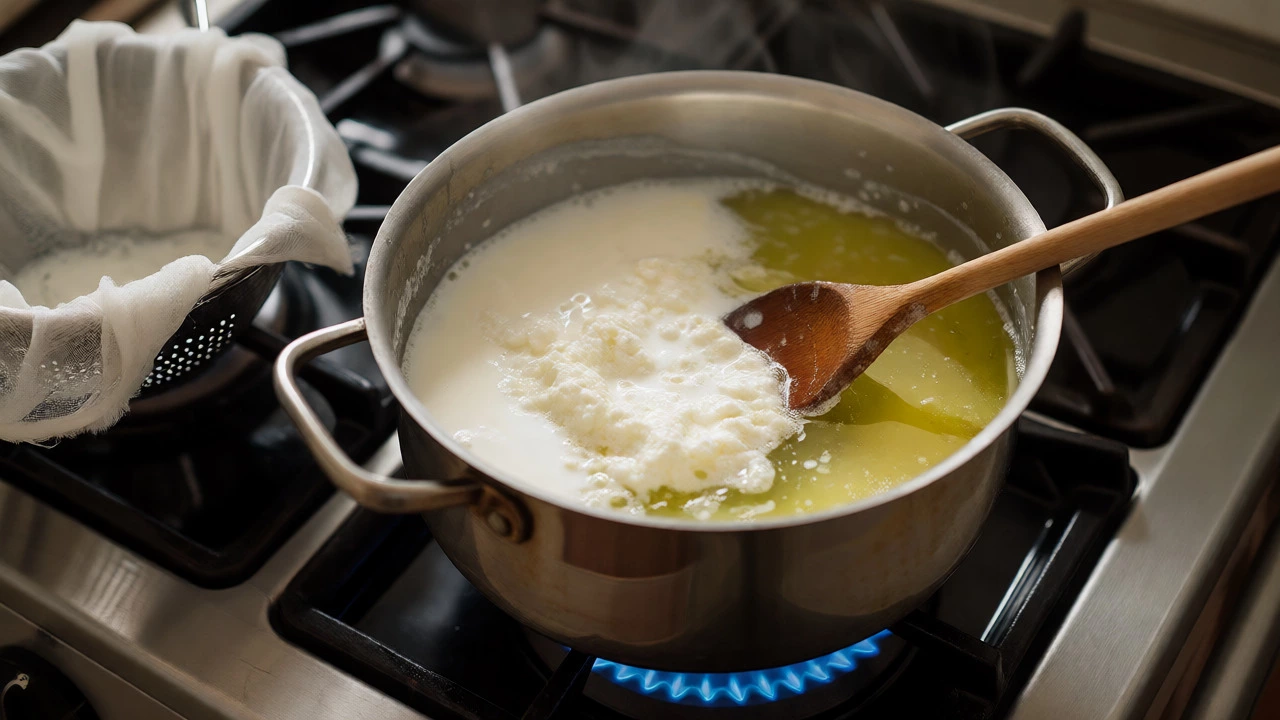
- Heat Gently: Pour the strained milk into a heavy-bottomed pan. Bring it to a boil over medium heat. Stir occasionally to prevent scorching at the bottom. Unlike fresh milk, soured milk can curdle faster, so keep an eye on it.
- Add Acid if Needed: Once it boils, watch for separation. If the milk doesn’t fully separate within a minute, add one tablespoon of lemon juice or white vinegar. Stir gently. The goal is clean separation: solid white curds and translucent whey.
- Drain the Whey: Turn off the heat. Line a colander with cheesecloth or a clean cotton towel. Pour the contents of the pan into the colander. Let the whey drain for 10-15 minutes. Do not rinse the curds with water unless you want a very mild flavor; rinsing washes away the tangy notes that define this type of paneer.
- Knead and Shape: Gather the edges of the cloth and twist to squeeze out excess moisture. The less water, the firmer the paneer. Knead the mass gently for a minute to form a smooth ball. Flatten it into a disc or block on a plate.
- Cool Down: Place a weight on top (like a heavy book or another plate with a jar of water) for 30 minutes. This presses out remaining whey and sets the structure.
| Feature | Fresh Milk Paneer | Soured Milk Paneer |
|---|---|---|
| Taste Profile | Mild, creamy, neutral | Tangy, robust, slightly acidic |
| Texture | Soft, spongy, moist | Firmer, denser, potentially grainier |
| Preparation Time | Longer (requires full curdling) | Faster (partial curdling already occurred) |
| Best Used For | Desserts, Palak Paneer, Tikka | Stir-fries, Parathas, Savory dishes |
| Safety Risk | Low | Moderate (depends on spoilage stage) |
Cooking Tips for Tangy Paneer
Paneer made from soured milk behaves differently than store-bought blocks. Because the protein structure is tighter and more acidic, it holds its shape better in high heat but can become tough if overcooked. Here’s how to adjust your recipes.
Use this paneer in dishes where a bit of tang complements the spices. Think Kadai Paneer or Paneer Bhurji. The acidity cuts through rich gravies and fried onions beautifully. Avoid using it in delicate desserts like Rasmalai or Sandesh, where the subtle sweetness of fresh milk is essential. The sour note will clash with the sugar and cardamom.
If you find the texture too crumbly, try blending the drained curds with a teaspoon of cream or butter before shaping them. This adds fat back into the mix, mimicking the mouthfeel of whole-milk paneer. Also, slice it thicker than usual. Thin slices of firm, tangy paneer can dry out quickly in a pan.
What to Do With the Leftover Whey
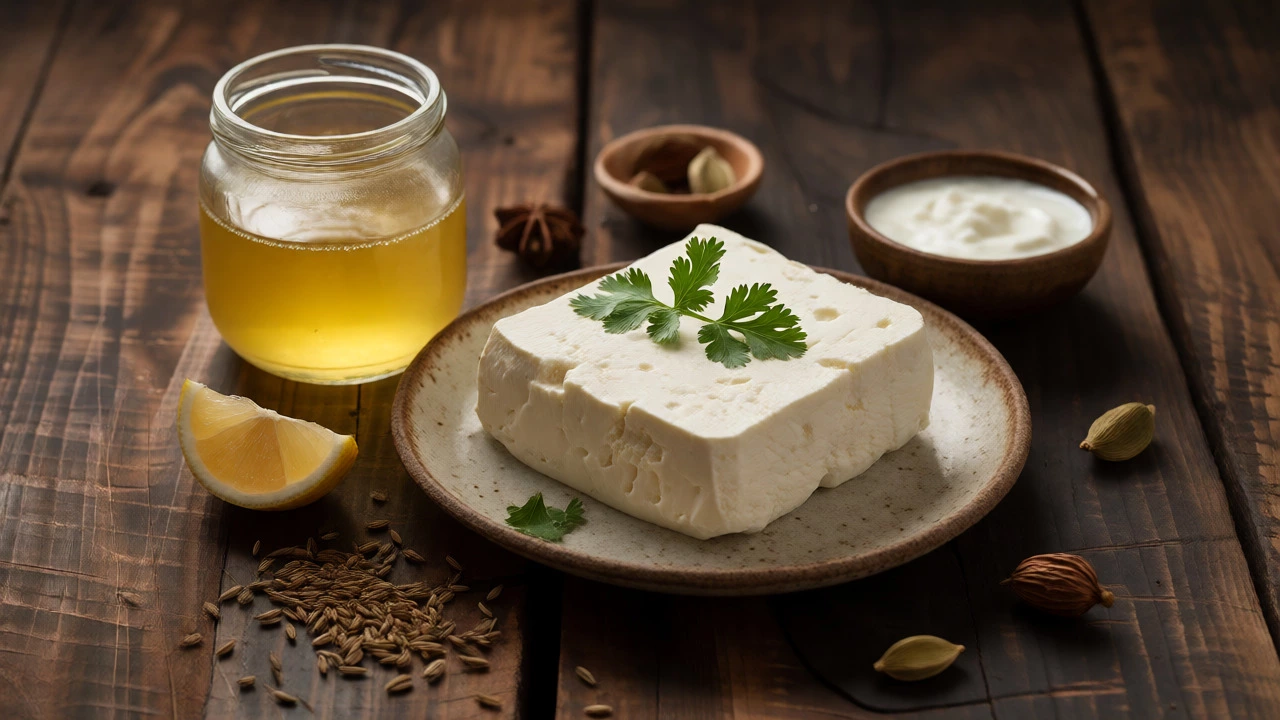
Don’t dump that yellowish liquid down the drain. Whey from soured milk is packed with protein and probiotics. It’s essentially liquid gold for your kitchen. You can use it as the base for making roti or chapati dough. The acidity reacts with baking soda or baking powder, creating lighter, softer breads.
Alternatively, freeze it in ice cube trays. Add a cube to your next dal or lentil soup for extra body and a slight tang. Some people drink it straight, diluted with water and a pinch of salt, as a digestive aid. Since the milk was already fermented, the whey is easier to digest than fresh whey for many people.
When to Throw It Away
There are limits to frugality. If the milk has been sitting in the fridge for weeks beyond the date, trust your nose over your wallet. If you notice any pink or orange discoloration, discard it immediately. This can indicate specific bacterial strains that produce pigments and toxins. Also, if the container is bloated, gas has built up inside, signaling active fermentation by undesirable organisms. In these cases, the risk of food poisoning outweighs the cost of a new gallon of milk.
Remember, paneer made from truly spoiled milk won’t kill you, but it will taste awful. Bitterness doesn’t cook out. If you take a bite of your finished product and it tastes metallic or overly sour, stop eating it. Next time, check the milk earlier in the spoilage process.
Is it safe to eat paneer made from expired milk?
Yes, if the milk only smells sour and looks normal without mold. The boiling process kills most harmful bacteria. However, if the milk smells rotten or has visible mold, it is unsafe to consume regardless of cooking.
Why does my soured milk paneer taste bitter?
Bitterness usually comes from over-boiling the milk or using milk that was too far gone in the spoilage process. Proteins break down excessively, releasing bitter compounds. Try straining the milk before boiling and removing it from heat as soon as curdling occurs.
Can I use UHT milk to make paneer?
UHT (Ultra-High Temperature) milk rarely spoils in the traditional sense; it tends to go flat or develop a cooked flavor rather than curdling nicely. It is difficult to make good paneer from UHT milk, especially once it's opened and aged. Pasteurized fresh milk is best.
How long does homemade paneer last?
Store homemade paneer in an airtight container submerged in cold water in the refrigerator. Change the water daily. It stays fresh for up to 3 days. For longer storage, freeze it for up to 3 months.
Do I need to add lemon juice if the milk is already sour?
Not always. If the milk separates completely upon boiling, no acid is needed. Adding a small amount of lemon juice ensures full separation and helps tighten the curds, giving you a higher yield of paneer.