Can You Ship Electronics from the US to India? A Complete Guide for 2026
Electronics Shipping Cost Calculator
Calculate Your Shipping Costs
Enter the value of your electronics to estimate customs duties and taxes when shipping from US to India.
Current Duty Rates
| Item Category | Basic Customs Duty (BCD) | IGST |
|---|---|---|
| Smartphones & Mobiles | 15% - 20% | 18% |
| Laptops & Computers | 10% - 15% | 18% |
| Consumer Electronics (TVs, Audio) | 15% - 25% | 18% - 28% |
| Industrial Components | Varies by HS Code | 18% |
Yes, you can ship electronics from the US to India, but it is not as simple as dropping a package at the post office. The short answer is yes, but the long answer involves navigating a maze of customs regulations, safety standards, and tax liabilities. If you are an individual sending a laptop to a family member or a business importing components for manufacturing, the rules differ significantly. Many people get stuck at the customs gate because they didn't check the specific compliance requirements for electrical goods.
India has strict import policies to protect local manufacturing and ensure consumer safety. When you ship electronics, you are dealing with more than just weight and dimensions. You are dealing with voltage standards, radio frequencies, and certification bodies that have the power to seize your shipment. Understanding these hurdles before you pack the box saves you from paying fines or losing the goods entirely.
Understanding Customs and Import Duties
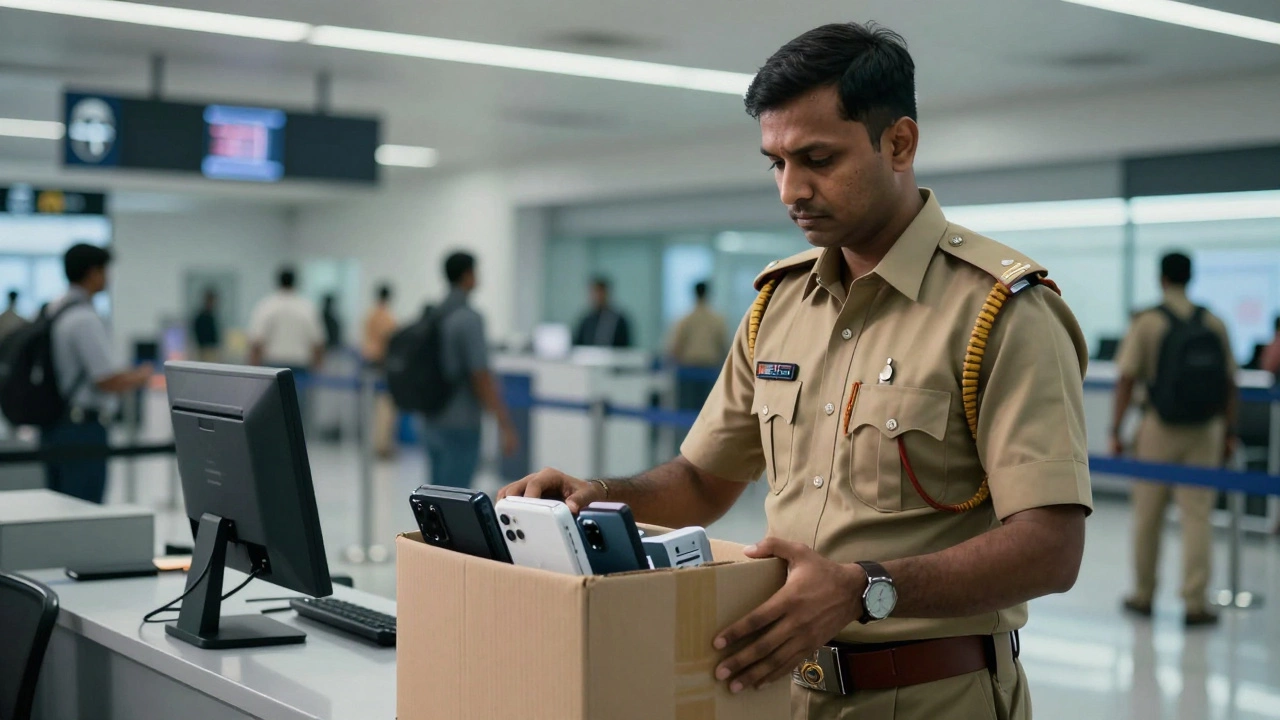
The first thing you need to know is that the Indian government charges money on almost everything coming in. This is known as customs duty. For electronics, this cost can be substantial. The Central Board of Indirect Taxes and Customs (CBIC) manages these charges. When your package arrives at an Indian airport or port, customs officers will assess the value and apply the appropriate tax.
There are usually two main taxes you will face. The first is the Basic Customs Duty (BCD), which varies depending on the type of electronic item. For example, smartphones might have a different rate than industrial machinery parts. The second is the Integrated Goods and Services Tax (IGST). This is a consumption tax applied to all goods entering the country. In 2026, the IGST rate typically sits around 18% for most electronics, but it can go higher for specific luxury items.
You also need to consider the exchange rate. Customs value is often calculated based on the transaction value, but if they suspect the declared price is too low, they will use their own assessment based on market rates. This means you should always declare the true value of the item on the shipping invoice. Hiding the real cost to save on taxes is a risky move that often leads to delays and penalties.
| Item Category | Basic Customs Duty (BCD) | Integrated GST (IGST) |
|---|---|---|
| Smartphones & Mobiles | 15% - 20% | 18% |
| Laptops & Computers | 10% - 15% | 18% |
| Consumer Electronics (TVs, Audio) | 15% - 25% | 18% - 28% |
| Industrial Components | Varies by HS Code | 18% |
These rates are estimates and can change based on trade agreements. The India-US trade relationship fluctuates, so checking the current tariff schedule before shipping is a must. If you are importing for resale, you can claim back some of the GST if you have a valid GST number. However, for personal use, these taxes are final costs that you must pay to release the goods.
The BIS Certification Requirement
One of the biggest hurdles for electronics is the Bureau of Indian Standards (BIS) certification. This is a mandatory requirement for many electronic products entering India. The government uses this system to ensure that products meet specific safety and quality standards. Without this certification, customs will reject the shipment, and it will likely be returned or destroyed.
Bureau of Indian Standards is the national standards body of India that issues mandatory certification for various products including electronics. Not every gadget needs it, but most do. Items like mobile phones, laptops, adapters, and certain home appliances fall under the compulsory registration scheme. If you are shipping a single laptop for personal use, you might get away without it if the officer is lenient, but for commercial quantities, it is non-negotiable.
For businesses, this means you need to register the product with BIS before shipping. This involves testing the product in an accredited lab and paying registration fees. The process can take weeks. If you are an individual, you should check the list of notified products on the BIS website. If your item is on the list, you might need to ask the seller in the US to provide the BIS registration number for that specific model.
Some products also require Wireless Planning and Coordination (WPC) clearance. This applies to devices with wireless capabilities, such as Wi-Fi routers, Bluetooth headphones, or smartphones. The WPC ensures that the radio frequencies used do not interfere with local networks. If you ship a router without this clearance, it will be held at customs until you provide the necessary documents.
Restricted and Prohibited Items
Not all electronics are allowed to cross the border freely. There is a list of prohibited items that you cannot ship under any circumstances. This includes certain types of surveillance equipment, encrypted communication devices, and military-grade technology. Shipping these items can lead to serious legal trouble, not just a rejected package.
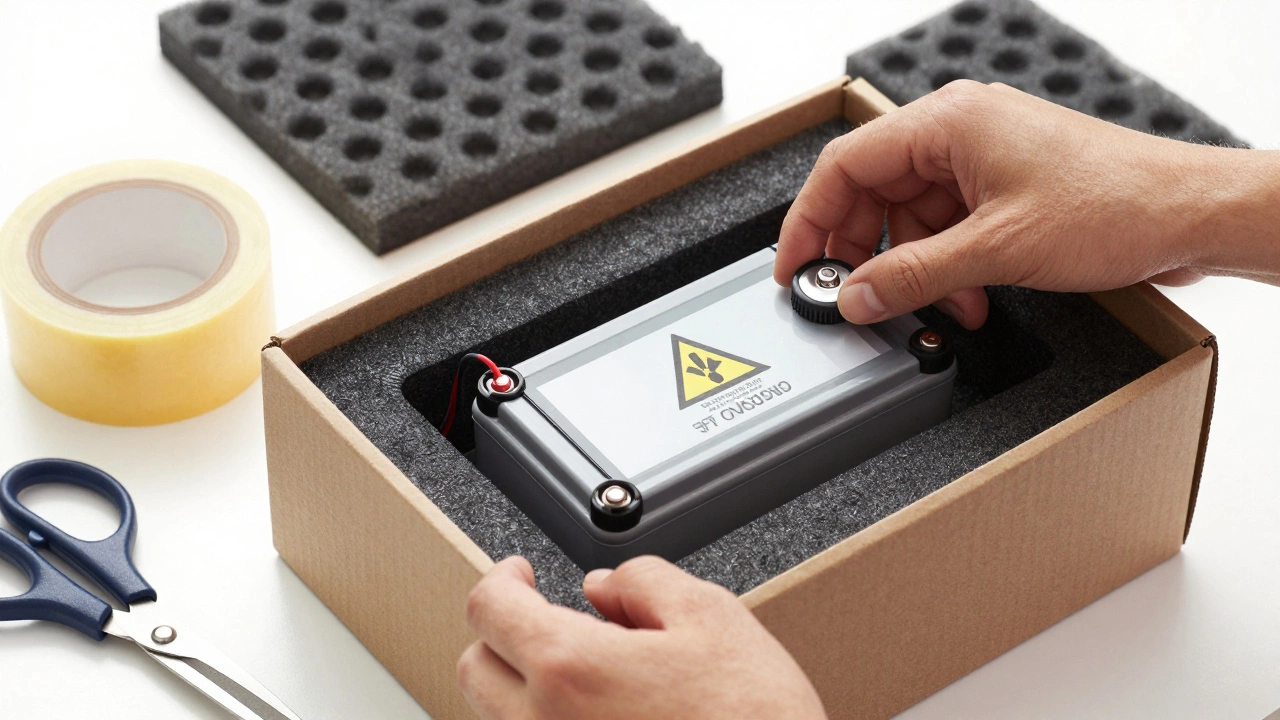
There are also restricted items that require special permission. For example, drones have very strict rules in India. You cannot simply mail a drone from the US to India. You need to apply for permission from the Directorate General of Civil Aviation (DGCA). Similarly, certain batteries are classified as dangerous goods. Lithium-ion batteries, which are common in almost all electronics, have specific shipping rules regarding packaging and labeling.
When shipping batteries, you must declare them as dangerous goods. Most courier companies like FedEx or DHL have specific guidelines for this. They usually require the batteries to be installed in the device or packaged in a specific way to prevent short circuits. If you ship loose batteries without proper declaration, the carrier might refuse to handle the package at the US end, or customs might seize it upon arrival in India.
Choosing the Right Logistics Partner
How you ship the electronics matters just as much as what you ship. You generally have two main options: standard postal services or private courier companies. India Post is cheaper, but it is slower and offers less tracking visibility. Private couriers like FedEx, DHL, and UPS are faster and handle customs clearance more professionally, but they charge higher shipping fees.
FedEx is a global courier delivery services company that offers integrated logistics solutions including customs brokerage. These companies often have customs brokers on the ground in India. They can help you navigate the paperwork and pay duties on your behalf. However, they will charge a brokerage fee for this service. This fee can be significant, sometimes adding $50 to $100 to your total cost.
For large shipments, such as importing components for manufacturing, you should use a freight forwarder. A freight forwarder manages the entire logistics process, including air or sea freight, insurance, and customs clearance. They understand the nuances of commercial imports better than standard couriers. If you are shipping pallets of circuit boards or servers, a freight forwarder is your best bet to avoid delays.
Insurance is another critical factor. Electronics are fragile and valuable. If the package gets damaged or lost, you want to be compensated. Standard shipping insurance might not cover the full value of high-end electronics. You should purchase additional insurance that covers the declared value of the goods. Check the terms carefully to see if it covers customs delays or seizure.
Personal vs Commercial Shipping Rules
The rules change depending on whether you are shipping for personal use or for business. If you are sending a gift to a friend, the customs officer might allow it under the "gift" category, but there is a value limit. If the value exceeds a certain threshold, usually around 50,000 INR, it will be taxed as a regular import. You cannot avoid taxes by marking a $2,000 laptop as a $50 gift. Customs officers are trained to spot this.
For commercial shipments, the documentation is much stricter. You need a commercial invoice, a packing list, and a bill of lading or air waybill. You also need to provide the Harmonized System (HS) code for the product. The HS code is an international standard for classifying traded products. It determines the duty rate. Using the wrong HS code can lead to incorrect tax calculations and penalties.
If you are importing for resale, you need an Import Export Code (IEC). This is a license issued by the Directorate General of Foreign Trade (DGFT). Without an IEC, you cannot clear commercial goods through customs. The process to get an IEC is online and relatively quick, but you must have it before the goods arrive. If you are setting up a manufacturing unit in India, this is one of the first licenses you should secure.
Documentation Checklist for Shippers
To ensure your shipment moves smoothly, prepare the following documents before you hand over the package. Missing paperwork is the most common cause of delays at customs. Keep digital copies of everything on your phone or email so you can forward them to the recipient in India if they are asked for them.
- Commercial Invoice: Must show the seller and buyer details, item description, quantity, and value.
- Packing List: Details of how the items are packed, including weight and dimensions.
- Bill of Lading or Air Waybill: The contract of carriage between you and the carrier.
- Proof of Payment: Bank statements or receipts showing the transaction value.
- Warranty Card: Sometimes requested to prove the item is genuine and not counterfeit.
- BIS Certificate: If applicable for the specific electronic product.
- WPC Clearance: If the device has wireless capabilities.
Make sure the names on the invoice match the names on the shipping address exactly. Discrepancies here can raise red flags for customs officers. Also, write the description of the goods clearly. Instead of writing "Electronics," write "Apple MacBook Pro 16-inch, Model A2141." Specificity helps the officer classify the item correctly and apply the right duty rate.
Common Pitfalls to Avoid
Many people make the mistake of underdeclaring the value of the item. They think it will save them money on taxes. This is a dangerous strategy. Customs officers have access to databases of current market prices. If they see a laptop declared at $200 when it costs $1,500, they will flag the shipment. This leads to an investigation, which can take weeks to resolve. In the worst case, the goods are seized for fraud.
Another common issue is ignoring the voltage standards. The US uses 110V, while India uses 230V. If you ship an appliance that is not dual-voltage, it will not work in India. While this is not a customs issue, it is a practical one. Ensure the electronics you ship are compatible with Indian power outlets. You might also need to send a plug adapter along with the device.
Finally, do not ship used electronics without declaring them as used. Some countries have restrictions on importing second-hand goods to prevent the dumping of e-waste. India has strict e-waste management rules. If you are shipping old equipment for disposal or recycling, you need to follow specific hazardous waste protocols. It is generally better to ship new items for personal or commercial use.
Is it legal to ship a personal laptop from the US to India?
Yes, it is legal to ship a personal laptop. You will need to pay customs duty and IGST upon arrival. Ensure the laptop is new or properly declared as used if shipping for personal use. You may need to provide proof of purchase to validate the value.
What is the total cost to import electronics?
The total cost includes the shipping fee, Basic Customs Duty (BCD), and Integrated Goods and Services Tax (IGST). For most electronics, expect to pay around 35% to 45% of the item's value in taxes and duties. Courier brokerage fees may add an extra $50 to $100.
Do I need BIS certification for one mobile phone?
For a single mobile phone for personal use, customs usually does not demand BIS certification at the individual level. However, if you are importing multiple phones or for commercial resale, BIS registration is mandatory. It is safer to check the specific model's compliance status.
How long does it take for electronics to reach India?
Air freight usually takes 3 to 7 business days for delivery. However, customs clearance can add 2 to 5 days. If there are documentation issues or if the shipment is selected for physical inspection, it can take up to 2 weeks or more.
Can I ship lithium batteries separately?
Shipping loose lithium batteries is highly restricted. They are considered dangerous goods. Most couriers require them to be installed in the device. If you must ship them separately, you need special packaging and UN certification documentation.