Can I Export My Car from USA to India? Complete Guide to Customs, Costs & Rules
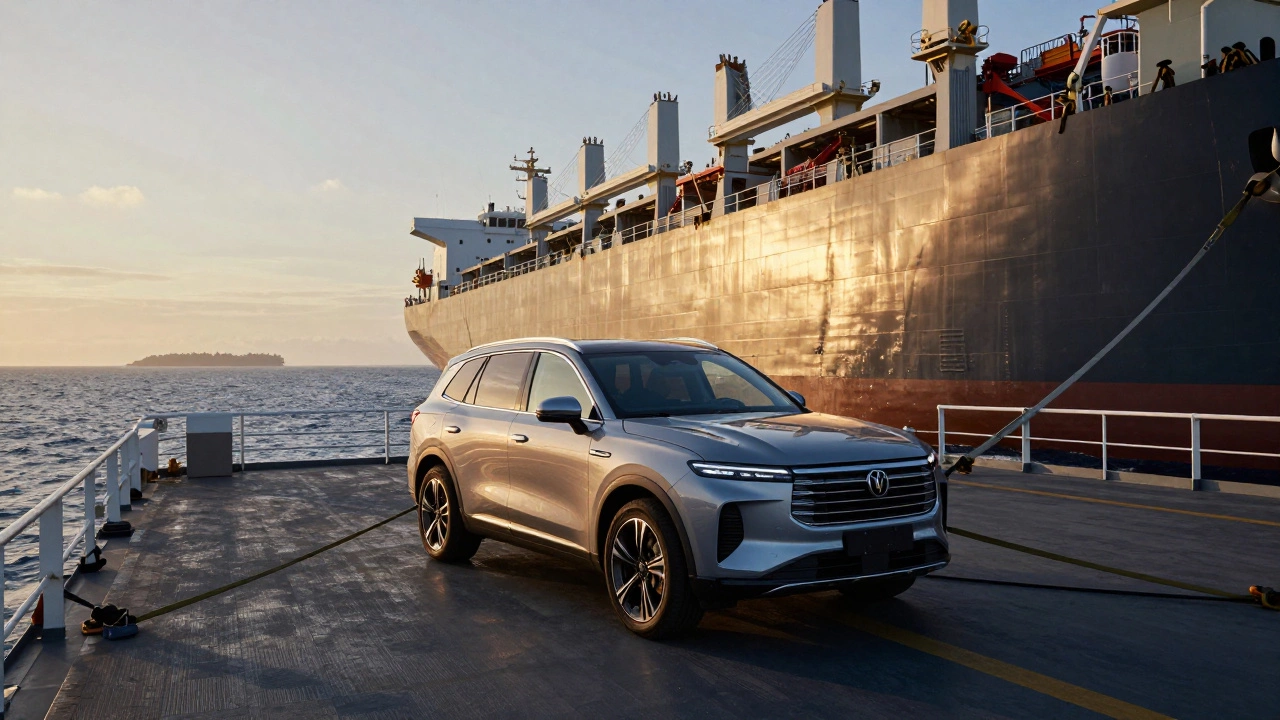
Buying a car in the United States feels like winning the lottery. You get massive engines, loaded tech packages, and prices that often undercut what you’d pay for similar models back home. But when you look at the price tag for shipping that vehicle across the ocean and clearing it through Indian customs, the dream can quickly turn into a financial nightmare. So, can you actually export your car from the USA to India? The short answer is yes, but the long answer involves navigating a maze of government regulations, steep taxes, and strict technical standards.
If you are an NRI (Non-Resident Indian) or someone moving permanently to India, this process is manageable if you know the rules. For everyone else, it’s usually not worth the hassle. Before we break down the paperwork and costs, let’s set realistic expectations. Importing a used car from the US to India is expensive-often doubling or tripling the car's original value once it hits the road in Mumbai or Delhi.
| Aspect | Detail |
|---|---|
| Eligibility | NRI/PIO returning residents only; general public restricted. |
| Age Limit | Vehicle must be less than 30 months old from date of manufacture. |
| Import Duty | Ranges from 74% to 125% depending on engine size and fuel type. |
| Key Agency | CBIC (Central Board of Indirect Taxes and Customs). |
Who Is Actually Allowed to Import a Car?
The first hurdle isn’t money; it’s permission. The Government of India does not allow just anyone to bring a foreign car into the country. This restriction exists to protect local automobile manufacturers and ensure vehicles meet specific safety and emission norms. According to current guidelines issued by the Ministry of Commerce and Industry, which regulates international trade policies and import-export codes in India, only specific categories of people can import used vehicles.
You generally fall into one of two eligible groups:
- NRIs Returning Residents: If you have been living abroad for at least three years and are now returning to India to stay permanently, you may import one used car under the "Returning Resident" scheme.
- Diplomats and Foreign Officials: Individuals holding diplomatic visas or those working for international organizations with specific exemptions.
If you are an Indian citizen living in India, or even an NRI who hasn't lived outside the country for the required period, you cannot legally import a used car for personal use. You would have to buy a new car directly from an authorized dealer in India. Trying to bypass these rules by misdeclaring your status can lead to severe penalties, including confiscation of the vehicle and legal action.
For those who qualify, there is a nuance. The car must have been owned by you for at least one year before you ship it. You can’t just buy a car in Texas last week and ship it next month. This rule prevents people from exploiting the system to avoid domestic taxes. Additionally, you can only import one such vehicle during your lifetime as a returning resident. Make sure it’s the right choice.
The Age Limit Rule: Why Your Dream Car Might Be Too Old
Even if you are eligible, the age of the car matters immensely. This is where many enthusiasts hit a wall. The Indian government mandates that any imported used vehicle must not be more than 30 months (2.5 years) old from its date of manufacture. Not the date of purchase, but the date it rolled off the assembly line.
This rule is strict. If your 2024 model was manufactured in late 2021, it might already be disqualified. The logic behind this is twofold: environmental protection and consumer safety. Older cars often lack modern emission control technologies like OBD-II systems compliant with BS-VI norms (India’s equivalent to Euro 6). They also may not have the latest crash safety features mandated for new vehicles sold domestically.
To verify the age, you will need the vehicle’s Certificate of Origin or the manufacturer’s statement of origin. This document clearly states the build date. When negotiating the sale of your US car, ask for this document upfront. If the seller doesn’t have it, you can request it from the manufacturer using the VIN (Vehicle Identification Number), but this adds time and complexity to the process.

Understanding the True Cost: Duties and Taxes
Let’s talk numbers, because this is the deal-breaker for most people. The cost of importing a car to India is dominated by customs duties. These aren’t flat fees; they are percentages applied to the assessable value of the car, which includes the purchase price, insurance, and freight costs (CIF value).
The basic customs duty varies based on the engine capacity and whether the vehicle runs on petrol, diesel, or electricity. Here is a rough breakdown based on recent fiscal policies:
- Petrol Cars (Engine up to 1.5L): Basic duty around 74-100%.
- Petrol Cars (Engine above 1.5L): Basic duty can jump to 125% or higher.
- Diesel Cars: Generally attract higher duties due to stricter emission concerns.
- Electric Vehicles (EVs): Currently enjoy lower duty rates to promote green energy, often around 15-20%, but this is subject to change as EV manufacturing scales up locally.
On top of the basic customs duty, you must pay:
- Social Welfare Surcharge: Typically 10% of the basic customs duty.
- Integrated GST (IGST): Usually 28% on the total value after adding basic duty and surcharge.
- Cess: Additional health and education cesses.
When you stack all these layers, the effective tax rate can exceed 100% of the car’s value. For example, if you buy a $30,000 SUV in the US, you might end up paying another $30,000 to $40,000 in taxes alone, plus shipping and handling. Compare this to buying the same model new in India, and the savings disappear unless you bought a highly discounted or rare trim level in the US.
Step-by-Step Process to Ship Your Car
If you’ve done the math and decided to proceed, here is how you physically move the car. This process requires precision. One missing document can hold your car at the port for weeks, accruing storage fees.
1. Gather Documentation
You need a complete file before the car leaves the US. Essential documents include:
- Title of Ownership (clean title, no liens)
- Bill of Sale
- Certificate of Origin
- Proof of Residence Abroad (for NRI eligibility)
- Passport Copy
- Insurance Documents
2. Choose a Shipping Method
There are two main ways to ship a car: Roll-on/Roll-off (RoRo) and Container Shipping. RoRo is cheaper because you drive the car onto the ship, but it exposes the vehicle to salt air and potential damage. Container shipping is more expensive but safer, as the car is sealed inside a container. For high-value vehicles, container shipping is recommended. Ensure your chosen freight forwarder is experienced with Indian customs clearance.
3. Clear Customs in India
Upon arrival at an Indian port (like Mumbai, Chennai, or Kolkata), your customs broker will submit the documents to the Central Board of Indirect Taxes and Customs (CBIC), which administers the collection of indirect taxes and customs duties in India. An officer will inspect the vehicle to verify the VIN, condition, and compliance with declared details. Once approved, you pay the assessed duties.
4. RTO Registration
After clearing customs, you don’t just drive away. You must register the vehicle with the local Regional Transport Office (RTO). This involves:
- Submitting Form 20 and Form 22
- Providing proof of insurance valid in India
- Paying road tax (which varies by state)
- Getting a new license plate
The RTO will issue a temporary permit while the permanent registration is processed. Without this, driving the car is illegal.

Hidden Challenges and Pitfalls
Beyond the obvious costs, there are hidden challenges that catch many importers off guard. First, consider maintenance. US-spec cars are designed for American fuel grades and climate conditions. While modern engines are adaptable, parts availability can be an issue. If your car has a specialized infotainment system or unique body panels, finding replacements in India might mean waiting months for imports from the US.
Second, think about resale value. Imported cars often have poor resale value in India. Buyers prefer locally sourced vehicles with known service histories and warranty support. An imported car, especially one with a non-standard specification, can be hard to sell later.
Third, be aware of changing regulations. Import policies can shift with government budgets. What is allowed today might be restricted tomorrow. Always check the latest notifications from the Ministry of Commerce before finalizing your purchase in the US.
For those interested in exploring other cross-border opportunities or resources related to international services, you might find useful information at kizdar net, though it serves a completely different niche. Staying informed through reliable channels is key when dealing with international logistics.
Is It Worth It?
So, should you export your car from the USA to India? For most people, the answer is no. The combination of high duties, strict age limits, and complex paperwork makes it financially impractical unless you are importing a rare collector’s item or a specific electric vehicle not available in India.
However, if you are an NRI returning home after decades abroad, and you have a deep emotional attachment to your vehicle, it can be done. Just go in with your eyes open. Budget for at least double the car’s purchase price, prepare for months of administrative work, and consult with a customs broker early in the process. Don’t rely on generic advice online; every case is unique.
Before making a decision, compare the total landed cost of importing against the price of buying a comparable new car in India. In many cases, you’ll find that buying local saves you money, stress, and time. But if your heart is set on bringing your American ride home, follow the steps outlined here, keep meticulous records, and stay patient. The journey is long, but with the right preparation, it is possible.
Can I import a used car from the USA to India if I am not an NRI?
Generally, no. The Indian government restricts the import of used vehicles primarily to NRIs who are returning residents after living abroad for at least three years. Regular citizens or tourists cannot import used cars for personal use due to protective trade policies aimed at supporting domestic automobile manufacturing.
What is the maximum age of a car that can be imported to India?
The vehicle must not be more than 30 months (2.5 years) old from its date of manufacture. This rule applies to all imported used passenger vehicles. The age is determined by the Certificate of Origin, not the date of purchase.
How much does it cost to ship a car from the USA to India?
Shipping costs vary based on the method chosen. Roll-on/Roll-off (RoRo) shipping typically ranges from $1,000 to $2,500, while container shipping can cost between $2,500 and $5,000. These figures do not include customs duties, insurance, or port handling fees, which add significantly to the total expense.
Do I need to modify my US car to meet Indian standards?
Yes, some modifications may be required. Indian regulations mandate specific headlight beam patterns, speedometer readings in km/h, and horn types. Additionally, the vehicle must comply with BS-VI emission norms. Failure to meet these standards can result in rejection during customs inspection or inability to register the vehicle with the RTO.
Can I import an electric vehicle (EV) from the USA to India?
Yes, and it is often more cost-effective than importing petrol or diesel cars. Electric vehicles currently benefit from lower import duties, ranging from 15% to 20%, as part of India’s initiative to promote green mobility. However, the 30-month age limit still applies, and you must ensure the charging infrastructure is compatible with Indian standards.