Can I Carry a 65 Inch TV to India from the USA? Customs & Logistics Guide
TV Import Cost Estimator: USA to India
Enter your TV details to see if bringing it back is worth the hassle and cost.
Your TV Details
Cost Breakdown
Enter your data and click Calculate to see the verdict.
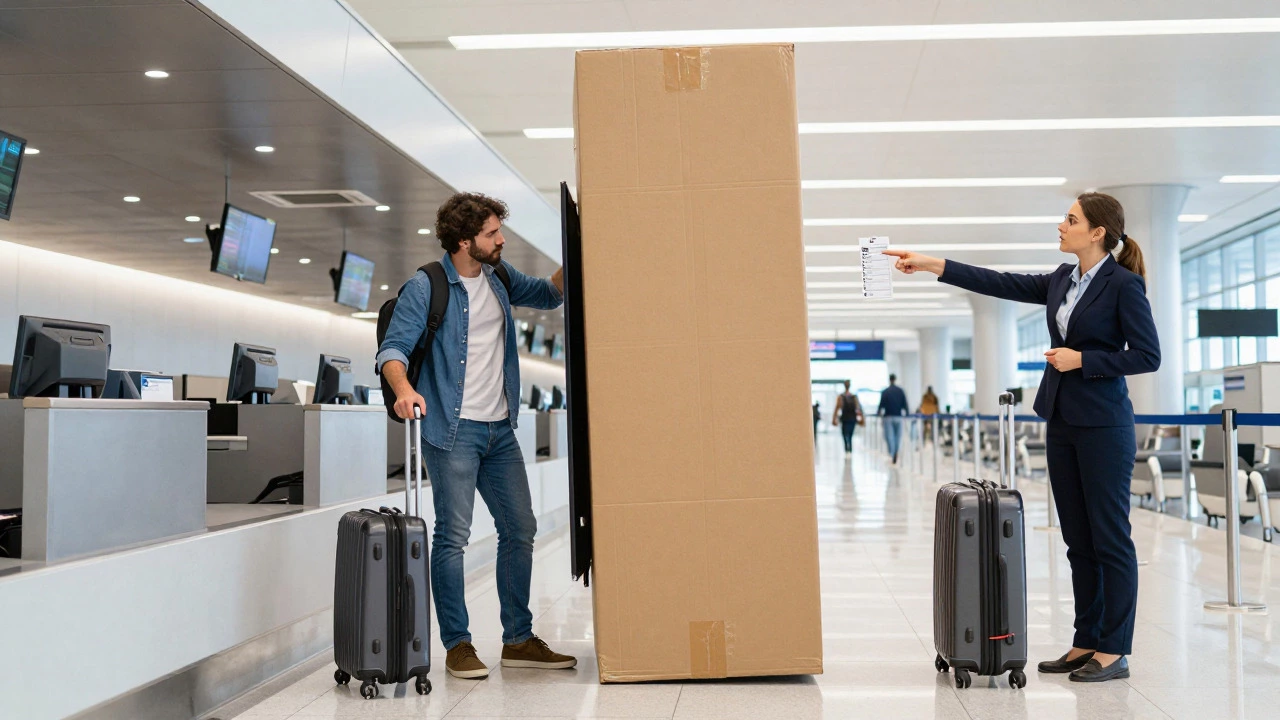
You just bought a shiny new 65-inch OLED for a steal in New Jersey. You’re flying back to Delhi next week, and you think, "Why not just toss it in my checked luggage?" It sounds simple. But here is the harsh reality: most airlines will refuse to let you check a box that size without paying a massive oversize fee, and Indian Customs might slap you with a bill higher than what you saved on the TV.
So, can you actually do it? Technically, yes. Practically? It’s a logistical nightmare filled with hidden costs. This guide breaks down exactly what happens when you try to carry TV to India as a passenger, where the money goes, and whether it’s worth the headache compared to buying one locally.
The Airline Reality Check: Size Matters More Than Weight
Before you even worry about customs, you have to get past the airline counter. A standard 65-inch TV comes in a box roughly 60-64 inches wide. Add protective foam, and you’re looking at a package over 70 linear inches (length + width + height). Most US airlines define "oversize" baggage as anything over 62 linear inches.
What does this mean for your wallet?
- Delta/United/American: They typically charge $100-$200 extra per piece for oversize bags. Some may cap the maximum dimension at 98 inches, but a 65-inch TV box often hits the limit of what they accept as standard checked luggage.
- Damage Risk: TVs are fragile. Airlines treat checked bags like rugby balls. Unless you buy expensive insurance or pack it in a hard-shell crate (which adds weight), you risk arriving with a cracked screen. And no, the airline’s liability for damaged electronics is usually capped at around $3,500, but proving negligence takes months.
- Space Issues: If you’re flying economy, you likely already have two checked bags. Adding a third huge item might violate your ticket’s baggage allowance entirely.
If you manage to squeeze it through, you’ve only solved half the problem. Now you land in India.
Indian Customs Rules: The Personal Baggage Allowance
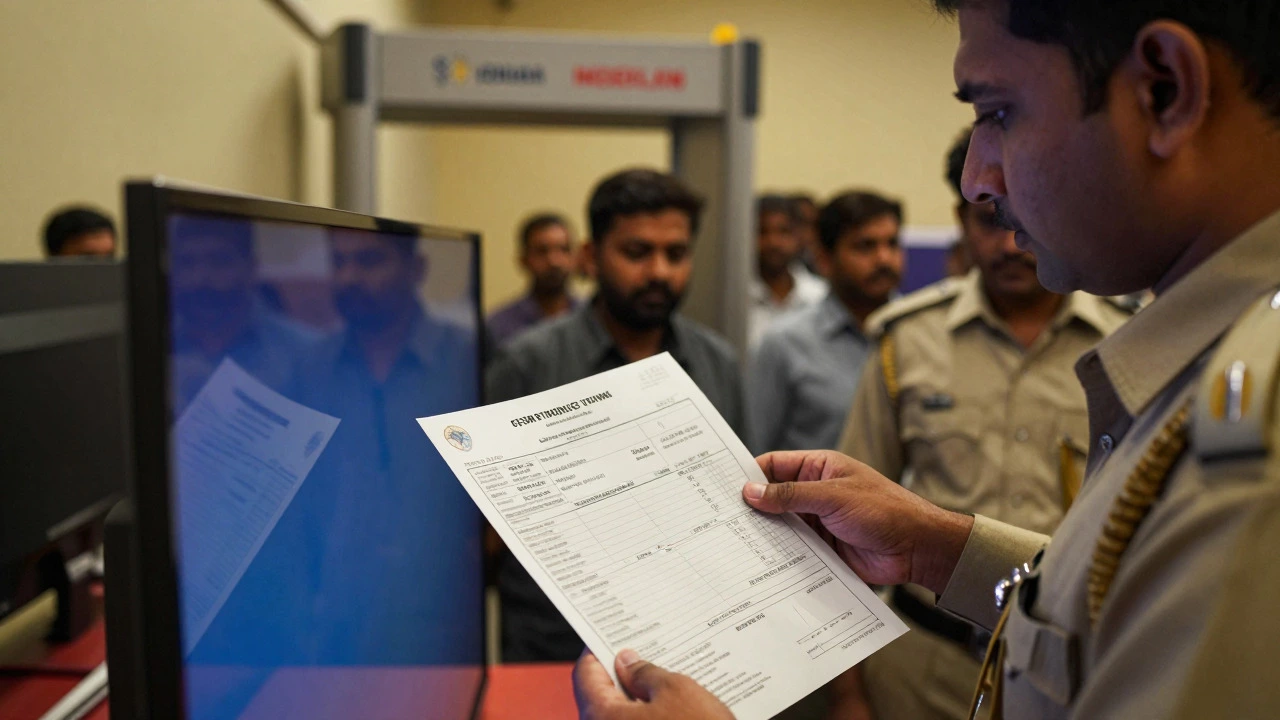
This is where most people get tripped up. Indian Customs operates under strict rules regarding "personal baggage." You are allowed to bring goods for personal use free of duty up to a certain value. For passengers returning to India after staying abroad for more than three days, the duty-free allowance is ₹50,000 (approx. $600 USD) for general items, plus a separate allowance for laptops and mobile phones.
Here is the critical catch: Electronics are scrutinized heavily. While there isn’t a specific ban on TVs, Customs officers look at quantity and value. If you carry one used TV, you might argue it’s for personal use. But if the invoice shows a price tag of $1,500, and you don’t have a laptop or other high-value items to balance your declaration, you are technically exceeding the duty-free threshold.
| Cost Factor | Carry from USA | Buy in India |
|---|---|---|
| Base Price (65" Mid-range) | $800 - $1,200 | ₹60,000 - ₹90,000 ($720 - $1,080) |
| Airline Oversize Fee | $100 - $200 | $0 |
| Customs Duty (if caught/declared) | ~40% of value | Included in retail price |
| Risk of Damage | High | Low (Local warranty applies) |
| Warranty Coverage | Limited/None | Full Local Warranty |
If Customs decides your TV exceeds the personal allowance, you pay duty. The rate for consumer electronics imported into India is generally around 40% (Basic Customs Duty + Social Welfare Surcharge + IGST). Yes, forty percent. On a $1,000 TV, that’s an extra $400 tax right at the airport.
The "Used" Loophole: Does It Work?
Many travelers ask, "If I remove the packaging and say it’s my old TV, will I be safe?" It’s a risky gamble. Customs officers are experienced. They know that a brand-new Sony Bravia doesn’t come out of a suitcase wrapped in a t-shirt without a scratch-free box. If you present a TV in its original shrink-wrap, it screams "new purchase."
To claim it’s used, you need evidence. Do you have a receipt from five years ago? Unlikely. Without proof of prior ownership, Customs assumes it’s a new import. Furthermore, India restricts the import of certain second-hand electronics to prevent e-waste dumping. While personal baggage has leniency, carrying multiple large electronic items raises red flags.
Voltage and Compatibility: The Silent Killer
Let’s assume you beat the airline fees and dodge the customs officer. You get home, plug it in, and... nothing. Or worse, smoke.
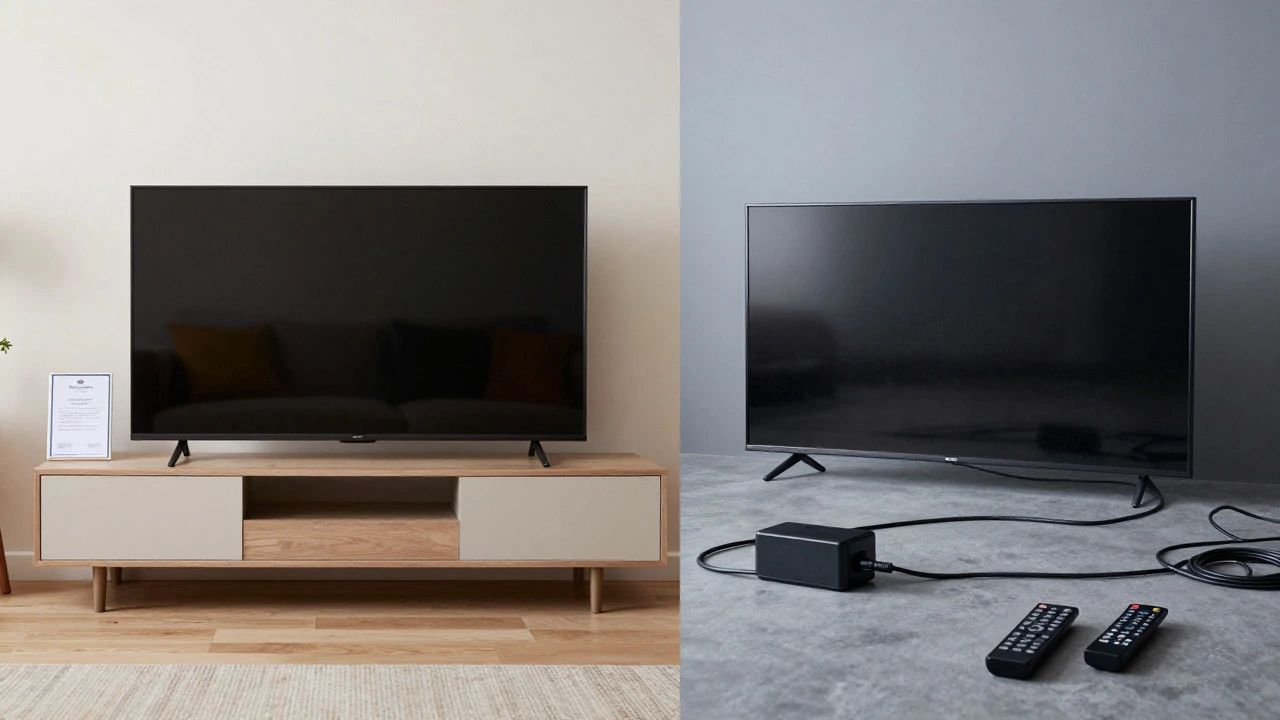
Most modern TVs are dual-voltage (100V-240V), so they work fine in India’s 230V supply. However, you must check the label on the back of the unit. If it says "120V Only," you cannot plug it directly into an Indian socket. You’ll need a heavy-duty step-down transformer, which is bulky, ugly, and prone to overheating with high-power devices like OLEDs.
Also, consider the smart features. A US model might lack access to popular Indian streaming apps like JioCinema or Hotstar by default, requiring sideloading or external sticks. Plus, the remote controls often differ in layout, and customer support for a US-bought model in India is virtually non-existent. If the panel fails, finding a replacement part compatible with a US SKU can take weeks.
Shipping vs. Carrying: When to Choose Courier
If you absolutely must bring a specific model from the US, courier services (DHL, FedEx, UPS) are often safer than carrying them yourself. Why?
- Insurance: You can insure the full value easily.
- Handling: Specialized logistics handle fragile electronics better than baggage handlers.
- Clearance: Couriers handle customs clearance paperwork for you. You pay the duty upfront or upon delivery, avoiding awkward confrontations at the airport.
However, shipping is expensive. Expect to pay $150-$300 for shipping alone, plus the same ~40% customs duty. In many cases, the total landed cost equals or exceeds the price of buying the TV locally in India.
Verdict: Is It Worth It?
For 95% of travelers, carrying a 65-inch TV from the USA to India is a bad financial decision. The savings on the sticker price are wiped out by airline oversize fees, potential customs duties, and the loss of local warranty.
You should only consider this if:
- The TV is a rare model unavailable in India.
- You found an extreme discount (e.g., 50% off Black Friday).
- You are willing to pay the ~40% duty happily because the final price is still lower than India’s retail.
- You have comprehensive travel insurance covering electronics damage.
Otherwise, save your back and your wallet. Buy the TV in India. Prices have dropped significantly due to local manufacturing incentives, and you get peace of mind with a valid warranty.
Do I have to declare a TV bought in the USA at Indian Customs?
Yes, if the total value of your goods exceeds the duty-free allowance (₹50,000 for residents). Even if within allowance, declaring high-value electronics like a 65-inch TV helps avoid confiscation or fines if inspected. Always keep the purchase invoice handy.
How much customs duty is charged on electronics in India?
Consumer electronics typically attract Basic Customs Duty (BCD) of 15-20%, plus Social Welfare Surcharge and Integrated Goods and Services Tax (IGST) of 18%. The effective total duty often ranges between 35% to 42% of the assessed value.
Can I put a 65-inch TV in carry-on luggage?
No. A 65-inch TV is too large and heavy for cabin baggage limits (usually 55cm x 40cm x 20cm and 7kg). It must be checked in, subject to airline oversize baggage policies.
Is it cheaper to ship a TV from USA to India?
Shipping is often more expensive than carrying due to freight costs ($150-$300+) plus the same customs duties. However, it reduces physical strain and damage risk. Compare the total landed cost against local Indian prices before deciding.
Will my US TV warranty work in India?
Generally, no. Warranties are region-specific. A TV purchased in the USA usually requires service in the USA. International warranties exist but are rare and complex. Assume you will have no warranty coverage in India.