Buttermilk vs Yogurt for Marinating Chicken: Which Makes Better Tandoori?
Tandoori Marinade Decision Tool
Configure Your Dish
Select your parameters to find the best dairy base.
Yogurt
95% MatchExcellent choice for roasting fatty cuts.
Alternative Option
40% MatchButtermilk
Better if you want a lighter profile.
Select your options and click "Analyze" to see our recommendation.
Picture this: you are standing in your kitchen, ready to make the most flavorful Tandoori Chicken, a classic North Indian dish where chicken is marinated in spices and yogurt or buttermilk, then roasted at high heat. You have your spices mixed-turmeric, cumin, coriander, garam masala-and you reach for the dairy. Do you grab the carton of buttermilk or the tub of thick Greek yogurt? It seems like a small choice, but it changes everything about the texture, flavor, and crust of your final dish.
I have spent years testing these two methods side by side. The short answer? Neither is strictly "better." They do different jobs. If you want that authentic, charred, restaurant-style skin with deep spice penetration, yogurt is your best friend. If you want incredibly juicy, fall-off-the-bone meat with a lighter, tangier profile, buttermilk wins. Let’s break down exactly why, so you can pick the right tool for the meal you’re planning.
The Science Behind the Sour Dairy
To understand why we use acidic dairy on chicken, we need to look at what happens at a molecular level. Chicken breast and thighs contain proteins called myofibrils. When you apply acid, those proteins unwind slightly. This process, known as denaturation, allows the meat fibers to relax. Relaxed fibers mean tender meat. But there is a catch. If the acid is too strong or sits for too long, the proteins break down completely, turning your chicken mushy and chalky.
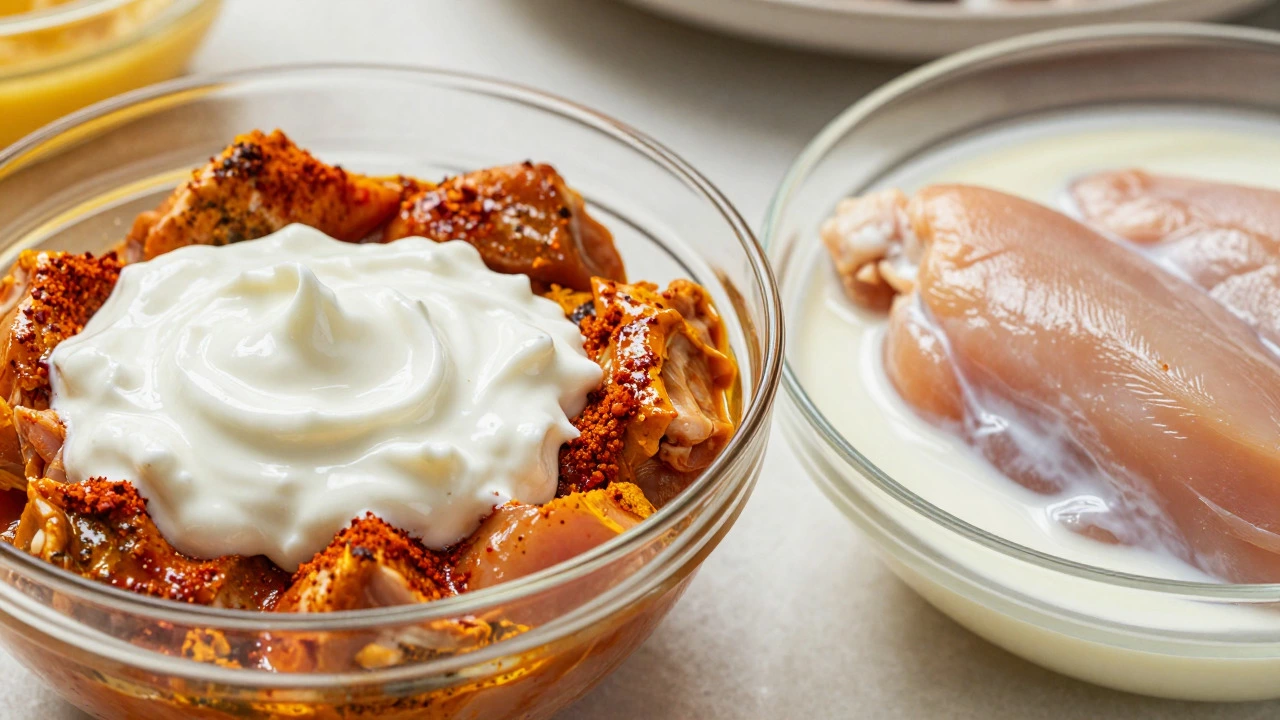
Yogurt is a fermented milk product containing lactic acid bacteria, resulting in a pH typically between 4.0 and 4.6. Its thickness comes from casein proteins that trap water. This structure is key. The fat content in full-fat yogurt coats the chicken, creating a barrier that prevents the acid from attacking the meat too aggressively. It tenderizes slowly and evenly.
Buttermilk is the liquid remaining after churning butter, or cultured buttermilk made by fermenting skim milk with lactic acid bacteria, having a pH around 4.5. It is thinner, watery, and has less fat than traditional yogurt. Because it lacks that thick protein matrix, the acid penetrates faster. This makes it a more aggressive tenderizer, which is great for quick results but risky if you leave it overnight.
Yogurt: The King of Texture and Char
If you are aiming for that iconic tandoori chicken look-the red-orange hue, the blistered skin, the slight char-you need yogurt. Specifically, you need full-fat, unsweetened plain yogurt. Low-fat or non-fat yogurts often contain stabilizers like cornstarch or guar gum, which can create a gummy texture when cooked. Sweetened yogurts will burn instantly under high heat.
Here is why yogurt works so well for roasting:
- Fat Content: The fat in whole milk yogurt carries fat-soluble flavors from spices like turmeric and paprika. It also bastes the chicken from the inside out as it melts.
- Adhesion: Yogurt is sticky. It holds onto dry spice rubs and wet marinades without sliding off the chicken pieces. This ensures every bite is seasoned.
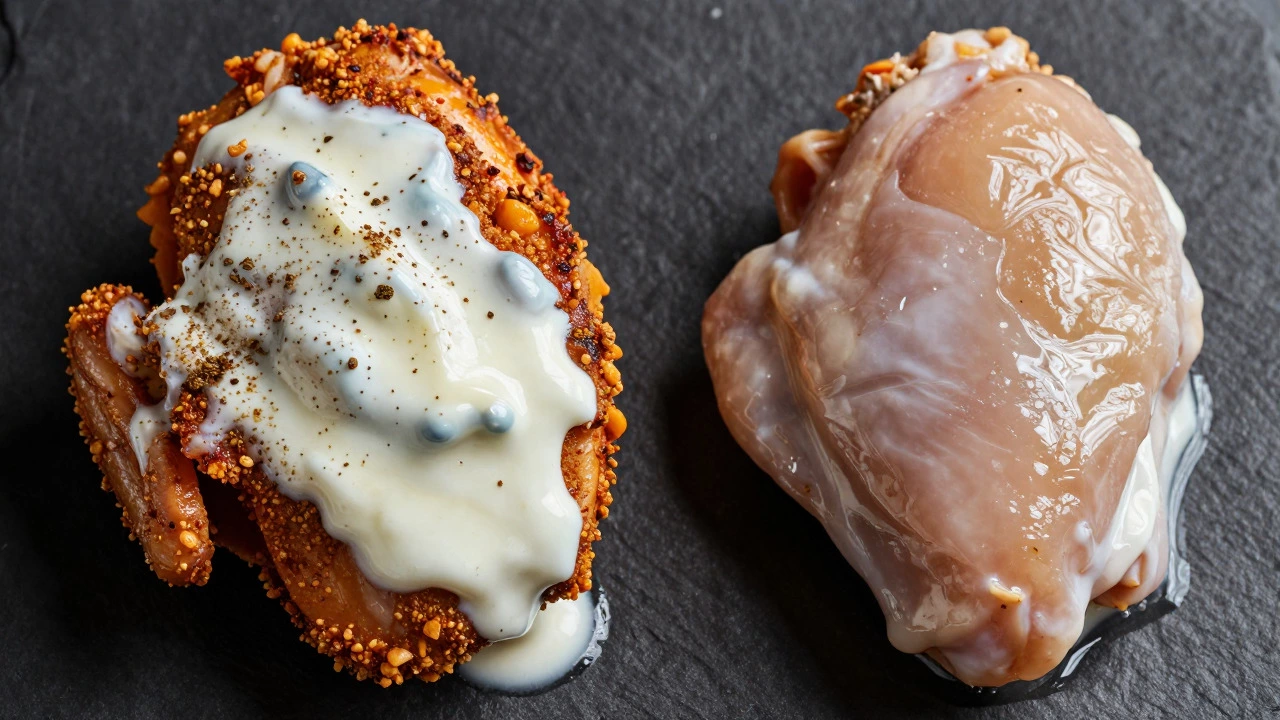
- The Maillard Reaction: The lactose (milk sugar) in yogurt caramelizes beautifully under high heat. This creates the brown, crispy exterior that defines good tandoori. Buttermilk, being lower in solids, doesn’t caramelize as effectively, leading to paler, softer skin.
When I make tandoori chicken for guests, I always use yogurt. I prefer a blend of Greek yogurt for thickness and regular plain yogurt for tanginess. The result is a piece of chicken that has a distinct crust but remains moist underneath. The spice paste clings to the meat, creating layers of flavor that buttermilk simply cannot replicate.
Buttermilk: The Juiciness Champion
Now, let’s talk about buttermilk. In Southern US cooking, buttermilk is the gold standard for fried chicken. Why? Because it creates a batter-friendly environment and keeps white meat incredibly juicy. While tandoori isn’t fried, the principles of moisture retention still apply.
Buttermilk is thinner, which means it seeps deeper into the muscle fibers of the chicken. If you are using lean cuts like boneless, skinless chicken breasts, buttermilk can prevent them from drying out during long cooks. It adds a bright, sharp tang that cuts through heavy spice blends. Some people find yogurt too creamy or rich; buttermilk offers a lighter, cleaner sour note.
However, buttermilk has a major drawback for tandoori-style cooking: it slides off. Because it lacks viscosity, it’s hard to get a thick coating of spices to stick to the chicken unless you add extra thickeners like cornstarch or flour. Without that coating, you lose the signature spice crust. Plus, because it’s mostly water, it steams the chicken surface rather than roasting it, which can inhibit browning.
Head-to-Head Comparison
To help you decide, let’s look at how they perform across key metrics for a home cook trying to replicate restaurant-quality tandoori chicken.
| Feature | Full-Fat Yogurt | Cultured Buttermilk |
|---|---|---|
| Tenderizing Power | Moderate, slow, even | High, fast, penetrating |
| Flavor Profile | Creamy, rich, mild tang | Sharp, bright, acidic |
| Browning/Crust | Excellent (caramelizes well) | Poor (steams instead of browns) |
| Spice Adhesion | High (sticks to meat) | Low (runs off easily) |
| Best For | Roasting, grilling, tandoori | Frying, braising, quick marinate |
The Hybrid Approach: Best of Both Worlds?
You don’t always have to choose just one. Many professional chefs use a hybrid method to get the tenderness of buttermilk and the crust of yogurt. Here is how I do it:
- Start with Buttermilk: Marinate the chicken in buttermilk for 30 minutes to an hour. This quickly tenderizes the meat and infuses it with tanginess.
- Rinse and Pat Dry: Remove the chicken from the buttermilk and pat it dry with paper towels. This removes excess moisture that would steam the skin later.
- Apply Yogurt Paste: Mix a thick yogurt base with your spices, ginger-garlic paste, and lemon juice. Coat the chicken thoroughly in this paste.
- Rest Again: Let the yogurt-coated chicken rest for another 2-4 hours (or overnight). This builds the flavor layer and prepares the surface for browning.
This technique gives you the internal juiciness of buttermilk with the external crunch and color of yogurt. It takes a bit more effort, but for a special dinner, it is worth it.
Common Mistakes to Avoid
Even with the right dairy, you can ruin your marinade. Here are the pitfalls I see most often:
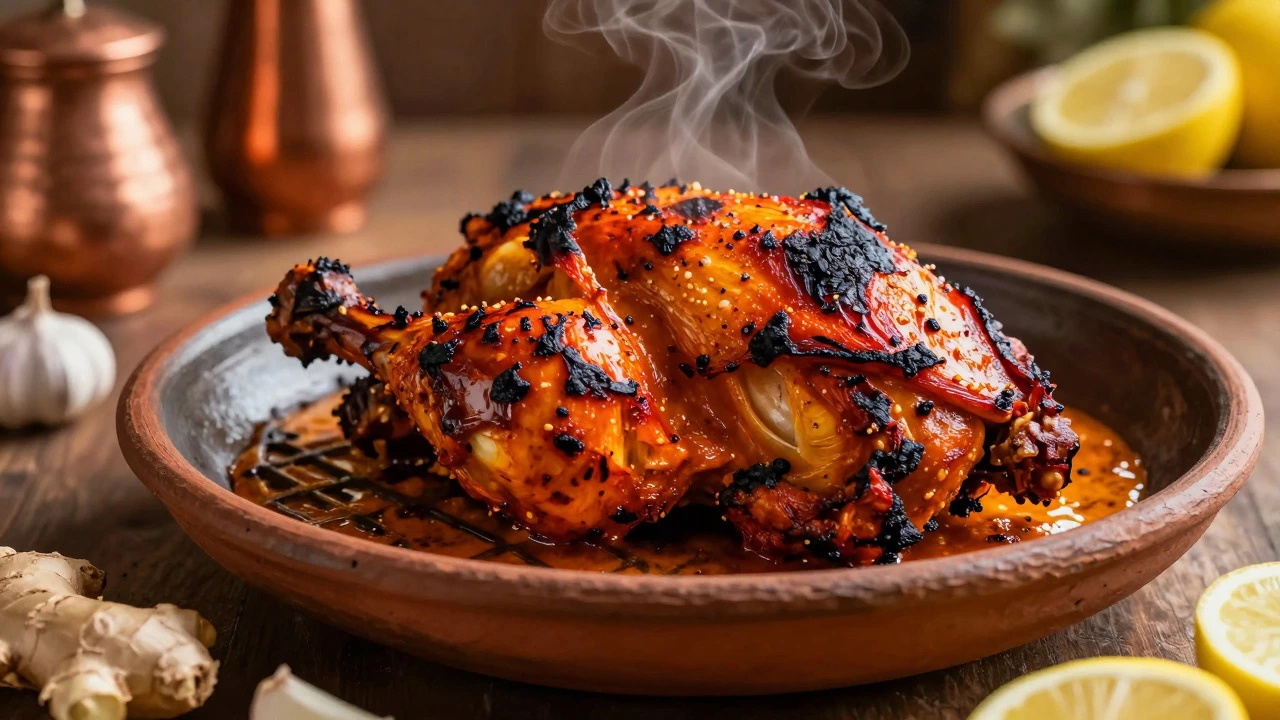
- Using Sweetened Yogurt: Never use vanilla or fruit-flavored yogurt. The sugar burns at temperatures above 350°F (175°C), leaving you with bitter, blackened spots before the chicken is cooked through.
- Over-Marinating: Yogurt is gentle, but it’s not infinite. Marinating chicken in acidic dairy for more than 24 hours can start to break down the proteins too much, giving the meat a mealy, cotton-like texture. Stick to 4-12 hours for best results.
- Ignoring Fat Content: Skim milk yogurt or buttermilk lacks the fat needed to carry flavor and protect the meat. Always opt for full-fat versions if possible. If you must use low-fat, add a tablespoon of oil or ghee to the marinade to compensate.
- Skip the Acid Boost: Yogurt and buttermilk are acidic, but adding a squeeze of fresh lemon juice or vinegar boosts the pH drop, enhancing both flavor and tenderization. Just don’t overdo it, or you’ll curdle the dairy.
How to Choose Based on Your Cut
The cut of chicken matters just as much as the marinade. Different parts of the bird respond differently to acid.
Chicken Thighs and Drumsticks: These cuts have higher fat content and connective tissue. They can handle longer marination times and benefit greatly from yogurt’s thick coating. The fat in the meat complements the creaminess of the yogurt. Use yogurt here for the best tandoori experience.
Chicken Breasts: Lean and prone to drying out. Buttermilk’s ability to penetrate deeply helps keep the fibers moist. However, because breasts cook fast, you don’t need a heavy crust. A thin buttermilk soak followed by a light yogurt-spice glaze works perfectly.
Whole Chicken: For a whole bird, you want even cooking and browning. Yogurt applied under the skin and on the outside ensures the breast meat stays juicy while the legs get tender. The yogurt also helps the skin crisp up evenly in the oven or grill.
Final Verdict for Your Kitchen
If you are making tandoori chicken, stick with full-fat plain yogurt. It provides the structural integrity for the spice paste, the fat for richness, and the sugars for that beautiful char. It is the traditional choice for a reason.
If you are making fried chicken, Korean gochujang chicken, or any dish where you want maximum juiciness with a lighter sauce, go with buttermilk. It’s faster, sharper, and keeps white meat succulent.
Experiment with both. Taste the difference. Once you know how each behaves, you’ll stop guessing and start crafting marinades with intention. Happy cooking!
Can I use Greek yogurt instead of regular yogurt for tandoori chicken?
Yes, Greek yogurt is excellent for tandoori chicken because it is thicker and has less whey. This means the marinade sticks better to the chicken and doesn't drip off during cooking. However, Greek yogurt can be less tangy than regular yogurt. To compensate, add a little extra lemon juice or vinegar to boost the acidity and flavor.
How long should I marinate chicken in yogurt?
For optimal tenderness without mushiness, marinate chicken in yogurt for at least 4 hours, preferably overnight (up to 12 hours). Shorter times (30 minutes to 2 hours) work for quick meals but won't penetrate as deeply. Avoid marinating for more than 24 hours, as the acid can break down the proteins too much, resulting in a chalky texture.
Why does my tandoori chicken turn gray instead of red/orange?
The vibrant color comes from spices like Kashmiri chili powder or paprika, not the dairy itself. However, yogurt helps caramelize these spices due to its lactose content. If your chicken is gray, you might be using buttermilk (which doesn't caramelize well) or cooking at too low a temperature. Ensure you use full-fat yogurt and roast or grill at high heat (400°F+/200°C+) to achieve the proper char and color.
Is buttermilk better for tenderizing chicken than yogurt?
Buttermilk is a more aggressive tenderizer because it is thinner and allows acid to penetrate muscle fibers faster. This makes it great for lean cuts like chicken breast. Yogurt tenderizes more slowly and gently due to its fat and protein content, which protects the meat from breaking down too quickly. Choose based on your desired texture and cooking time.
Can I substitute buttermilk with yogurt and water?
Yes, you can mimic buttermilk by mixing plain yogurt with water or milk until it reaches a pourable consistency. Add a splash of lemon juice or vinegar to enhance the tang. This mixture works well for marinades where you want the flavor of yogurt but the liquidity of buttermilk, though it may not adhere to spices as well as pure yogurt.