Best Wood for Sofas in India: A Guide to Durable Furniture
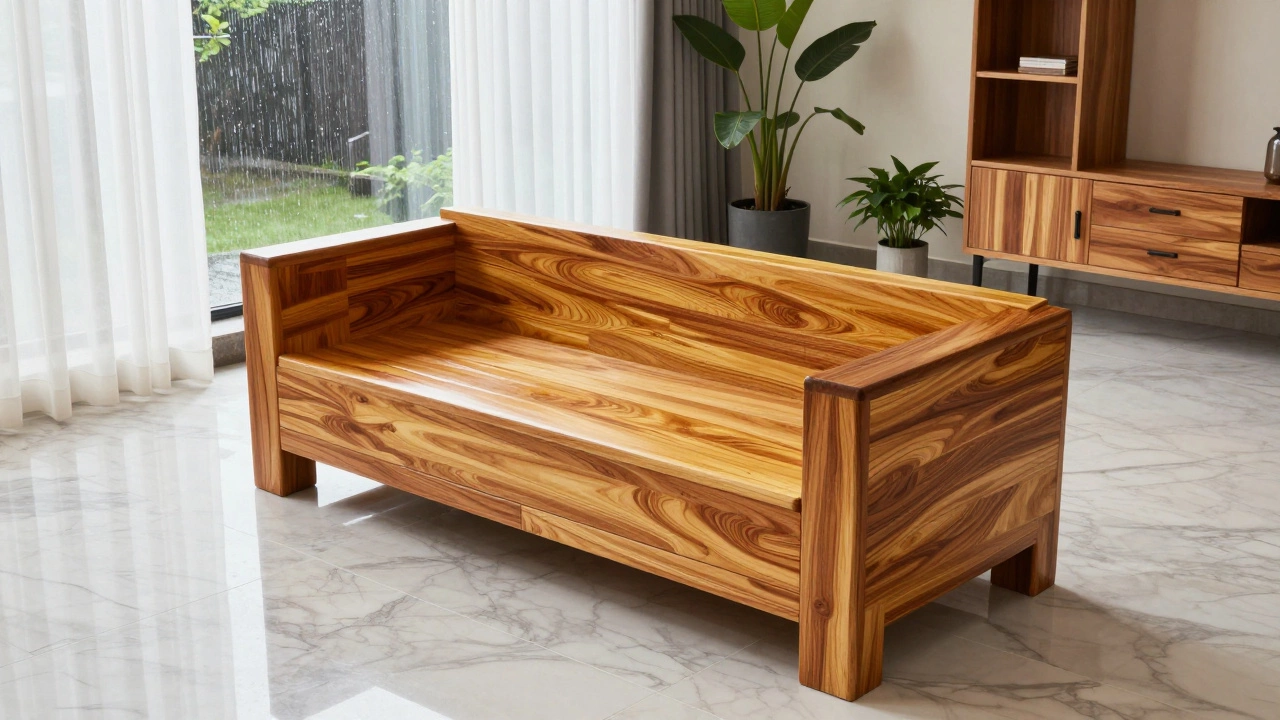
Sofa Wood Selection Guide
Not sure which wood to choose? Select the attributes that matter most to you to find the ideal match for your home.
1. Your Primary Priority:
2. Your Living Environment:
Wood Type
Key Takeaways for Your Wood Choice:
- Teak is the gold standard for luxury and weather resistance.
- Sheesham is the best balance of beauty and budget.
- Mango wood is great for a modern, rustic look but requires more care.
- Plywood/MDF is cheap but rarely lasts more than 5-7 years in humid climates.
The Heavyweight Champion: Teak Wood
When people talk about "forever furniture," they usually mean Teak Wood is a dense, oily hardwood native to South Asia known for its exceptional durability and natural resistance to decay. Also known as Tectona grandis, it is the most prized timber for high-end sofas in India.
What makes Teak special is its natural oil content. This oil acts as a built-in waterproof shield, meaning the wood doesn't swell or shrink nearly as much as other types when the humidity spikes in Mumbai or Chennai. It's also naturally repellent to pests. If you have the budget, Teak is the safest bet because it doesn't require heavy chemical treatments to stay termite-free. A well-made Teak sofa frame can easily last 50 years if you just keep it dusted and occasionally polished.
The Popular Choice: Sheesham Wood
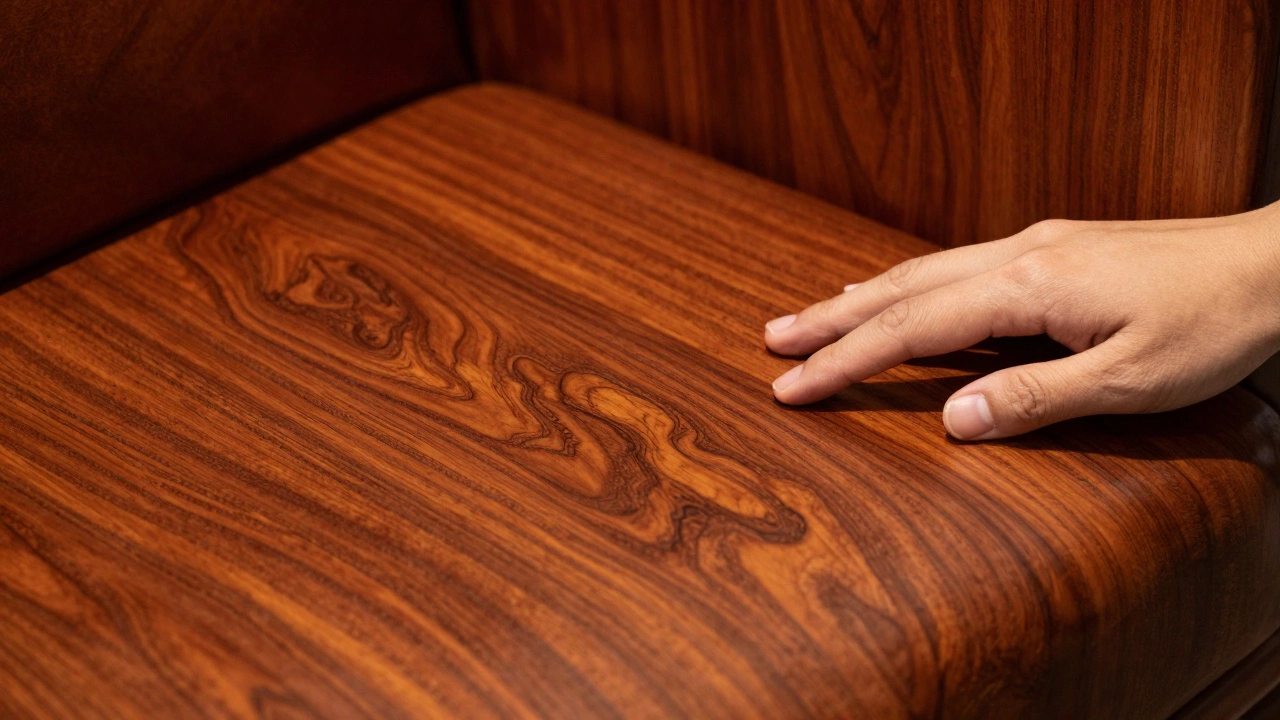
If Teak is the luxury sedan, Sheesham Wood is the reliable, stylish SUV. also known as Indian Rosewood, it is a hardy timber with a distinct, beautiful grain and a reddish-brown hue. It's a staple for furniture manufacturers across North India.
Sheesham is incredibly strong and heavy, which is exactly what you want for a sofa that will be jumped on by kids or used for afternoon naps. The grain is more "active" and dramatic than Teak, giving the furniture a more artistic, handcrafted feel. While it's not quite as naturally oily as Teak, it's still very resistant to decay. The main thing to watch out for is the quality of the seasoning. If the Sheesham isn't properly dried, it can develop small cracks over time. Always ask your manufacturer if the wood has been kiln-dried.
The Eco-Friendly Alternative: Mango Wood
For those who want a more contemporary, "Boho" vibe, Mango Wood is a sustainable hardwood sourced from mango trees that have passed their fruit-bearing age. It is widely used in export-quality furniture and modern Indian homes.
Mango wood is softer than Teak or Sheesham, which means it's easier to carve and shape into those trendy, curved sofa legs you see on Instagram. It has a lighter, more varied color palette, ranging from pale yellow to deep brown. However, because it is softer, it is more prone to scratches and dents. More importantly, it doesn't have the natural pest resistance of Teak. If you go with Mango wood, ensure the manufacturer has treated it with an anti-termite solution, or you might find your sofa becoming a colony for pests within a few years.
Comparing the Top Wood Options
Choosing between these can be tough. To make it easier, here is how they stack up against each other in real-world Indian conditions.
| Feature | Teak Wood | Sheesham Wood | Mango Wood | Engineered Wood (MDF/Ply) |
|---|---|---|---|---|
| Durability | Excellent | Very High | Moderate | Low |
| Termite Resistance | Natural | High | Needs Treatment | Poor |
| Price Point | Premium | Mid-Range | Budget-Friendly | Very Cheap |
| Weight | Heavy | Very Heavy | Medium | Light/Medium |
| Lifespan | 50+ Years | 20-40 Years | 10-15 Years | 3-7 Years |
The Trap of Engineered Wood
You'll see many "affordable" sofas online made from Engineered Wood, which includes MDF (Medium Density Fiberboard) and Particle Board. these are man-made materials created by binding wood fibers or chips with resin and glue under pressure.
Here is the truth: these are not "woods." They are composites. In the dry heat of Rajasthan, they might be okay for a while. But in the humid air of Kerala or West Bengal, the glue begins to fail. Once water seeps into an MDF joint, the wood swells like a sponge and loses its structural integrity. You cannot sand or repair engineered wood; once it's warped, it's trash. Only use these if you are furnishing a rental for a year or two and don't care about longevity.
What to Look for When Buying
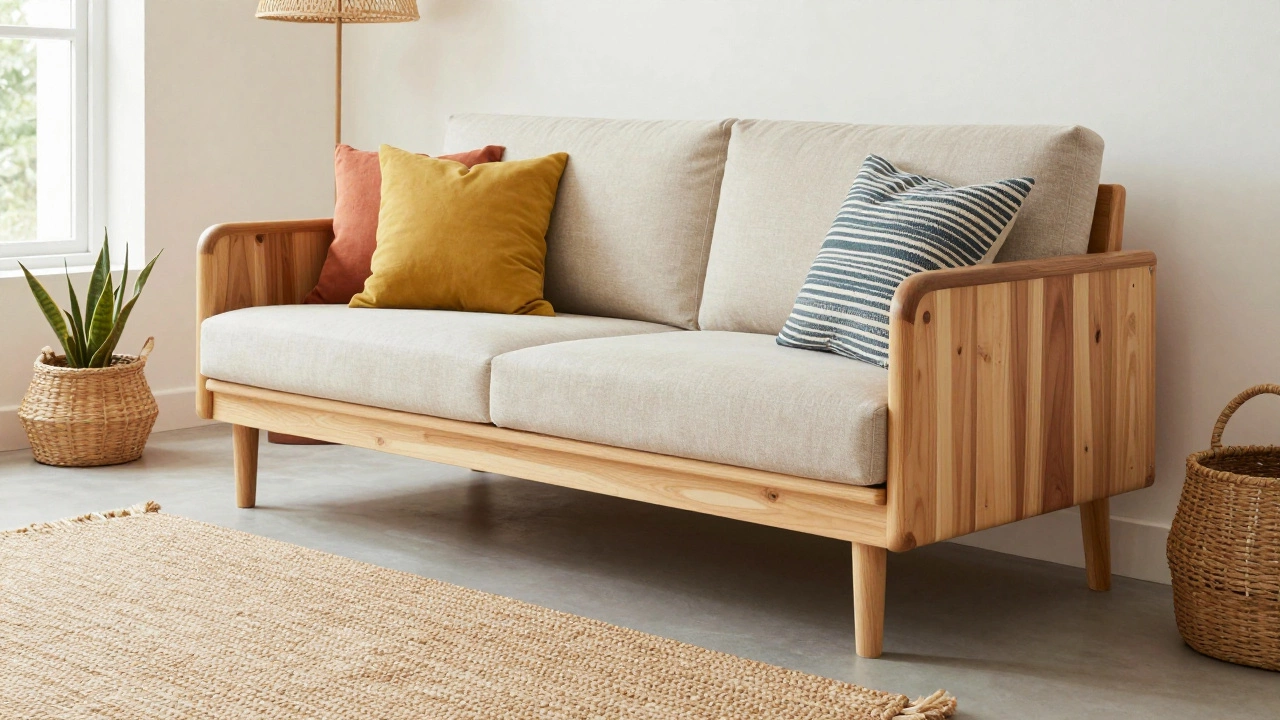
Knowing the wood type is only half the battle. You also need to know if you're getting a quality build. A best wood for sofa choice is wasted if the joinery is poor. Look for "Mortise and Tenon" joints-where one piece of wood fits perfectly into a hole in another-rather than just relying on nails and screws. Screws can pull out of the wood over time as you sit and move on the sofa, but a proper joint remains locked.
Check the "grain match." In high-quality Sheesham or Teak furniture, the grain should flow naturally across the piece. If you see too many patches or filler (putty) used to hide holes, it means the manufacturer used lower-grade cuts of the wood. Also, feel the surface. It should be smooth. If it feels tacky or overly glossy, they might be using a cheap lacquer to hide imperfections in the wood's natural color.
Maintenance Tips for Indian Homes
No matter which wood you choose, the Indian climate is harsh. To keep your sofa looking new, avoid placing it directly under a window where it gets harsh afternoon sunlight; the UV rays will bleach the natural oils and fade the color of Teak and Sheesham. Instead, use sheer curtains to filter the light.
During the monsoon, avoid using wet cloths to clean your furniture. Use a microfiber cloth and a mild wood polish. If you notice a dullness in the wood, a light application of beeswax or a specialized wood oil can bring back the luster and add an extra layer of protection against moisture. For Mango wood, a yearly polish is almost mandatory to prevent the softer fibers from absorbing ambient moisture.
Is Sheesham wood better than Teak for a living room sofa?
It depends on your priority. If you want absolute longevity and have a high budget, Teak is better because of its natural oils and pest resistance. However, Sheesham is often preferred for living rooms because it's more affordable, incredibly strong, and has a more dramatic grain pattern that looks great in modern Indian interiors.
Can Mango wood sofas survive termites in India?
Yes, but only if they are treated. Unlike Teak, Mango wood does not have natural chemicals to repel termites. You must ensure the furniture has been treated with a termiticidal solution during the seasoning process. If you buy untreated Mango wood, it is highly susceptible to infestations in ground-floor homes.
Why is Teak wood so expensive in India?
Teak takes much longer to grow and mature than Mango or Sheesham. Because of its extreme durability and high demand globally for shipbuilding and luxury furniture, the supply is limited. You are paying for the density of the wood and the fact that it virtually never rots.
What is the lifespan of a plywood sofa frame?
Typically, a plywood or engineered wood frame lasts between 3 to 7 years. While the exterior fabric might look new, the internal structure often sags or the joints loosen because the glue degrades over time, especially in humid coastal regions.
How can I tell if a sofa is actually made of solid Teak?
Check the end grain (the cut end of the wood). Solid Teak has a consistent, dense grain. If you see layers or a "sandwich" look, it's plywood with a Teak veneer. Also, Teak has a distinct, slightly sweet woody smell and feels slightly oily to the touch compared to other woods.
Next Steps for Your Purchase
If you're still undecided, start by assessing your environment. If you live in a high-humidity area like Mumbai or Kolkata, lean heavily toward Teak. If you're in a drier climate like Delhi or Jaipur, Sheesham is a fantastic and more cost-effective option. If you're on a tight budget but want a "real wood" feel, Mango wood is your best bet, provided you verify the anti-termite treatment.
Before signing the check, always ask for a warranty on the wood itself, not just the fabric. A reputable manufacturer will give you a 5-to-10-year warranty against warping or termite infestation for solid hardwoods. If they only offer a 1-year warranty, they are likely using low-grade timber or engineered wood disguised as solid wood.