7 Common Biryani Mistakes (And How to Fix Them for Perfect Rice Every Time)
Biryani Mastery Quiz
Quiz Complete!
See how you did.
There is nothing quite like the smell of biryani a layered rice dish originating from the Indian subcontinent, known for its aromatic spices and tender meat or vegetables wafting through your kitchen. But there is also nothing more heartbreaking than opening the lid after hours of slow cooking to find mushy rice, dry meat, or a pot that tastes completely flat. You followed the recipe. You bought the expensive saffron. So why did it fail?
The truth is, biryani is less about following instructions and more about understanding the science of steam, spice, and layering. It is a dish where small errors compound quickly. If you have ever wondered why restaurant biryani always tastes better than your home-cooked version, the answer usually lies in one of these common pitfalls. Let’s look at what goes wrong and how you can fix it.
Using the Wrong Rice Variety
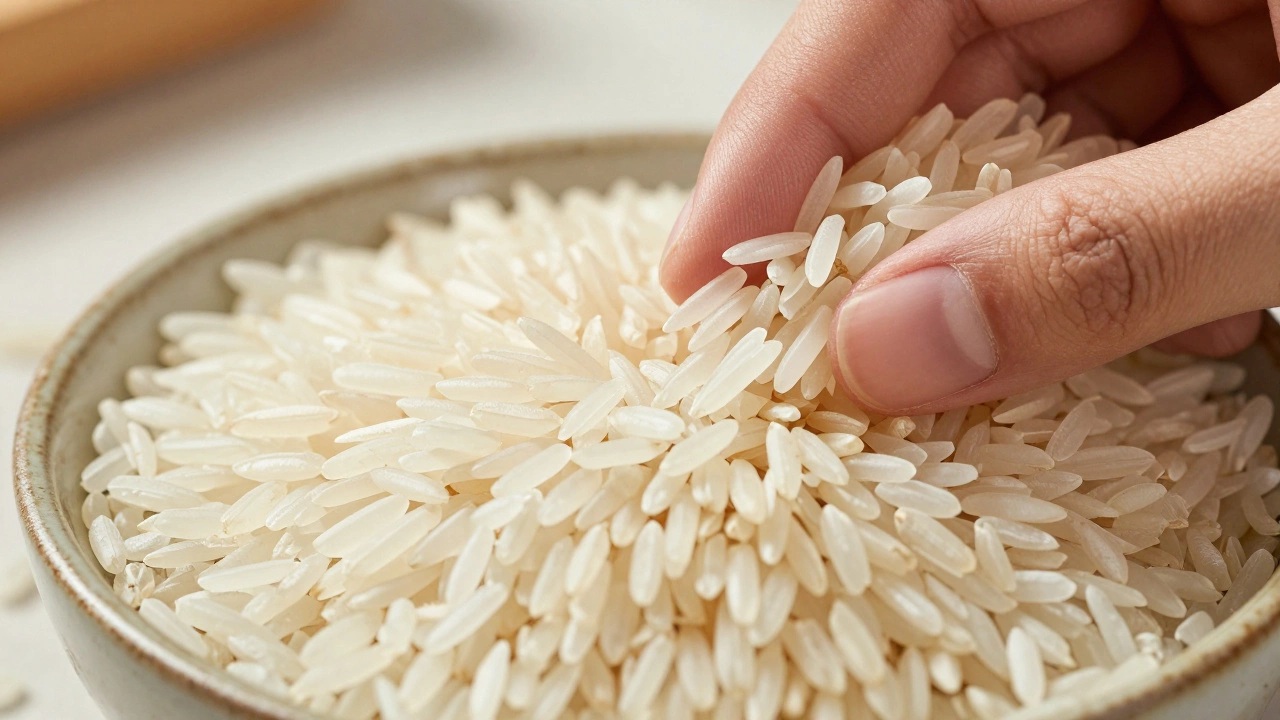
The foundation of any great biryani is the rice. Many home cooks reach for whatever long-grain rice is on sale, but this is often the first mistake. Standard basmati rice varies wildly in quality. You need aged basmati rice. Freshly harvested rice contains too much moisture, which causes it to break during cooking and turn into porridge. Aged rice, stored for at least a year, has lower moisture content, resulting in longer, firmer grains that hold their shape under pressure.
When you buy rice, check the packaging for the harvest year. If it doesn’t say, ask the shopkeeper. In Birmingham, I often find reliable aged basmati at local South Asian grocers rather than standard supermarkets. The grain should be ivory-white, not bright white (which suggests bleaching), and it should snap cleanly when bent. This specific type of rice absorbs water differently, expanding without disintegrating. Using the wrong variety means no amount of careful cooking will save the texture.
Skipping the Soaking Step
Soaking rice might seem like an extra chore, but it is non-negotiable for authentic biryani. When you soak basmati rice for 30 to 45 minutes, you are essentially pre-hydrating the starches. This reduces the cooking time significantly. Why does this matter? Because biryani relies on the 'dum' method, where rice finishes cooking in trapped steam alongside the meat. If the rice isn't partially hydrated, it requires too much water and time to cook fully, leading to either undercooked hard grains or overcooked mushy ones as you try to compensate.
Think of soaking as equalizing the playing field. It ensures that every grain swells at the same rate. After soaking, drain the rice thoroughly. If you leave excess water clinging to the grains, you throw off the delicate water-to-rice ratio required for the final cooking stage. Always measure your soaked rice by volume, not weight, as the density changes after hydration.
Overcooking the Meat Masala
In many recipes, the meat is cooked until it falls apart before being layered with rice. While tender meat is good, falling-apart meat is bad for biryani. The meat needs to retain some structure because it will continue to cook during the dum phase. If you boil the chicken or mutton until it is shredded, it will disintegrate into the gravy, leaving you with a wet, soupy bottom layer instead of distinct layers of rice and meat.
The goal is to cook the masala (the spiced meat mixture) until the oil separates from the gravy. This indicates that the raw smell of the spices and meat has cooked out, but the proteins are still intact. For chicken, this takes about 15-20 minutes. For lamb or goat, it might take 40-60 minutes depending on the cut. Keep the gravy thick. A runny gravy will seep into the rice layer, making it soggy. You want a rich, coating consistency that clings to the meat pieces.
Ignoring the Water Ratio for Parboiling
This is perhaps the most critical technical step. When parboiling the rice (boiling it briefly before layering), you must use plenty of water-like you are cooking pasta. The rice should only be cooked to about 70% doneness. How do you know? Take a grain out and press it between your fingers. It should offer slight resistance but not be hard in the center. If it’s fully soft, you’ve gone too far. If it’s hard, you haven’t gone far enough.
Adding salt to the boiling water is essential, but so is adding a tablespoon of oil or ghee. This coats the grains, preventing them from sticking together and releasing excess surface starch. Drain the rice immediately once it hits that 70% mark. Do not let it sit in the hot water, as residual heat will continue to cook it. Spread the drained rice on a large tray to stop the cooking process and allow excess steam to escape. This prevents condensation from dripping back onto the grains, which would make them wet.
Layering Without Sealing Properly
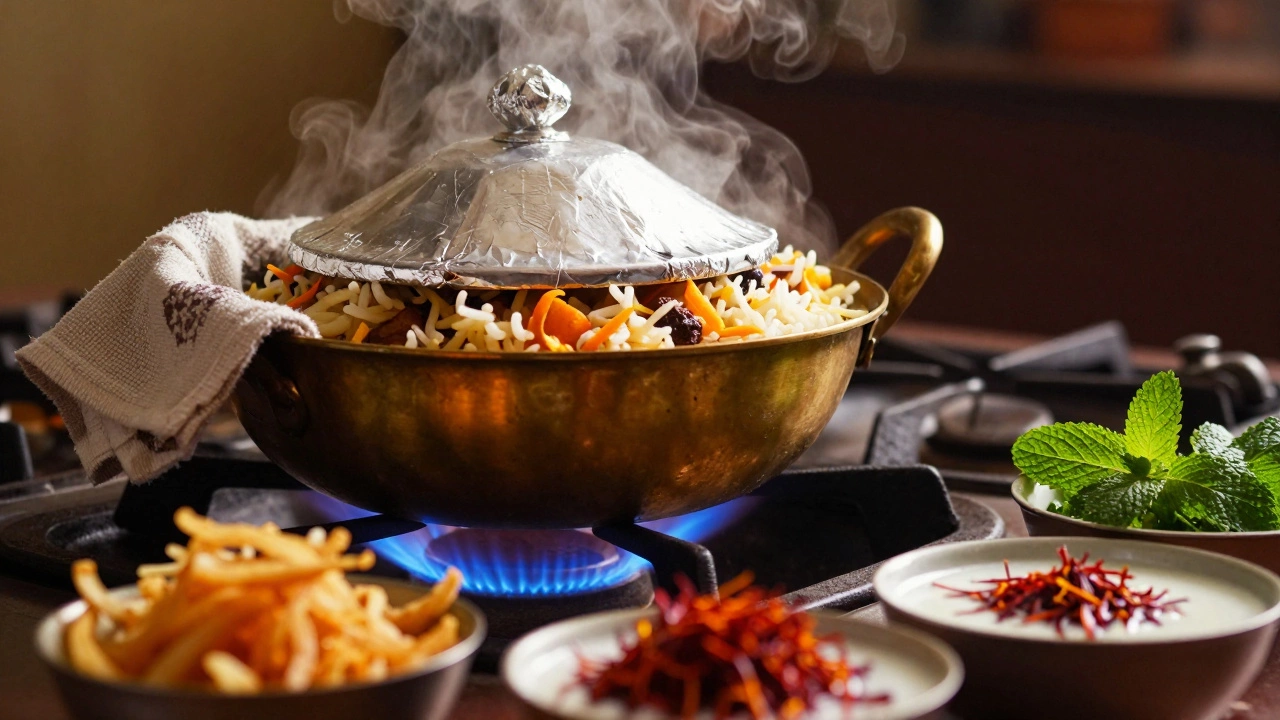
The magic of biryani happens in the 'dum' phase, where the dish is sealed and cooked on low heat. Many people skip the sealing part or do it poorly. If steam escapes, the rice dries out and burns at the bottom. If too much moisture gets trapped without circulation, it becomes soggy. Traditional methods involve sealing the pot rim with dough. At home, you can achieve a similar effect by placing a heavy lid on the pot and wrapping it tightly with aluminum foil or a damp kitchen towel before putting the lid on.
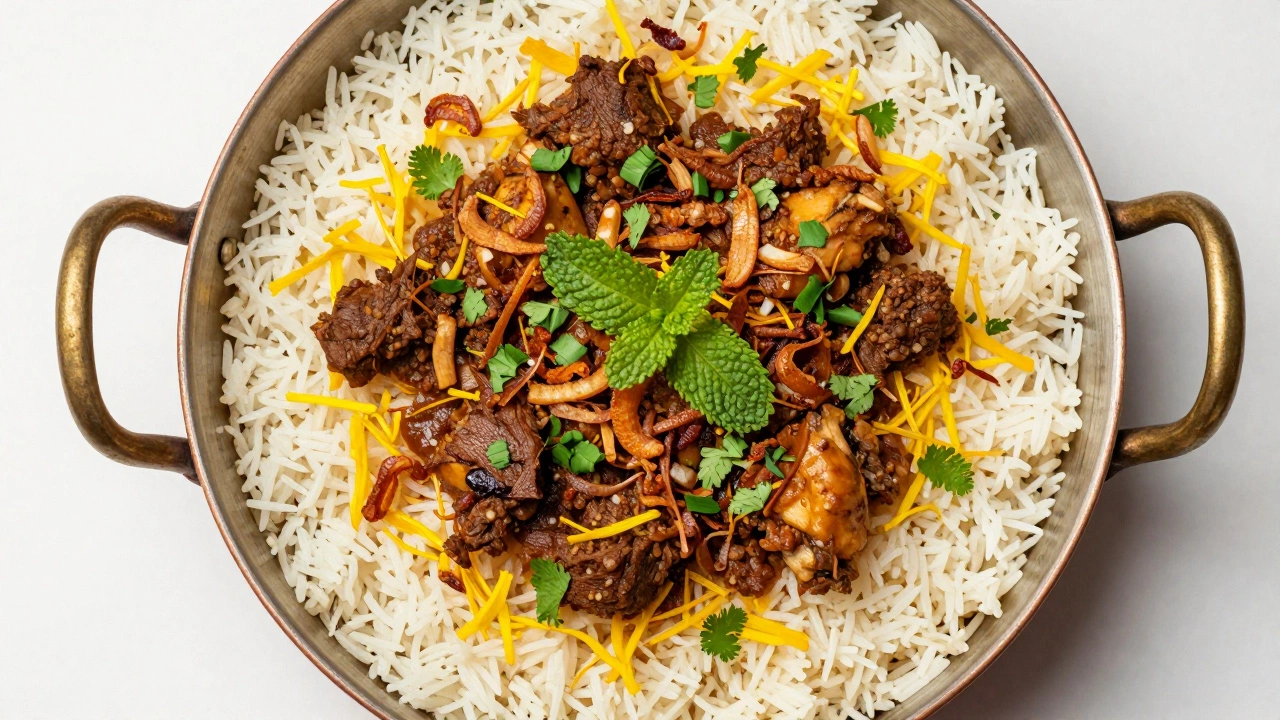
When layering, alternate between the parboiled rice and the meat masala. Start with a thin layer of rice at the bottom to prevent burning. Then add meat, then rice, repeating until all ingredients are used. Finish with a top layer of rice. Sprinkle fried onions, fresh herbs (cilantro and mint), saffron milk, and ghee over the top. These toppings infuse flavor as they steam into the rice below. Do not mix them in yet. The layering creates pockets of flavor and texture that define the dish.
Cooking on High Heat
Patience is the secret ingredient. Once the pot is sealed, place it on the lowest possible flame. High heat will burn the bottom layer of rice before the top layer is fully cooked. This results in the dreaded 'khasta' (crispy burnt layer) if you’re lucky, or charcoal if you’re not. Cooking on low heat allows the steam to circulate evenly, gently finishing the cooking of the rice and melding the flavors of the meat and spices together.
For a standard 5-liter pot, this process takes about 20-30 minutes on low heat. Do not lift the lid to check. Every time you open the pot, you release valuable steam and drop the temperature. Trust the process. If you hear a gentle sizzling sound, it means the moisture is evaporating correctly. If you hear a loud crackling, the heat is too high. Adjust accordingly. Some chefs place a tawa (griddle) under the pot to distribute heat evenly and prevent hot spots.
Mixing Too Early or Too Vigorously
After the dum is complete, resist the urge to dive in immediately. Let the pot rest for 10-15 minutes after turning off the heat. This allows the steam to settle and the rice to firm up slightly. When you finally open the lid, you should see distinct layers. Use a fork or a wide spoon to gently fluff the rice, mixing the layers from the bottom up. Be gentle. Rough stirring will break the grains and turn your beautiful biryani into a mess.
You want to incorporate the flavorful bottom layer with the fluffy top layer, but maintain the integrity of the grains. Serve immediately while hot. Biryani tastes best when fresh, though leftovers can be reheated with a splash of water to restore moisture. Avoid microwaving, as it heats unevenly and makes the rice rubbery. Reheat on the stovetop with a lid on low heat for the best results.
| Mistake | Consequence | Correct Technique |
|---|---|---|
| Fresh Basmati Rice | Mushy, broken grains | Use aged basmati (1+ years old) |
| No Soaking | Uneven cooking, hard centers | Soak 30-45 mins, drain well |
| Runny Gravy | Soggy rice layer | Cook masala until oil separates, thick consistency |
| Overcooked Parboil | Disintegrated rice | Cook to 70% doneness, drain immediately |
| High Heat Dum | Burnt bottom, uncooked top | Lowest flame, sealed pot, 20-30 mins |
| Rough Mixing | Broken grains, messy texture | Gentle fluffing with fork after resting |
Choosing the Right Spices
Biryani is defined by its aroma. If your biryani lacks depth, it’s likely due to stale or insufficient spices. Whole spices like cardamom, cloves, cinnamon, and bay leaves should be toasted lightly in oil before adding the meat. This releases their essential oils. Ground spices like turmeric, red chili powder, and coriander powder should be added later to avoid burning. Saffron is the crown jewel; steep it in warm milk or water for 10 minutes before drizzling over the top layer. Cheap saffron threads often contain dye and lack fragrance. Look for deep red threads with yellow tips.
Don’t forget the importance of fried onions ('birista'). They add sweetness, crunch, and color. Fry sliced onions slowly in oil until golden brown and crispy. Drain on paper towels. Half go into the masala, half go on top of the rice layer. This dual placement ensures flavor throughout the dish. Fresh herbs like mint and cilantro are also crucial. Chop them finely and sprinkle generously. They cut through the richness of the meat and oil.
Understanding Regional Variations
Biryani is not a monolith. Hyderabadi biryani is spicy and uses short-grain 'kachi ghali' rice cooked raw with meat. Lucknowi biryani is milder, uses long-grain basmati, and focuses on the aroma of saffron and rose water. Kolkata biryani includes potatoes and boiled eggs, a legacy of British colonial times. Knowing which style you are attempting helps set expectations. If you are following a Hyderabadi recipe but using basmati rice, adjust the water ratio accordingly. Each style has its own logic. Stick to one tradition per attempt to master the basics before experimenting.
Why is my biryani rice sticky?
Sticky rice usually results from using fresh rice instead of aged basmati, skipping the soaking step, or using too little water during parboiling which forces the rice to absorb excess moisture during the dum phase. Ensure you rinse the rice until the water runs clear to remove surface starch.
Can I make biryani in a pressure cooker?
Yes, but it changes the texture. Pressure cooking speeds up the process but can make the rice softer and less distinct. If using a pressure cooker, reduce the water amount and cooking time. Seal the cooker with dough or foil if possible to mimic the dum effect, though traditional handi pots yield superior results.
How do I prevent the bottom layer from burning?
Place a heavy-bottomed pot on a heat diffuser or a tawa (griddle) to distribute heat evenly. Cook on the lowest possible flame. Adding a thin layer of rice mixed with a little ghee at the very bottom can also act as a protective barrier against direct heat.
What is the ideal water-to-rice ratio for parboiling?
For parboiling, use plenty of water-about 4 to 5 cups of water for every 1 cup of rice. You are not absorbing all the water; you are boiling the rice like pasta. The key is timing, not ratio. Cook until 70% done, then drain immediately.
Should I marinate the meat overnight?
Yes, marinating meat (especially chicken or lamb) for at least 2 hours, preferably overnight, in yogurt, ginger-garlic paste, and spices allows the acids and enzymes to tenderize the meat and infuse flavor deeply. This results in a more succulent and flavorful biryani.